









For decades, the prevailing mantra in nutrition and weight management has been simple: "A calorie is a calorie." The assumption has long been that as long as an individual achieves a caloric deficit, the resulting weight loss will inevitably lead to improved health outcomes. However, a landmark clinical trial conducted by researchers at the Washington University School of Medicine in St. Louis is challenging this long-held dogma, suggesting that the composition of our food may be just as important—if not more so—than the number of pounds on the scale.
The study, published in the prestigious journal Cell Metabolism, reveals that while three popular dietary approaches—ketogenic, Mediterranean, and low-fat—all successfully facilitated weight loss, their impact on internal metabolic health differed drastically. Specifically, the ketogenic diet emerged as a potent therapeutic tool for reversing liver fat accumulation and prediabetes, operating through biological pathways that appear independent of simple weight reduction.
The Metabolic Puzzle: Defining the Scope
To understand the significance of these findings, one must look at the current state of public health. In the United States, approximately 40% of the adult population lives with obesity. This condition is not merely a cosmetic concern; it is a primary driver of a cluster of metabolic disorders, including type 2 diabetes, non-alcoholic fatty liver disease (NAFLD), and cardiovascular complications.
Metabolic health refers to the body’s efficiency in processing energy, regulating blood glucose levels, and managing fat storage. For years, clinicians have prescribed general weight loss as the "silver bullet" for these issues. Yet, the research team, led by Samuel Klein and Max Petersen, sought to determine if the macronutrient makeup of a diet—the specific ratios of carbohydrates, fats, and proteins—could exert a "therapeutic fingerprint" that persists regardless of how much weight is lost.
A Controlled Clinical Trial: The Methodology
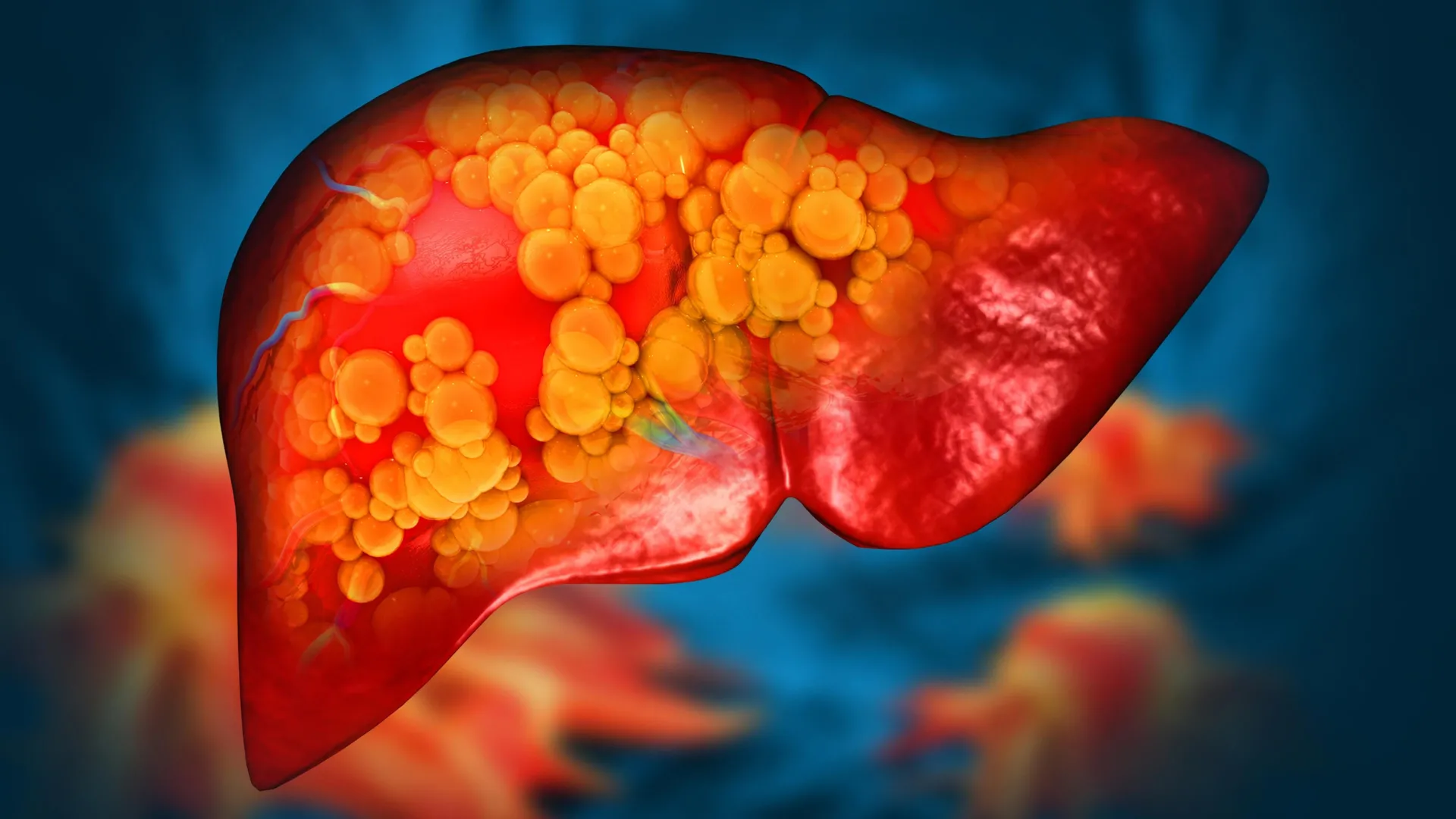
The research team recruited 42 adult participants, all of whom presented with a trifecta of health challenges: obesity, prediabetes, and fatty liver disease. Prediabetes, characterized by blood sugar levels that are elevated but not yet at the threshold of type 2 diabetes, serves as a critical "red flag" for future systemic illness. Fatty liver disease involves the pathological accumulation of fat cells within the liver, which inhibits the organ’s ability to function as the body’s primary metabolic engine.
To ensure absolute precision, the study employed a rigorous, controlled design. Unlike many nutrition studies that rely on self-reporting—a notoriously unreliable method—this trial provided all meals to the participants. Furthermore, they were supported by weekly consultations with professional dietitians to ensure strict adherence.
The participants were randomly assigned to one of three dietary protocols:
- The Ketogenic Diet: A very-low-carbohydrate, high-fat regimen where carbohydrates accounted for only 4% of daily calories, while fat intake soared to 73%.
- The Mediterranean Diet: A balanced approach with 50% carbohydrates and 35% fat, focusing on whole grains, olive oil, nuts, and lean proteins.
- The Low-Fat, Plant-Forward Diet: A high-carbohydrate, low-fat regimen where carbohydrates comprised 70% of calories and fat was limited to just 15%.
The researchers meticulously adjusted calorie intake for every individual participant, ensuring that everyone reached the same goal: a 10% reduction in their starting body weight. This target was achieved across all groups over a period of four to five months, providing a level playing field to measure the metabolic effects of the food itself rather than the effects of the weight loss.
Chronology of Findings: From Baseline to Breakthrough
The study followed a clear trajectory. At the outset, all participants shared similar metabolic profiles. By the end of the four-to-five-month intervention, every group had successfully lost weight and showed improvements in insulin sensitivity—the body’s ability to move glucose out of the bloodstream and into cells. However, as the data was analyzed, the paths of the three groups began to diverge sharply.
The Liver Fat Superiority
The most significant divergence occurred in the liver. While all three diets reduced liver fat, the ketogenic diet outperformed its counterparts by a wide margin. Participants in the keto group saw a 67% reduction in liver fat, compared to 45% in the Mediterranean and low-fat cohorts.
This 22-percentage-point difference is statistically significant and indicates that carbohydrate restriction triggers biological mechanisms that go beyond simple weight reduction. When carbohydrates are restricted, the body shifts from burning glucose to burning stored fat for fuel. This metabolic shift appears to prioritize the clearing of fat from the liver, a process that is less efficient in diets that maintain high carbohydrate intake.
The Hormone Response
To understand why this occurred, the researchers performed blood analysis over 24-hour cycles. They observed a distinct hormonal response in the keto group:
- Increased Glucagon: This hormone, which is often suppressed by high-carb diets, was significantly elevated in the keto group. Glucagon plays a vital role in mobilizing stored fats and regulating energy supply, essentially signaling the liver to "burn off" its fat stores.
- Decreased Insulin: The keto participants experienced the most significant drop in systemic insulin levels. Since insulin is a fat-storage hormone, its reduction creates an environment where the body is primed to mobilize and oxidize fat rather than sequester it.
The Cholesterol Paradox
Perhaps the most surprising finding, according to lead researcher Max Petersen, was the lipid profile of the keto participants. Conventional wisdom suggests that a diet deriving 73% of its calories from fat—including saturated fats from animal sources—would spike blood cholesterol and triglyceride levels. Yet, the study found that participants on the keto diet did not experience any increase in blood fat or cholesterol. This suggests that in the context of a very low-carbohydrate intake, the body processes dietary fat differently than when it is consumed alongside high amounts of carbohydrates.
Clinical Implications: Reversing Prediabetes
Perhaps the most compelling outcome for the average patient was the remission of prediabetes. After the intervention, half of the participants on the ketogenic diet no longer met the clinical criteria for prediabetes. In contrast, only 29% of the Mediterranean group and a mere 7% of the low-fat group achieved the same result.
These numbers carry profound implications for the prevention of type 2 diabetes. While the study does not claim that the condition is permanently "cured," moving blood sugar levels back into a healthy range represents a massive reduction in the risk of long-term health complications.
Official Responses and Expert Perspective
The researchers are quick to place these findings in the context of the modern medical landscape. The advent of GLP-1 receptor agonists—a class of medications that includes semaglutide and tirzepatide—has fundamentally changed the treatment of obesity. These drugs are incredibly effective at inducing weight loss, which in turn improves metabolic health.
"GLP-1-based medications have revolutionized the therapy of obesity," says Max Petersen. "We now have a very effective pharmacotherapy for achieving significant weight loss. But in addition, our study shows that the specific composition of the diet can give you added benefits."
Samuel Klein adds that the findings provide a necessary nuance to clinical practice. "Our data suggest that if you have high liver fat content and prediabetes, reducing carbohydrate intake can have important therapeutic effects on metabolism beyond just weight loss alone."
Future Directions and Limitations
While the results are promising, the research team remains appropriately cautious. The study was relatively small (42 participants) and short-term (four to five months). Questions remain regarding the long-term sustainability of such a strict ketogenic regimen. Adhering to a 4% carbohydrate diet is notoriously difficult in the long run, and researchers are interested in seeing whether these metabolic benefits persist if the diet is relaxed or if a "cycling" approach is adopted.
Furthermore, because the study was highly controlled (with meals provided), it does not account for the challenges of "real-world" dietary adherence, where social, economic, and psychological factors often influence food choices. Larger, longer-term trials will be essential to determine if these metabolic gains can be maintained over years rather than months.
Conclusion: A Shift in Nutritional Paradigms
The findings from Washington University School of Medicine signal a potential shift in how we approach metabolic disease. For years, the focus has been on the quantity of food. This research suggests that in the future, clinical nutrition may need to be as precise as pharmacology, where the quality and composition of macronutrients are tailored to the patient’s specific metabolic markers.
As science continues to explore the intersections of hormones, liver function, and nutrient intake, one thing is becoming increasingly clear: the path to metabolic health is not a one-size-fits-all journey. For individuals struggling with fatty liver and prediabetes, the ketogenic diet may offer a powerful, targeted, and highly effective therapeutic path—one that helps the body heal from the inside out, regardless of what the scale eventually says.