






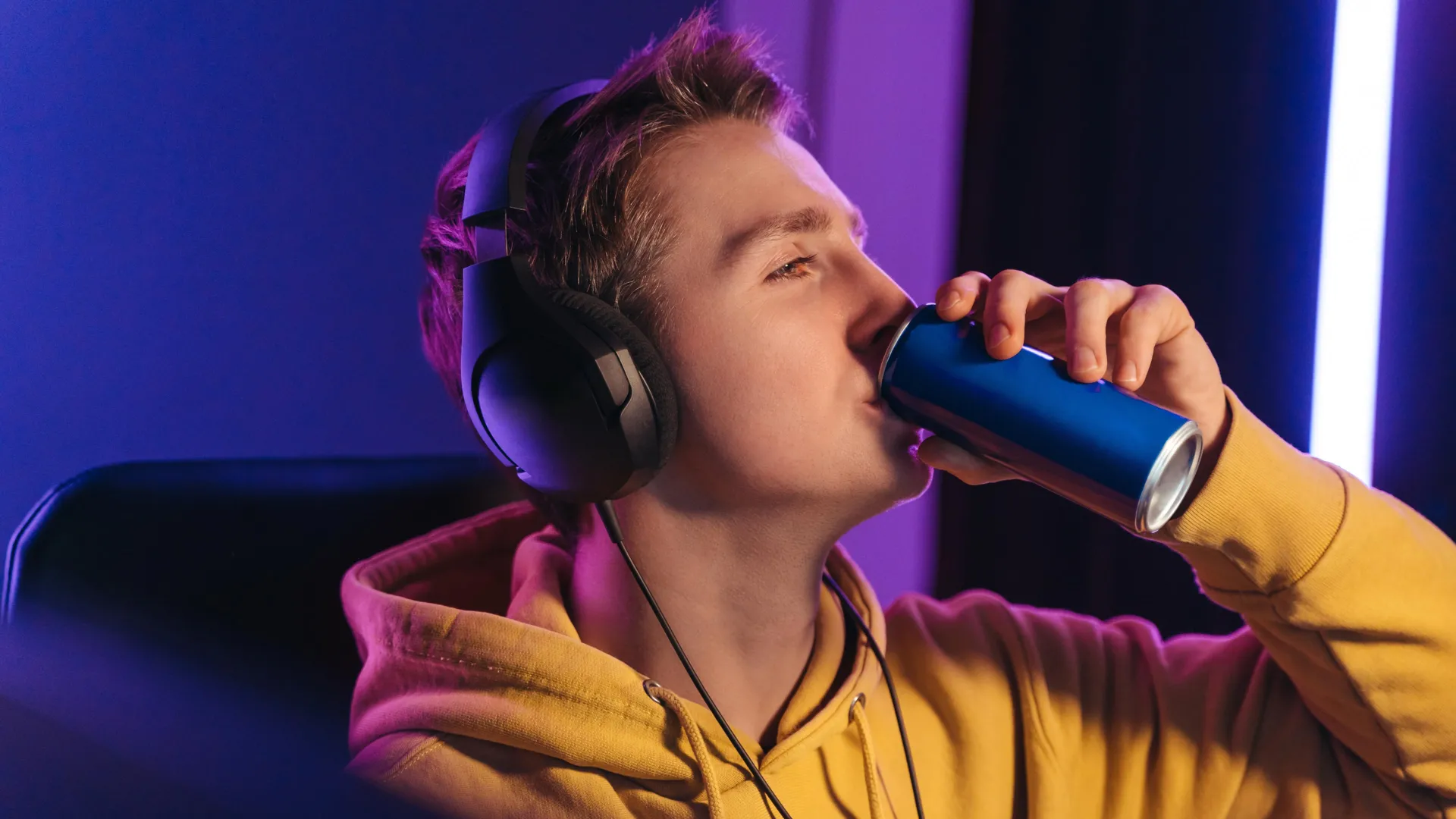
The global explosion of the energy drink and supplement industry has fundamentally altered how modern consumers—particularly younger demographics—manage their daily fatigue and performance. With market valuations exceeding $20 billion as of 2024, these products have become ubiquitous, sitting on grocery shelves alongside bottled water and soft drinks. However, a troubling pattern has surfaced in federal safety data, casting a long shadow over the perceived safety of these high-octane beverages.
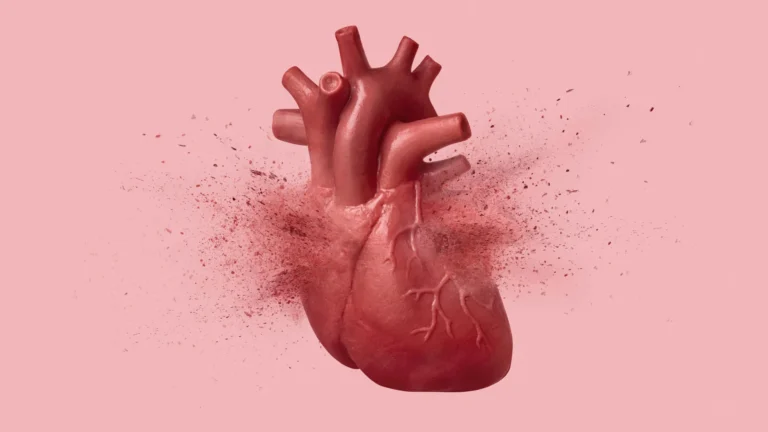
Recent research presented at the American Heart Association’s (AHA) Scientific Sessions 2026 suggests a startling correlation between the consumption of products containing concentrated caffeine and other stimulants and the occurrence of serious cardiovascular emergencies. While the study does not definitively prove causation, the frequency with which these products appear in reports of cardiac arrest and heart attacks has prompted urgent calls for more rigorous scientific investigation and regulatory oversight.
The Chronology of a Growing Safety Signal
The investigation into these cardiovascular risks was sparked by an analysis of the U.S. Food and Drug Administration (FDA) Adverse Event Reporting System (FAERS). Researchers scrutinized over 28,000 reports submitted between 2017 and 2025, specifically looking for suspected adverse reactions linked to food and dietary supplements.
A Decade of Market Expansion
The rapid rise of the energy drink industry began in earnest a decade ago. As companies aggressively marketed products toward students, athletes, and professionals, consumption rates skyrocketed. By 2024, the industry had more than doubled its previous reach. Yet, as the market expanded, the scientific understanding of the long-term physiological impact of these highly concentrated stimulants failed to keep pace.
The 2026 AHA Scientific Sessions
At the 2026 AHA Scientific Sessions, a research team led by Sai Samayamanthula, a fourth-year medical student at the University of Virginia School of Medicine, unveiled a comprehensive analysis of the FDA database. The team categorized 28,345 reports into two groups: those involving stimulants (caffeine, guarana, green tea extracts, synephrine, and others) and those involving non-stimulant products (protein bars, smoothies, vitamins).
The data revealed a striking disparity. Products containing stimulants appeared with significantly higher frequency in reports involving severe cardiac incidents compared to their non-stimulant counterparts. Perhaps most alarmingly, this trend was disproportionately concentrated among adults aged 18 to 34, a group traditionally considered at lower risk for sudden cardiovascular collapse.
Decoding the Data: How Stimulants Impact the Heart
To understand why these products might be linked to adverse events, one must look at the concentration levels found in modern supplements. While the AHA states that most healthy adults can safely consume up to 400 mg of caffeine daily—roughly the equivalent of five 8-ounce cups of black coffee—the reality of the supplement market is far more volatile.
The Concentration Problem
The primary issue lies in the lack of standardization. Some energy drinks provide up to three times the caffeine density of standard brewed coffee per fluid ounce. Even more concerning are pre-workout supplements, which can contain concentrations exceeding 12 times that of traditional coffee.
When an individual consumes these concentrated doses, they may inadvertently trigger a rapid spike in blood pressure and heart rate. Medical literature has documented cases of arrhythmias—irregular heart rhythms—and even sudden cardiac death following the consumption of high-stimulant products. In many of these tragic instances, the individuals involved were young, seemingly healthy, and lacked prior clinical diagnoses of heart disease.
Understanding the "Safety Signal"
The researchers were careful to define their findings as a "safety signal" rather than a causal link. Because the FDA database relies on voluntary submissions, the researchers were unable to calculate the absolute risk or incidence rate. They could not determine how many millions of people consume these products safely versus the small subset who experience a medical emergency. However, the sheer frequency of reports involving stimulants versus non-stimulants serves as a "canary in the coal mine," suggesting that the medical community can no longer ignore the correlation.
The Regulatory Gap: Food vs. Medicine
One of the most significant challenges in addressing this issue is the regulatory framework governing the industry. In the United States, the FDA classifies energy drinks and supplements as "foods" or "dietary supplements."
This classification is crucial because it exempts these products from the stringent, multi-phase safety and efficacy testing required of pharmaceutical medications. When a new drug enters the market, it must pass rigorous clinical trials to ensure it does not cause fatal side effects. Conversely, energy drinks enter the market with little oversight regarding their long-term cardiac impacts. This regulatory "blind spot" leads many consumers to view these products as benign, perceiving them as nothing more than a standard beverage or a quick energy boost.
Why Young Adults Are at the Epicenter
The data specifically highlights the 18-to-34-year-old demographic as the most vulnerable. While the researchers have not yet pinpointed the exact biological or behavioral mechanisms behind this trend, they have proposed several theories:
- Usage Frequency: Younger consumers are, on average, the most frequent users of high-caffeine energy drinks and pre-workout powders.
- Context of Consumption: Younger individuals are more likely to consume these products in tandem with other stressors, such as intense physical exertion (e.g., high-intensity interval training or weightlifting) or in combination with other substances like alcohol or medications.
- Undiagnosed Conditions: Some young adults may possess congenital heart defects or undiagnosed cardiac arrhythmias that remain silent until triggered by the physiological stress of a potent stimulant.
"For many healthy people, if these products are consumed occasionally, the risk is probably small," notes Samayamanthula. "However, individuals who consume energy drinks or other stimulant-containing supplements regularly can quickly exceed the recommended daily limit for caffeine, so it’s important for people to know that there may be a risk of cardiovascular harm."
Expert Perspectives and Future Implications
The cardiology community is responding to these findings with a mix of caution and concern. Dr. Gregory M. Marcus, professor of medicine at the University of California, San Francisco, and chair of the 2026 AHA scientific statement on caffeine, emphasizes the need for objective nuance.
"This study raises concerns that products with very high amounts of caffeine may be harmful to the cardiovascular system," Dr. Marcus stated. "Although there are biological reasons why that connection could be possible, the study does not prove that caffeine products cause these events."
Dr. Marcus argues that the study’s reliance on voluntary reporting means that other variables—such as pre-existing health conditions or lifestyle factors—could be the true drivers of these adverse events. However, he acknowledges that the findings are substantial enough to warrant a change in clinical practice.
Clinical Recommendations
Healthcare professionals are now being encouraged to alter their intake interviews. When a young patient presents with palpitations, unexplained chest pain, or fainting spells, physicians are advised to specifically ask about the consumption of energy drinks and pre-workout supplements. This proactive questioning could catch high-risk behaviors before they culminate in a medical emergency.
The Path Forward: Research and Monitoring
The road to a clearer understanding of the issue requires a two-pronged approach:
- Systematic Monitoring: The current voluntary reporting system is insufficient for tracking real-world risk. Researchers are advocating for more robust, mandatory safety monitoring of stimulant-containing products.
- Controlled Clinical Trials: Future research must move beyond analyzing retrospective databases. Prospective, controlled clinical trials are necessary to determine the exact hemodynamic changes that occur in the human heart following the consumption of various stimulant concentrations.
Conclusion
The allure of the "energy boost" is undeniable in a fast-paced society, but the price of that convenience may be higher than consumers realize. The evidence presented at the 2026 AHA Scientific Sessions serves as a critical warning. While we are not yet at the point of declaring a public health epidemic, the signals emerging from the FDA database are impossible to ignore.
As the industry continues to innovate and produce increasingly potent formulas, the need for transparency and education becomes paramount. Consumers must recognize that just because a product is available on the shelf next to a bottle of water, it does not mean it is devoid of physiological risk. For now, the most prudent course of action for both consumers and clinicians is to approach these potent stimulants with extreme caution, prioritize cardiovascular health, and demand a higher standard of safety for the products that power our daily lives.