





For decades, the scientific community viewed fat cells—or adipocytes—as little more than passive warehouses for the body’s surplus energy. This traditional perspective suggested that when we consumed more calories than we expended, these cells simply expanded to accommodate the excess, acting as biological bunkers. However, a groundbreaking study led by researchers at the University of Toulouse’s Institute of Metabolic and Cardiovascular Diseases (I2MC) is fundamentally rewriting this narrative.
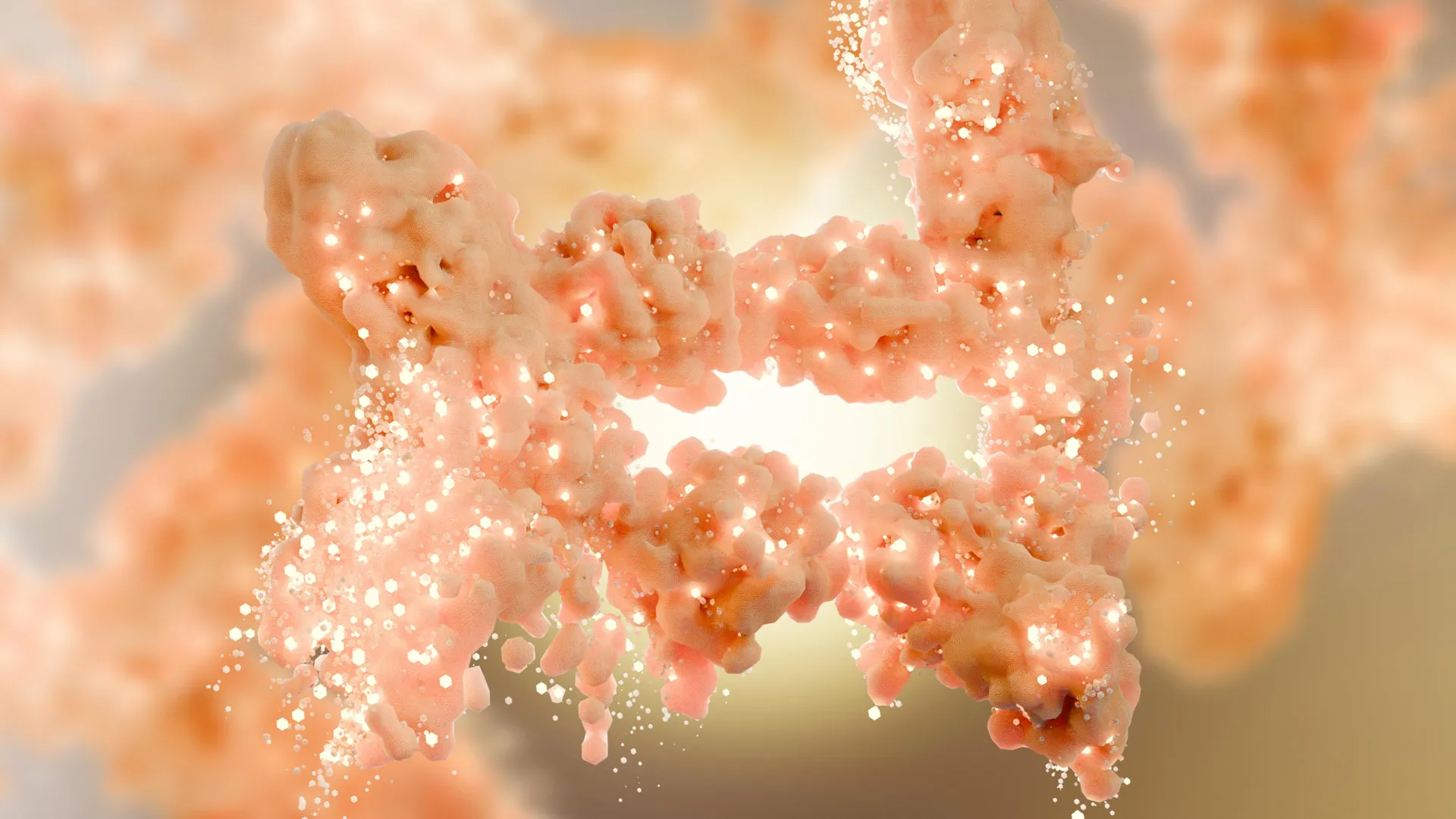
The discovery centers on a protein known as Hormone-Sensitive Lipase (HSL). Long recognized as the "key" that unlocks fat stores during times of energy scarcity, HSL has now been revealed to be a biological multitasker. By operating not just on the surface of lipid droplets but within the cell’s nucleus, HSL acts as a master regulator of fat cell health. This revelation explains a long-standing medical mystery: why the absence of this "fat-burning" protein does not lead to obesity, but rather to a rare and dangerous condition called lipodystrophy.
The Traditional Paradigm: HSL as the Energy Mobilizer
To understand the magnitude of this discovery, one must first look at the established science. Inside every adipocyte, fat is sequestered into structures called lipid droplets. These droplets serve as the body’s primary fuel reserves. During periods of fasting or intense physical activity, the body demands energy.
The mechanism is elegant: hormones such as adrenaline circulate through the bloodstream, acting as a chemical signal. When these hormones dock onto receptors on the fat cell, they trigger a cascade that activates the protein HSL. HSL functions like a molecular switch, moving to the surface of the lipid droplet to catalyze the breakdown of stored fat into fatty acids, which are then released into the bloodstream to power the heart, muscles, and other organs. For over 60 years, this was the sum total of our understanding regarding HSL: it was an enzyme for mobilization.
The Lipodystrophy Paradox: A Counterintuitive Finding
The conventional model suggested that if HSL were absent, the body would be unable to break down its fat reserves, leading to a massive, uncontrolled accumulation of adipose tissue. Logically, a lack of HSL should result in extreme obesity.
Yet, clinical data from both human patients and laboratory mice painted a vastly different picture. Individuals with genetic mutations that render HSL dysfunctional do not become obese. Instead, they exhibit the opposite phenotype: they suffer from lipodystrophy. This condition is characterized by a severe lack of functional adipose tissue.
This paradox has puzzled researchers for years. If the "fat-releasing" machine is broken, why is there no fat to be found? The answer, as it turns out, lies in the fact that HSL is not merely a tool for emptying the tank; it is a critical architect of the cell itself.
Chronology of Discovery: From Cytoplasm to Nucleus
The path to this discovery was paved by a team led by Dominique Langin at the University of Toulouse. By examining the subcellular localization of HSL, the team sought to identify if the protein had a life outside of the lipid droplet surface.
Phase 1: Identifying the Nucleus
Through advanced imaging and molecular analysis, the researchers identified HSL residing within the nucleus—the command center of the adipocyte. This was entirely unexpected. The nucleus is where DNA is transcribed and gene activity is managed.
Phase 2: Defining the "Healthy" Program
Jérémy Dufau, a lead co-author of the study, noted that within the nucleus, HSL associates with a complex array of other proteins. "In the nucleus of adipocytes, HSL is able to associate with many other proteins and take part in a program that maintains an optimal amount of adipose tissue and keeps adipocytes ‘healthy,’" Dufau explained. Essentially, HSL is not just releasing fuel; it is managing the "infrastructure" of the fat cell to ensure it remains functional.
Phase 3: The Signaling Shift
The study also elucidated how the cell manages this protein. The researchers discovered a dynamic "shuttling" process. When the body needs energy, adrenaline signals the cell to move HSL out of the nucleus and onto the lipid droplets to begin fat breakdown. Once the energy need is met, or during periods of rest, the protein returns to the nucleus to resume its role in maintaining cell health.
The Convergence of Obesity and Lipodystrophy
One of the most striking conclusions of the study is the unexpected common ground between obesity and lipodystrophy. While one involves an excess of dysfunctional fat and the other a lack of fat altogether, the underlying biological mechanism is shared: the failure of the adipocyte to maintain its "health."
In obese subjects, the researchers observed that this delicate balance of HSL is disrupted. Specifically, they found higher levels of HSL remaining in the nucleus even when it might be needed elsewhere, or conversely, a failure to appropriately cycle the protein. This suggests that in the state of obesity, the "housekeeping" role of HSL is compromised, leading to the metabolic inflammation and cardiovascular risks that typically accompany excessive weight gain.
Supporting Data and Clinical Implications
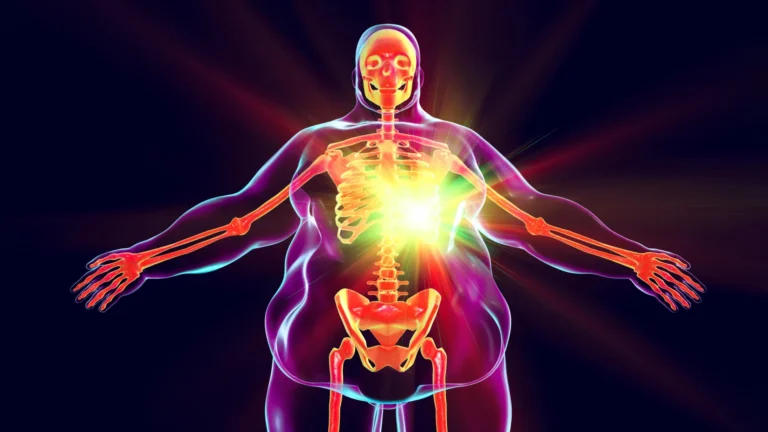
The implications of this discovery are profound for the global health community. With roughly 2.5 billion people worldwide classified as overweight or obese, the economic and medical burden of metabolic disease is unprecedented. In France alone, one in two adults faces weight-related health challenges.
The I2MC research provides a new lens through which to view these statistics:
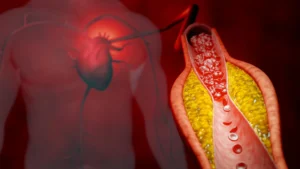
- Metabolic Syndrome: Obesity is often linked to insulin resistance and cardiovascular disease. The finding that HSL helps maintain "healthy" fat tissue suggests that if this regulatory program fails, fat cells become stressed, releasing harmful inflammatory signals into the body.
- Precision Medicine: Understanding that HSL is a dual-purpose protein allows researchers to move away from "one-size-fits-all" weight loss strategies. Instead, future therapies might focus on modulating the localization of HSL—encouraging it to perform its protective nuclear functions while fine-tuning its mobilization role.
- Diagnostic Markers: Because the amount of HSL in the nucleus is a proxy for the health of the fat cell, measuring this protein’s activity could eventually become a biomarker for identifying individuals at high risk for metabolic complications before they manifest as full-blown diabetes or heart disease.
Official Perspectives: Looking Toward the Future
"HSL has been known since the 1960s as a fat-mobilizing enzyme," says Dominique Langin. "But we now know that it also plays an essential role in the nucleus of adipocytes, where it helps maintain healthy adipose tissue."
The research team emphasizes that this is not merely a theoretical exercise in cell biology. It is a fundamental shift in how we approach the treatment of metabolic disorders. By recognizing that fat cells are not just storage units, but dynamic, regulated, and critical organs, the medical community can move toward more sophisticated interventions.
Current treatments for obesity have often focused on the "intake vs. output" model—trying to force the body to burn more or consume less. However, this study suggests that the goal should perhaps be "adipocyte optimization." If we can preserve the health of the fat cell by supporting the regulatory programs driven by proteins like HSL, we may be able to prevent the onset of the chronic conditions that currently plague the global population.
Conclusion: A New Frontier in Metabolic Science
The story of HSL is a reminder that in biology, assumptions are often the greatest barrier to progress. What was once dismissed as a simple metabolic switch is now revealed to be a master regulator of cellular integrity.
As we look toward the future, the work of Langin, Dufau, and their colleagues at the University of Toulouse serves as a call to action for the scientific community. The complexity of the human body, particularly the adipose system, is far greater than previously imagined. By peeling back the layers of the adipocyte’s nucleus, we are not just finding a new protein function; we are unlocking the door to a new era of metabolic medicine—one where we treat the health of the cell, rather than just the number on the scale.
As research continues, the focus will undoubtedly shift to how this nuclear "program" can be protected, restored, or enhanced. For the billions of people living with the complications of metabolic syndrome, this discovery offers more than just knowledge—it offers the hope of a future where obesity is understood, managed, and eventually, treated with the precision it requires.