









For millions of people worldwide, the simple act of taking a walk, climbing a flight of stairs, or rising from a chair has become a source of chronic, debilitating pain. Knee osteoarthritis (OA), a degenerative condition characterized by the gradual erosion of joint cartilage, affects nearly 30% of adults over the age of 45. As the global population ages, the prevalence of this condition is skyrocketing, placing an immense burden on healthcare systems and individual quality of life.
For decades, clinicians have prescribed "exercise" as a blanket recommendation for managing joint pain. However, until now, the medical community has lacked a definitive consensus on exactly which type of exercise yields the best results. A landmark study published in The BMJ has finally provided the clarity patients and physicians have been waiting for: aerobic exercise—specifically walking, cycling, and swimming—is the most effective intervention for mitigating the symptoms of knee osteoarthritis.
The Foundation: Understanding the "Wear and Tear" of Knee OA
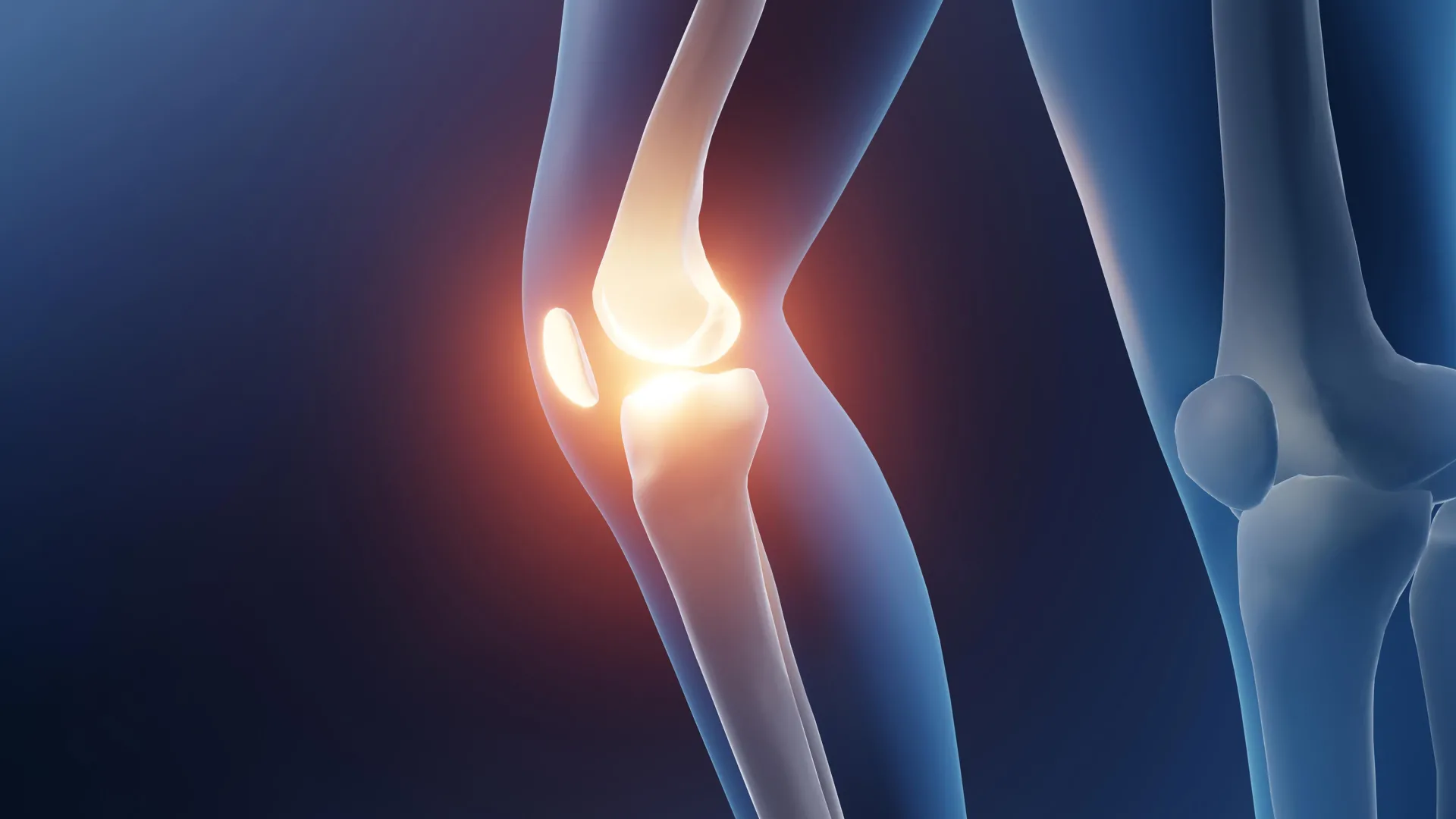
To understand the gravity of these findings, one must first understand the pathology of the condition. Knee osteoarthritis is not merely an "old person’s disease" or a simple sign of aging. It is a complex process where the protective cartilage that cushions the ends of bones within the joint gradually breaks down. As this cartilage thins, the joint loses its natural shock absorber, leading to bone-on-bone friction.
The physiological consequences are severe: chronic pain, persistent swelling, stiffness, and a significant loss of mobility. According to clinical data, approximately half of all adults over 45 who show radiographic evidence of the condition experience severe, life-altering symptoms. For these individuals, the fear of worsening their condition often leads to a sedentary lifestyle, which paradoxically accelerates the decline of the joint, as muscles weaken and weight gain increases the load on the knees.
Chronology of a Comprehensive Analysis: 34 Years of Research
The path to this discovery was not paved by a single experiment, but by a gargantuan synthesis of clinical data. To address the ambiguity in existing guidelines, researchers conducted a massive systematic review and network meta-analysis of 217 randomized controlled trials (RCTs) conducted between 1990 and 2024.
This exhaustive review encompassed a total of 15,684 participants, creating a robust data set that spans over three decades of medical advancement. The study sought to compare various exercise modalities against one another and against control groups (which typically received no intervention or standard care). The categories of exercise analyzed included:
- Aerobic exercise: Low-impact activities such as walking, cycling, and swimming.
- Strengthening exercise: Resistance-based movements designed to build the muscles surrounding the joint.
- Flexibility training: Stretching and range-of-motion exercises.
- Mind-body programs: Disciplines like Tai Chi and Yoga.
- Neuromotor training: Balance and coordination-based movements.
- Mixed programs: Combinations of the above.
The researchers employed the GRADE system—the gold standard for evaluating the certainty of evidence in healthcare—to ensure that the conclusions drawn were not only statistically significant but clinically reliable.
Supporting Data: Why Aerobic Exercise Wins
The study’s findings provide a clear hierarchy of efficacy. When researchers looked at the "Big Four" outcomes—pain reduction, physical function, gait performance, and overall quality of life—aerobic exercise consistently outperformed its counterparts.
Short-Term and Mid-Term Relief
The data revealed that aerobic exercise provides moderate-certainty evidence of pain reduction in both the short term (four weeks) and mid-term (12 weeks). More importantly, the benefits regarding physical function were sustained across the short, mid, and long term (24 weeks). For a patient suffering from daily stiffness, these results suggest that consistent aerobic activity provides a reliable pathway to maintaining independence.
The Role of Supplemental Therapies
While aerobic exercise emerged as the clear frontrunner, the study was careful not to dismiss other forms of activity. The researchers noted that:
- Mind-body approaches (e.g., Tai Chi) showed promise in improving short-term physical function.
- Neuromotor training provided specific benefits for gait performance in the short term.
- Strengthening and mixed-modality programs proved effective for improving mid-term functional capacity.
The key takeaway is not that these alternatives are ineffective, but rather that they should be viewed as complementary rather than primary. If a patient is unable to tolerate aerobic exercise due to severe pain or physical limitations, these alternative modalities remain a viable, scientifically backed "Plan B."
Safety and the "No-Harm" Verdict
One of the most significant barriers to prescribing exercise for osteoarthritis patients is the fear of injury. Patients often worry that "moving more" will cause further damage to their already compromised cartilage.
The study’s findings should serve to alleviate these concerns. Across all 217 trials, there was no increased risk of adverse events associated with the exercise groups compared to the control groups. Exercise proved to be an exceptionally safe intervention. The researchers concluded that the risk of doing nothing—which leads to muscle atrophy, weight gain, and cardiovascular decline—far outweighs the negligible risk of engaging in structured, supervised physical activity.
Implications for Clinical Practice
The publication of this study marks a turning point in the management of musculoskeletal health. For clinicians, the ambiguity that has characterized treatment guidelines is officially over.
A Shift in Prescription Strategy
The authors of the report have issued a clear recommendation: Aerobic exercise should be the "first-line intervention" for the management of knee osteoarthritis. Physicians are now equipped with the data to move away from vague advice like "try to stay active" and toward specific, evidence-based prescriptions.
For a patient presenting with knee pain, the recommendation would look like this:
- Prioritize Aerobic Activity: Initiate a low-impact aerobic program (walking, cycling, or swimming) as the cornerstone of the treatment plan.
- Individualize the Approach: If the patient cannot perform these activities, pivot to secondary modalities like strength training or mind-body movement.
- Monitor Long-Term Progress: Use these activities as a sustained lifestyle intervention rather than a temporary "fix."
Limitations and Future Directions
While the findings are groundbreaking, the researchers remained transparent about the study’s limitations. Many of the trials analyzed were indirect, and while the short-term and mid-term data were robust, there remains a need for more long-term (beyond 24 weeks) research to track the durability of these improvements. Additionally, the study noted that because the quality of the 217 trials varied, clinicians should always tailor exercise intensity to the specific health status and pain threshold of the individual patient.
Conclusion: Reclaiming Mobility
The BMJ study provides a powerful message of hope for those living with the shadow of chronic knee pain. It demystifies the treatment process and places the power of healing back into the hands of the patient. By prioritizing aerobic activity, patients can significantly reduce their pain, enhance their mobility, and reclaim the quality of life that osteoarthritis threatens to steal.
As medical guidelines are updated to reflect these findings, the hope is that healthcare systems will invest more in structured exercise programs, making them as accessible as traditional pharmaceuticals. In the battle against knee osteoarthritis, the most potent medicine is not found in a bottle or a surgical suite—it is found in the rhythmic movement of a walk, the steady rotation of a pedal, and the buoyancy of a swim. Motion is, truly, the best medicine.