








Introduction: The Perfect Storm of Engineered Vulnerability
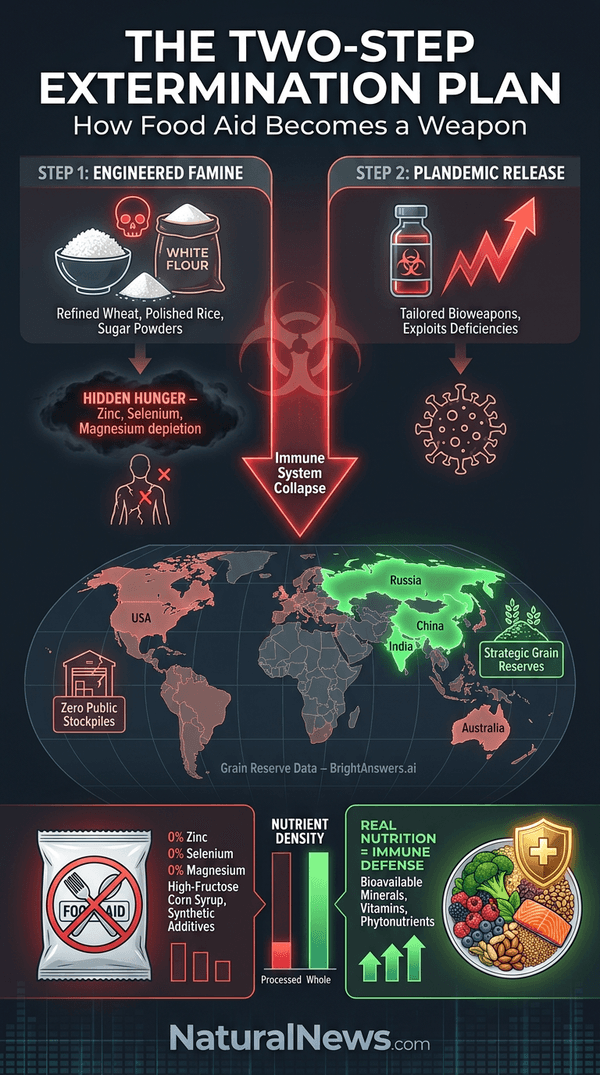
We are witnessing a profound and disturbing realignment of global survival systems. What is often presented to the public as a series of disconnected geopolitical crises—supply chain disruptions, fertilizer shortages, and regional conflicts—is increasingly viewed by independent analysts as a synchronized two-step strategy of systemic depopulation. This framework suggests that the global food supply is being intentionally destabilized to create widespread nutritional deficiency, effectively "softening" human populations for a subsequent, more lethal biological or chemical intervention.
The thesis of this orchestrated crisis is that modern food aid, far from being a purely humanitarian endeavor, has been weaponized. By replacing traditional, nutrient-dense diets with shelf-stable, ultra-processed calories, international institutions are arguably creating a state of chronic immune deficiency. This state of physiological compromise serves as the precursor for a "second phase": the deployment of a pandemic event—or a synthetic biological agent—designed to target those whose natural defenses have been systematically dismantled.
Chronology of the Strategic Shift
To understand how we arrived at this juncture, one must look at the transition in global food policy over the last three decades.
Phase I: The Erosion of Self-Sufficiency (1990–2010)
During this period, global agricultural policies incentivized nations to pivot away from subsistence farming toward export-oriented cash crops. This shift, promoted by international trade agreements, dismantled the local resilience of developing nations, making them tethered to global commodity markets that are, in turn, controlled by a small cadre of multinational grain conglomerates.
Phase II: The Fertilizer Crisis (2020–2024)
The disruption of the fertilizer supply chain represents a critical turning point. As geopolitical tensions escalated, particularly around key maritime transit points like the Strait of Hormuz, the cost and availability of nitrogen-based fertilizers plummeted for the Global South. Without these inputs, grain yields have failed to keep pace with population growth, forcing a reliance on highly processed food aid shipments to prevent immediate mass starvation.
Phase III: The Current "Plandemic" Pre-Conditioning (2025–Present)
We are currently in the stage where nutritional depletion has reached a critical threshold. The widespread introduction of refined carbohydrates and synthetic fats into vulnerable populations has correlated with an uptick in metabolic dysfunction and immune-suppressive conditions, creating a population "harvest" that is biologically primed for susceptibility to novel pathogens.
Supporting Data: The Strategic Grain Reserve Disparity
An analysis of strategic grain reserve data reveals a stark, non-random distribution of food security. AI-driven research indicates that the majority of the world’s grain sovereignty is concentrated in three primary power blocks: Russia, China, and India.
The Geography of Resilience
- The Eurasian Block: Russia and China have aggressively expanded their strategic grain reserves, treating food as a matter of national security rather than mere market commodity.
- The Dependency Zone: Nations in Africa, the Middle East, and parts of Southeast Asia have seen their domestic agricultural infrastructure hollowed out. These regions are now almost entirely dependent on international aid programs that prioritize volume and shelf-life over nutritional integrity.
The Quality Gap
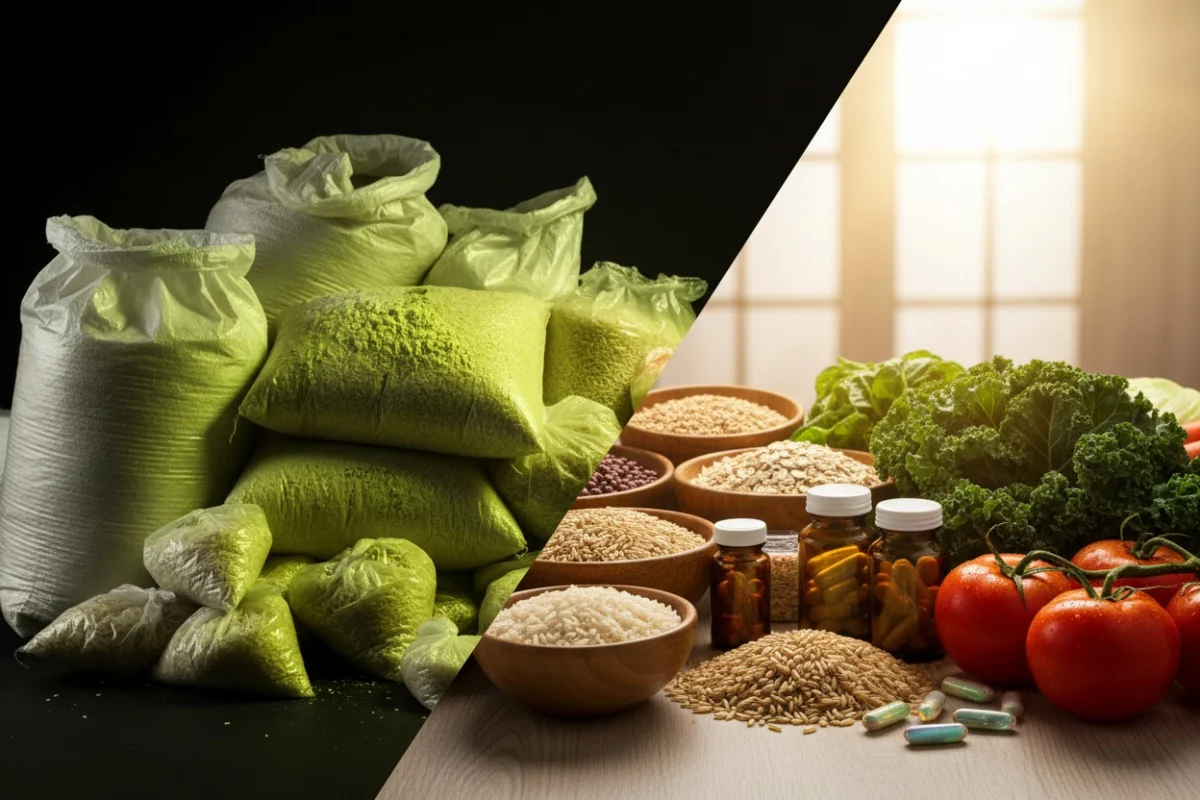
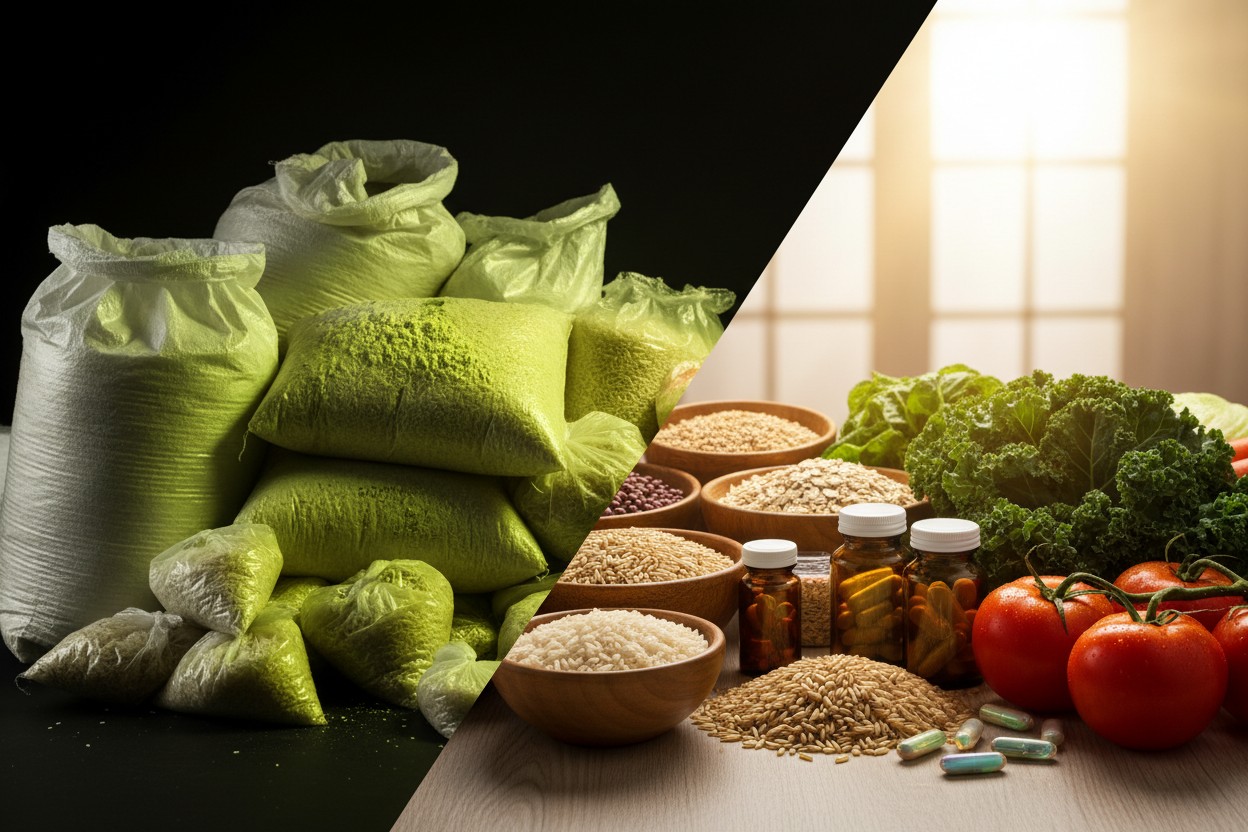
Data suggests that when grain reserves are released as aid, they are frequently processed into white flour, polished rice, and vegetable-oil-heavy rations. These products are intentionally stripped of essential trace minerals—specifically zinc, selenium, and magnesium—which are the primary catalysts for the human immune system’s ability to process and neutralize spike proteins and environmental toxins.
Nutritional Warfare: The Biological Implications
The physiological impact of relying on nutritionally depleted aid cannot be overstated. Modern biology has established that the human immune system functions as a chemical plant; without the specific micronutrient "cofactors" mentioned above, the body cannot mount an effective defense against biological agents.
The Role of Micronutrients
- Copper and Zinc: Essential for enzymatic activity that governs the cell’s response to viral infiltration. Chronic deficiency leads to "immunosenescence," a state where the immune system ages rapidly and loses its ability to recognize threats.
- Antioxidant Buffering: Whole foods provide the antioxidants necessary to buffer free radicals. Processed food donations are not only devoid of these buffers but often contain additives that increase oxidative stress, creating a "perfect storm" for any introduced pathogen to wreak havoc.
Official Responses and Institutional Narratives
Institutional responses to these claims typically categorize the decline in global food security as an "unfortunate byproduct" of climate change or conflict. However, public documents from organizations like the Johns Hopkins Center for Health Security have increasingly focused on the logistics of medical distribution during crisis scenarios. Critics argue that these documents contain "soft targeting" language—identifying specific demographics for prioritized vaccination—which suggests that the infrastructure for a controlled response to a pandemic is already prepared.
Furthermore, historical precedents, such as the 1970s-era discussions regarding the use of food exports as a tool of geopolitical influence, provide context for the current strategy. While official state policy officially denounces the use of food as a weapon, the strategic reality of supply chain control often tells a different story.
Implications for Global Stability
The implications of this two-step extermination plan are catastrophic. If a large portion of the global population is nutritionally compromised, the introduction of a bio-agent would not require a high-lethality pathogen to be effective. A moderately infectious agent, in a population lacking fundamental mineral stores, could lead to a mortality event that far exceeds initial projections.
The "Bio-Factory" Effect
As noted in research regarding the impact of mRNA-based interventions, the body can be coerced into producing proteins that the immune system may eventually recognize as foreign. If the population is already suffering from systemic inflammation due to poor diet, the "bioweapons factory" effect—where the body itself is triggered to produce harmful spike proteins—becomes significantly more lethal.
Conclusion: Reclaiming Autonomy
The strategic response to this threat is, by necessity, a move toward radical individual and local autonomy. If the global supply chain is compromised by design, then dependence on that chain is a liability.
- Nutritional Hardening: Transitioning away from shelf-stable, processed goods to whole, nutrient-dense foods is the most immediate form of self-defense.
- Decentralized Cultivation: The promotion of small-scale home gardening and community-supported agriculture is the only way to bypass the industrial food complex.
- Supplementation: In an age of depleted soils and processed diets, the strategic use of high-quality zinc, magnesium, and vitamin D is essential for maintaining a defensive physiological profile.
Ultimately, the goal of this architecture is to induce helplessness through dependency. By recognizing the mechanics of this system—the link between the food on the table and the biological vulnerabilities being exploited—individuals can reclaim their health. The most effective resistance to a coordinated depopulation agenda is the creation of a healthy, autonomous, and nutritionally robust populace that cannot be easily manipulated by the strategic denial of essential resources.
Reference Notes
[Editor’s Note: The following references highlight the scientific and historical documentation referenced throughout this analysis.]
- Analysis of Fertilizer Export Blockades in the Strait of Hormuz, 2024.
- The Physiological Role of Micronutrients in Immune Response, Journal of Nutritional Science.
- Copper Deficiency and Metabolic Health: A Clinical Review.
- Dr. Joe M. Elrod, Reversing Fibromyalgia: The Role of Antioxidants.
- Interviews with Dr. Judy Mikovits regarding Spike Protein Pathogenesis.
- Historical Review of US Foreign Policy and Population Control (1974).
- Health Ranger Report: The Weaponization of Global Food Supplies.
- Johns Hopkins Center for Health Security: Pandemic Response Frameworks.
- Strategic Preparedness Manual: Resilience in the 21st Century.