











As May unfolds, the nation turns its collective attention to two significant observances: Older Americans Month and National Travel & Tourism Week (May 3–9). These parallel celebrations offer a poignant reminder that age is not a barrier to discovery, but rather a catalyst for a more profound appreciation of the world. In the latest installment of the Caregiving Club On Air podcast, host Sherri Snelling—a distinguished gerontologist, author, and CEO of the Caregiving Club—sits down with Debbie Dotson, widely known as the “Ageless Adventurer,” to discuss the intersection of senior vitality and the transformative power of travel.
The Intersection of Aging and Exploration
For many, the transition into the golden years is mistakenly viewed as a period of contraction. However, through the lens of experts like Snelling and practitioners like Dotson, this stage of life is increasingly defined by expansion.
The conversation between Snelling and Dotson serves as a cornerstone for this month’s programming, challenging traditional narratives about aging. Dotson, an expert in senior travel, advocates for a philosophy that prioritizes curiosity and courage. Her insights are particularly timely, arriving during Older Americans Month—a period designated to recognize the contributions and resilience of older citizens—and National Travel & Tourism Week, which underscores the economic and personal benefits of exploring new horizons.
The Ageless Adventurer’s Philosophy
Debbie Dotson’s approach to travel is rooted in the belief that movement is medicine. Whether navigating local gems or international landscapes, the physical and psychological benefits of travel for older adults are immense. It promotes cognitive sharpness, fosters social connectivity, and provides a sense of agency that is essential for long-term well-being. By “ageless” adventuring, Dotson suggests that the spirit of exploration remains static even as the body evolves, provided that individuals have the right resources and the confidence to seek them out.
Podcast Milestone: A Trusted Voice in Caregiving
The release of this episode coincides with a significant achievement for the Caregiving Club On Air platform. As the podcast enters its sixth season, it has secured the #3 position in the "Top 80 Caregiving Podcasts" ranking by the analytical firm Feedspot.

This recognition is not merely a tally of downloads; it represents a validation of the platform’s mission to provide high-quality, research-backed, and empathetic content for the millions of Americans navigating the complexities of caregiving. For the “Sandwich Generation”—those caring for both aging parents and children—the podcast serves as a vital lifeline. Snelling’s commitment to evidence-based advice, combined with her background in gerontology, has solidified the show’s status as an essential resource in the caregiving ecosystem.
Transitioning to Digital: The Rise of "Caregiving Club News"
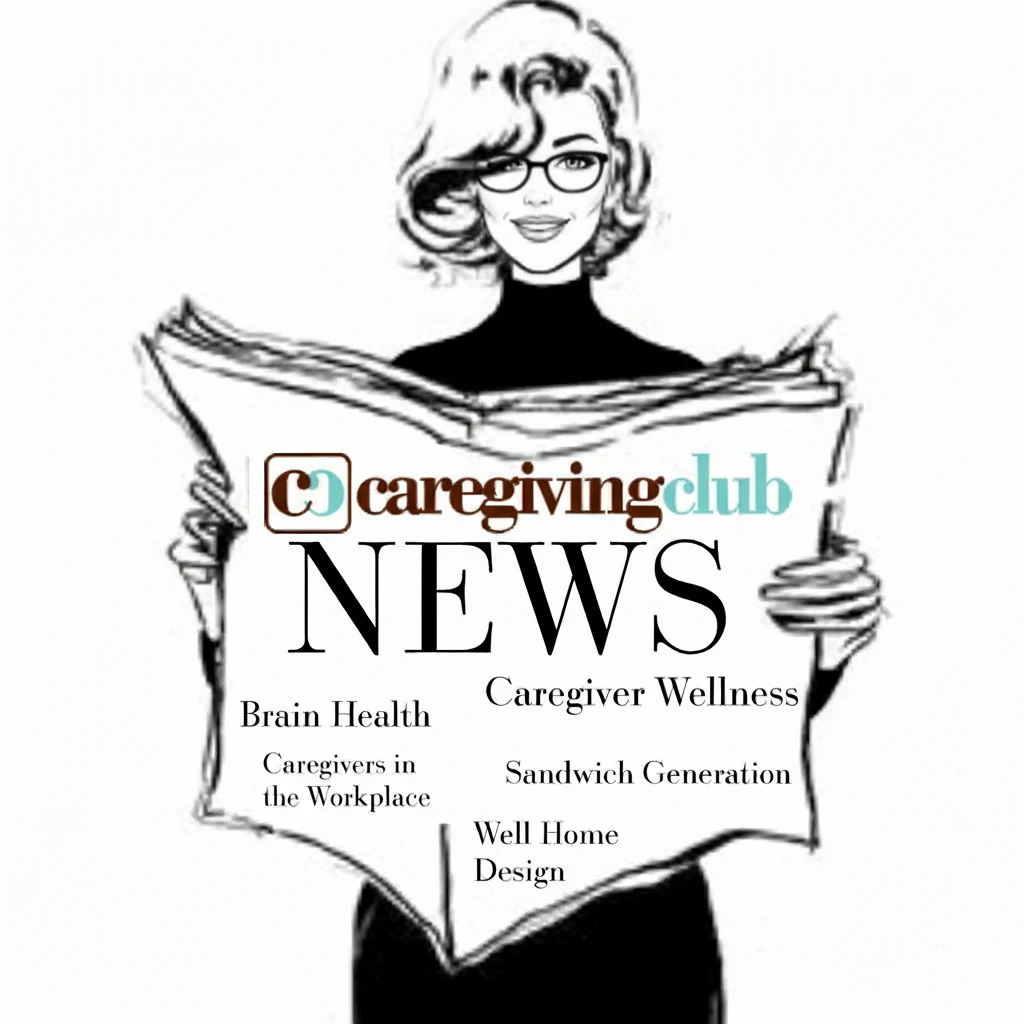
In a strategic shift to better serve a digitally native audience, the Caregiving Club is migrating its popular news segments—previously embedded within the podcast—to a dedicated YouTube program titled Caregiving Club News.
Why the Pivot?
The digital landscape for caregivers is saturated, yet often lacks the intersectional nuance required to address modern challenges. By moving segments such as "Caregiver Wellness News" and "Well Home Design News" to a dedicated visual platform, the organization aims to:
- Enhance Accessibility: Video content allows for more effective demonstrations of wellness hacks and home modifications.
- Streamline Consumption: Listeners who prefer short, digestible updates can now access research, pop culture analysis, and resource spotlights without committing to a long-form audio podcast.
- Foster Community: YouTube’s interactive comment features allow for a more robust exchange of ideas between the Caregiving Club team and the community of caregivers.
The program, which debuted earlier this year, provides bi-weekly updates that synthesize complex research into actionable advice. This move reflects a broader trend in health communication: moving away from static information toward dynamic, interactive education.
Implications for the Modern Caregiver
The themes discussed in the latest episode—travel, self-care, and the evolution of digital support—carry significant implications for caregivers. The primary challenge for most caregivers is the "caregiver paradox": the necessity of caring for oneself in order to effectively care for others.

Combating Burnout
Sherri Snelling’s work, particularly her book Me Time Monday, emphasizes that self-care is not a luxury; it is a structural necessity. Research cited throughout her articles suggests that caregivers who engage in structured routines—such as the “Monday reset”—experience lower levels of cortisol and reported loneliness.
The implications are clear: when a caregiver ignores their own health, the quality of care provided to their loved one suffers. By integrating travel (even in small doses) and prioritizing mental health through resources like the “Self-Care in 7 Minutes” video series, caregivers can mitigate the risk of burnout and depression, which are disproportionately high among this demographic.
Official Resources and Supporting Data
For those seeking to implement these strategies, the Caregiving Club provides a curated list of resources that serve as the backbone of their advocacy work.
Essential Tools for Caregivers
- The Elder Care Locator (1-800-677-1116): An essential service under the U.S. Administration on Aging that helps individuals find local resources, from transportation to home-delivered meals.
- Wellness Hacks: The “Self-Care in 7 Minutes” series on YouTube is designed for the time-poor caregiver, proving that significant mental health improvements can be achieved in micro-sessions.
- Me Time Monday Workshops: An extension of Snelling’s literary work, these workshops provide a community-based approach to overcoming the isolation often associated with caregiving.
Research and Advocacy
The articles published by Snelling in outlets such as Forbes, USA Today, and PBS Next Avenue highlight a recurring theme: the need for systemic support for the "Sandwich Generation." Her research into how menopause, caregiving, and professional responsibilities collide offers a comprehensive look at the modern caregiver’s burden. These pieces are not just informational; they are diagnostic tools for caregivers to identify their own stressors and seek appropriate, evidence-based solutions.
The Path Forward
As we reflect on May’s observances, the takeaway for the public is twofold. First, we must continue to advocate for an infrastructure that supports the aging population—ensuring they have the means to remain active, mobile, and engaged. Second, we must provide the caregivers who support them with the digital tools, educational resources, and community validation they require.

The growth of the Caregiving Club to a top-tier podcast, paired with the launch of the Caregiving Club News YouTube channel, signals a maturing of the caregiving advocacy space. It is a space where experts like Sherri Snelling and influencers like Debbie Dotson are not just providing tips; they are fostering a cultural shift. They are moving us toward a reality where aging is treated as an adventure rather than an end, and where caregiving is recognized as a profound, albeit challenging, contribution to the social fabric of our nation.
By embracing these resources, subscribing to educational channels, and prioritizing the "Me Time" necessary for sustained emotional health, caregivers can transform their experience. As the adage goes, you cannot pour from an empty cup—and this month, the message is clear: fill your cup with discovery, connection, and the support of a community that understands the true value of care.
For more information on the resources mentioned, or to catch the latest episodes of the Caregiving Club On Air, visit the official Caregiving Club YouTube channel and subscribe to stay updated on all future programming.