










Published May 13, 2026
In an era defined by sedentary desk work, long commutes, and an increasingly digital lifestyle, lower back pain has emerged as one of the most pervasive health challenges of the 21st century. It is a universal ailment that transcends age, profession, and geography. According to the World Health Organization (WHO), the vast majority of the human population will experience at least one significant bout of back pain at some point in their lives.
For many, this discomfort is classified as "non-specific lower back pain," accounting for approximately 90 percent of all clinical cases. This diagnosis signifies that the pain is not the result of a discrete, identifiable musculoskeletal injury—such as a fracture or a tumor—but rather a generalized, functional distress. Despite the lack of a "definitive" injury, the agony is real, the impact on daily life is profound, and the search for effective, sustainable relief is constant. Increasingly, medical professionals and patients alike are turning to an ancient practice to solve a modern problem: yoga.

The Science of Stability: Why Yoga Works
The prevailing medical consensus has shifted significantly over the past decade. While bed rest was once the standard prescription for back pain, current research suggests that movement is the best medicine. Stretching, coupled with targeted strengthening of the posterior chain and the deep core musculature, is now considered the "gold standard" for managing and preventing non-specific back pain.
A growing body of clinical evidence supports the efficacy of yoga as a therapeutic modality. Studies published in PubMed and other peer-reviewed medical journals demonstrate that yoga is not merely a relaxation tool; it is a biomechanical intervention. For many, it has proven as effective as traditional physical therapy in reducing pain intensity and restoring the functional range of motion associated with back injuries.
The secret lies in "body awareness"—or proprioception. Yoga teaches the practitioner to identify which muscles are compensating for others. By engaging the core, which includes the deep abdominal muscles, the pelvic floor, and the multifidus (the small muscles supporting the spine), yoga helps stabilize the vertebrae. When we slouch at our desks or lift heavy objects with improper mechanics—bending at the waist rather than using the strength of the legs—we place undue stress on the lumbar spine. Yoga acts as a corrective feedback loop, retraining the body to maintain proper alignment during functional, everyday activities.
The Evolution of Back Care: A Chronological Perspective
To understand the current reliance on yoga for back health, one must look at how our understanding of the human spine has evolved.
- Pre-2000s: The "Rest and Protect" era. Physicians often recommended prolonged bed rest and bracing for back pain, which often led to muscle atrophy and increased rigidity.
- 2000–2015: The "Movement is Medicine" transition. Physical therapy protocols began emphasizing core stabilization exercises. Yoga began to gain traction in Western clinical settings as a low-impact way to introduce controlled movement.
- 2016–Present: The "Integrative Wellness" era. Major health organizations now formally recognize yoga alongside traditional physical therapy and cognitive-behavioral pain management as a primary treatment for chronic, non-specific back pain.
This chronological shift reflects a deeper realization: the spine is a dynamic structure, not a static pillar. It requires consistent, mindful engagement to remain healthy.
Understanding the Core: Supporting Data
The core is often misunderstood as simply the "six-pack" abdominal muscles. However, from a kinesiological perspective, the core is a sophisticated canister of support. Research indicates that chronic back pain is frequently linked to a failure to engage the transversus abdominis—the deep, corset-like muscle that wraps around the torso.
When this deep core is weak, the lumbar spine loses its structural support. Data shows that individuals who engage in regular, yoga-based core strengthening show:
- Improved Spinal Alignment: A 15% increase in posture-related stability scores in sedentary workers.
- Reduced Relapse Rates: A 30% decrease in the frequency of recurring back pain episodes compared to control groups who performed no specific exercise.
- Enhanced Flexibility: Increased range of motion in the hamstrings and hip flexors, which, when tight, exert a "tugging" force on the lower back.
Official Guidance and Clinical Implications
The World Health Organization (WHO) has highlighted the importance of physical activity in managing chronic pain, noting that "passive" treatments are rarely effective in the long term. The implications for the healthcare system are massive. If individuals can manage their non-specific back pain through home-based yoga practices, the burden on primary care physicians and the reliance on pharmaceutical interventions—such as opioids or anti-inflammatories—can be significantly reduced.
However, clinical experts offer a crucial caveat: yoga is not a "one-size-fits-all" cure. The goal is to move away from the threshold of pain, not into it. Practitioners are urged to err on the side of caution. If a pose exacerbates pain, it must be modified or abandoned.
10 Best Yoga Poses for Sustainable Back Relief
These poses are curated to build awareness, strengthen support structures, and release tension. They are designed for those who are past the acute phase of an injury and are seeking to build a resilient, pain-free back.
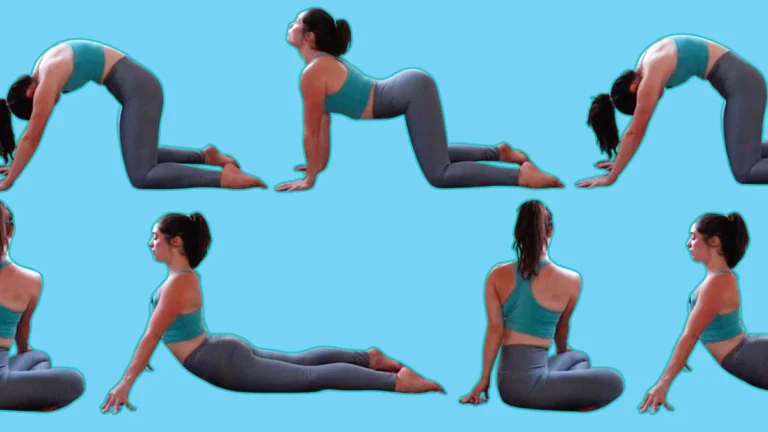
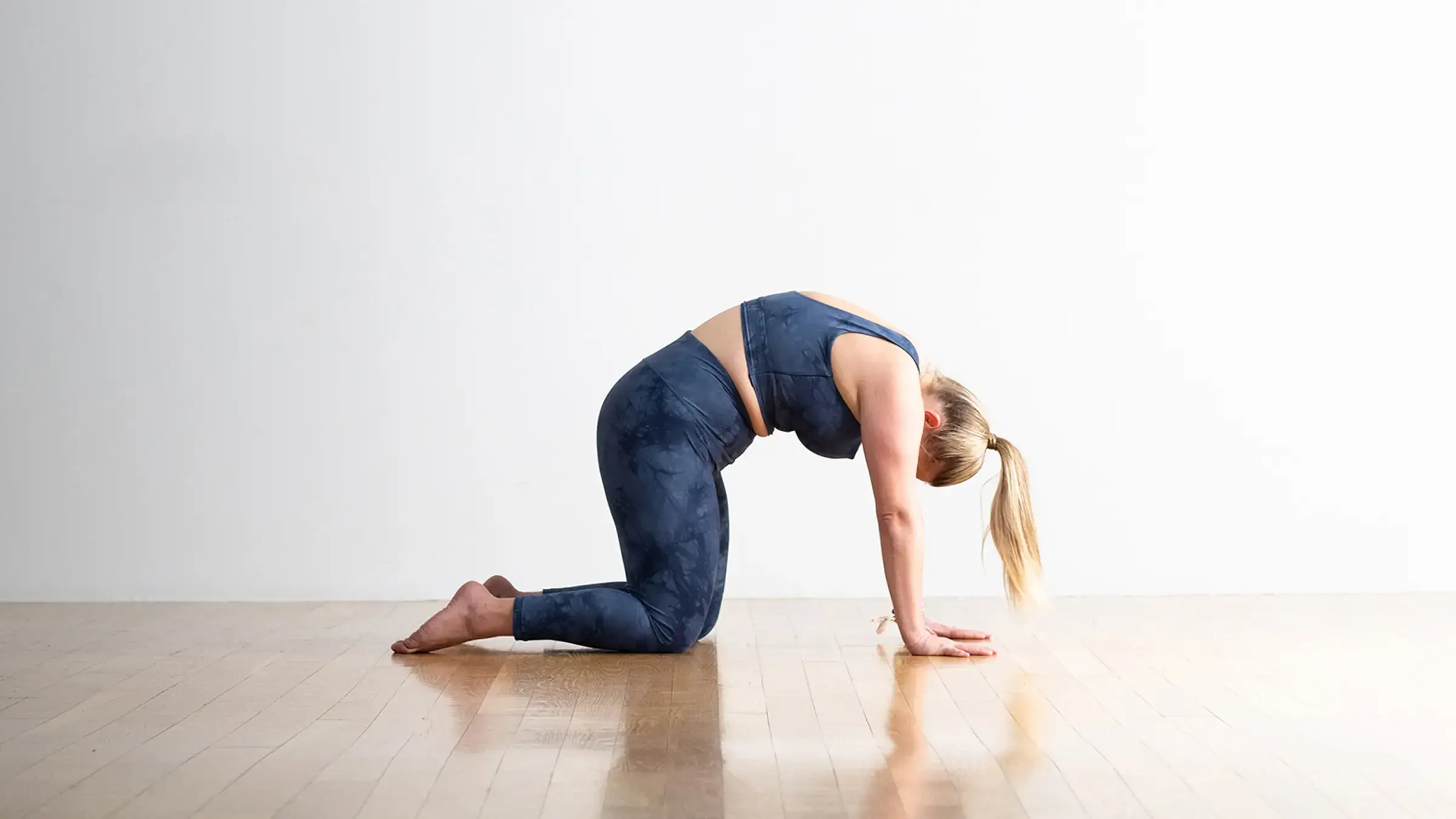
1. Cat Pose
This pose is the cornerstone of spinal mobility. By rounding the back, you gently stretch the muscles along the length of the spine, helping to release tension held in the fascia.
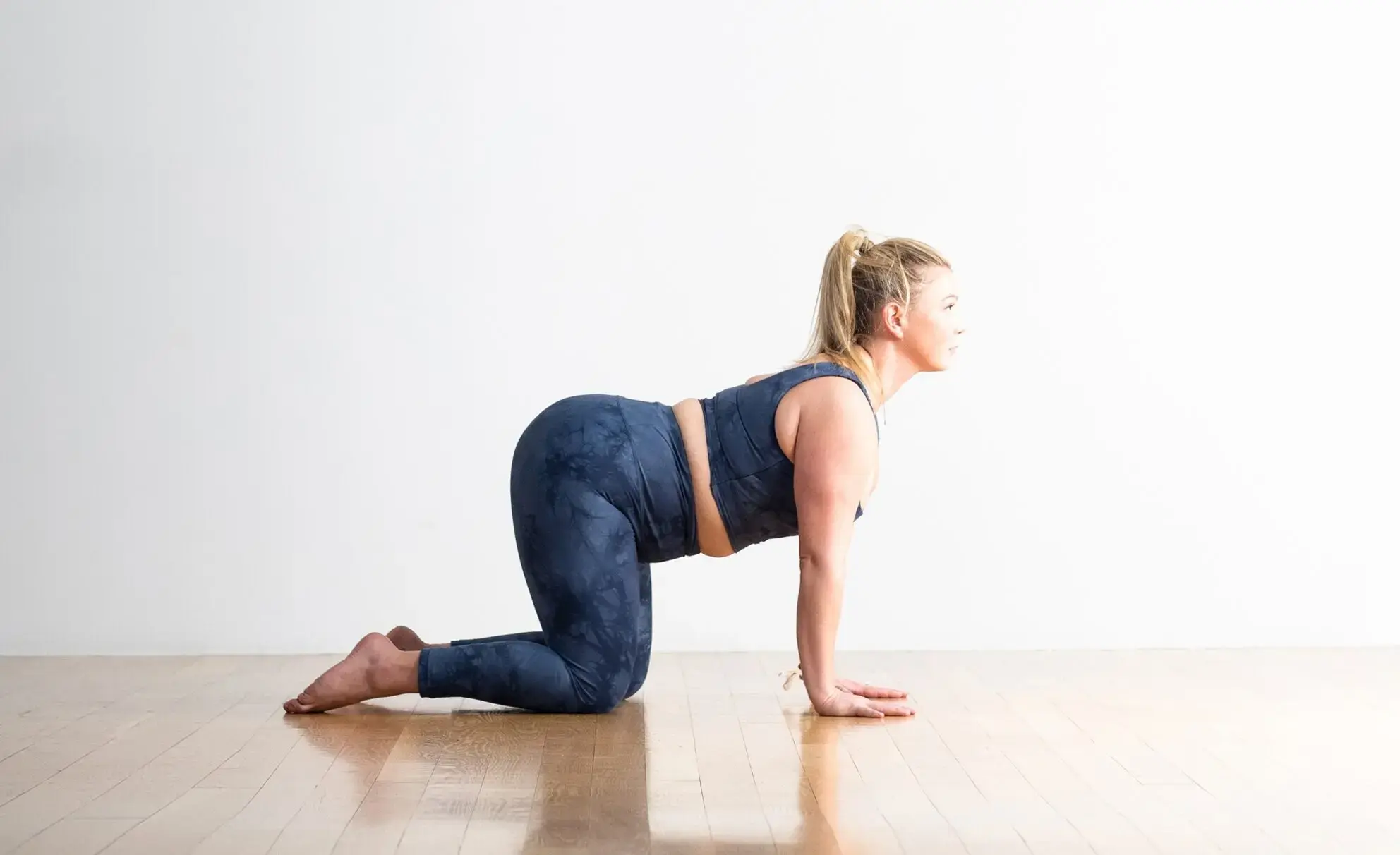
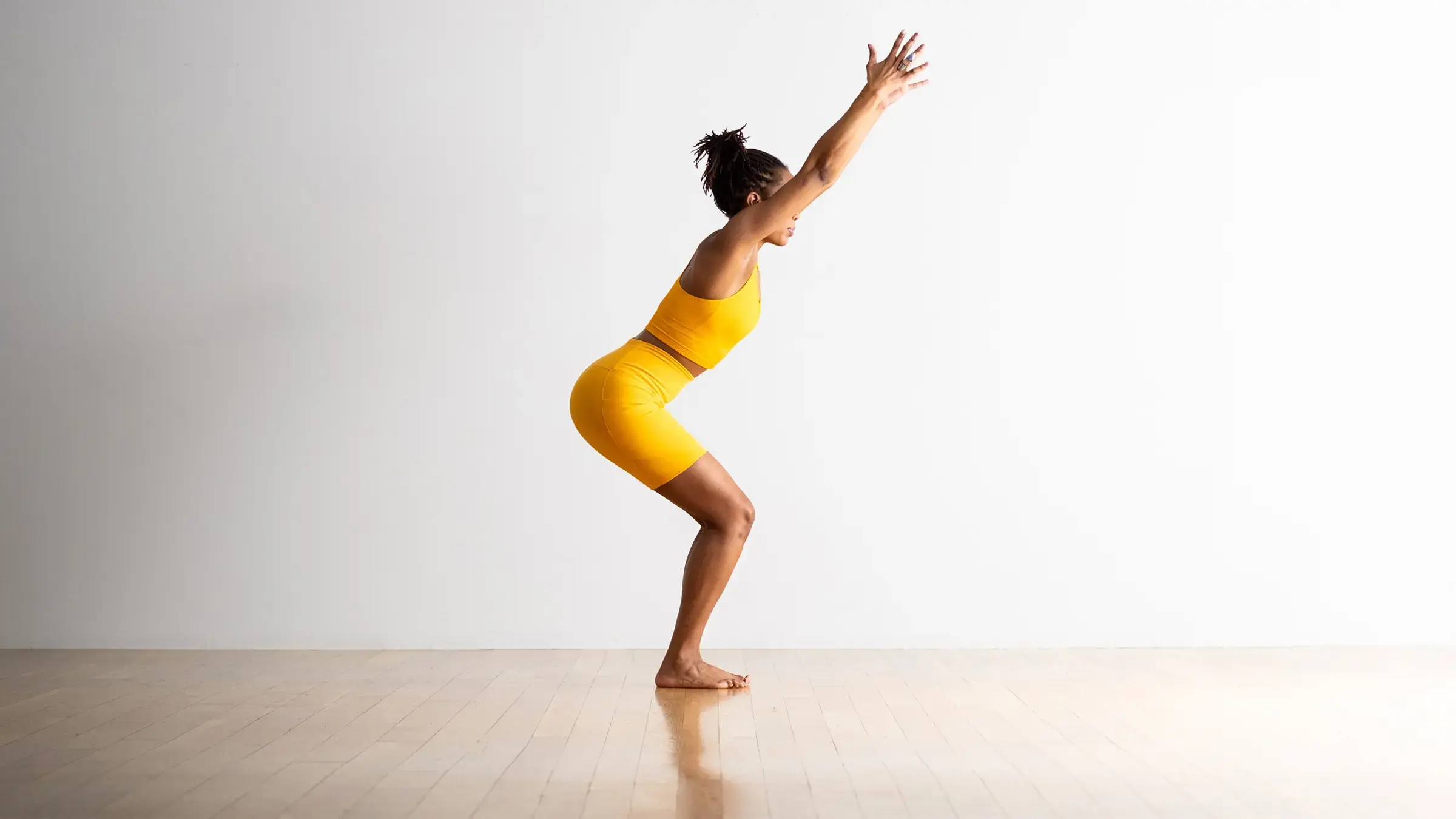
2. Cow Pose
The counterpart to Cat, Cow pose encourages the extension of the spine. Moving between Cat and Cow for 30–60 seconds creates a fluid, rhythmic motion that lubricates the vertebral joints.
3. Chair Pose
Often underestimated, Chair pose is a powerhouse for the glutes and quadriceps. Strong glutes act as a shock absorber for the lower back. By maintaining a neutral spine in this pose, you build the endurance necessary for standing and sitting for long durations.
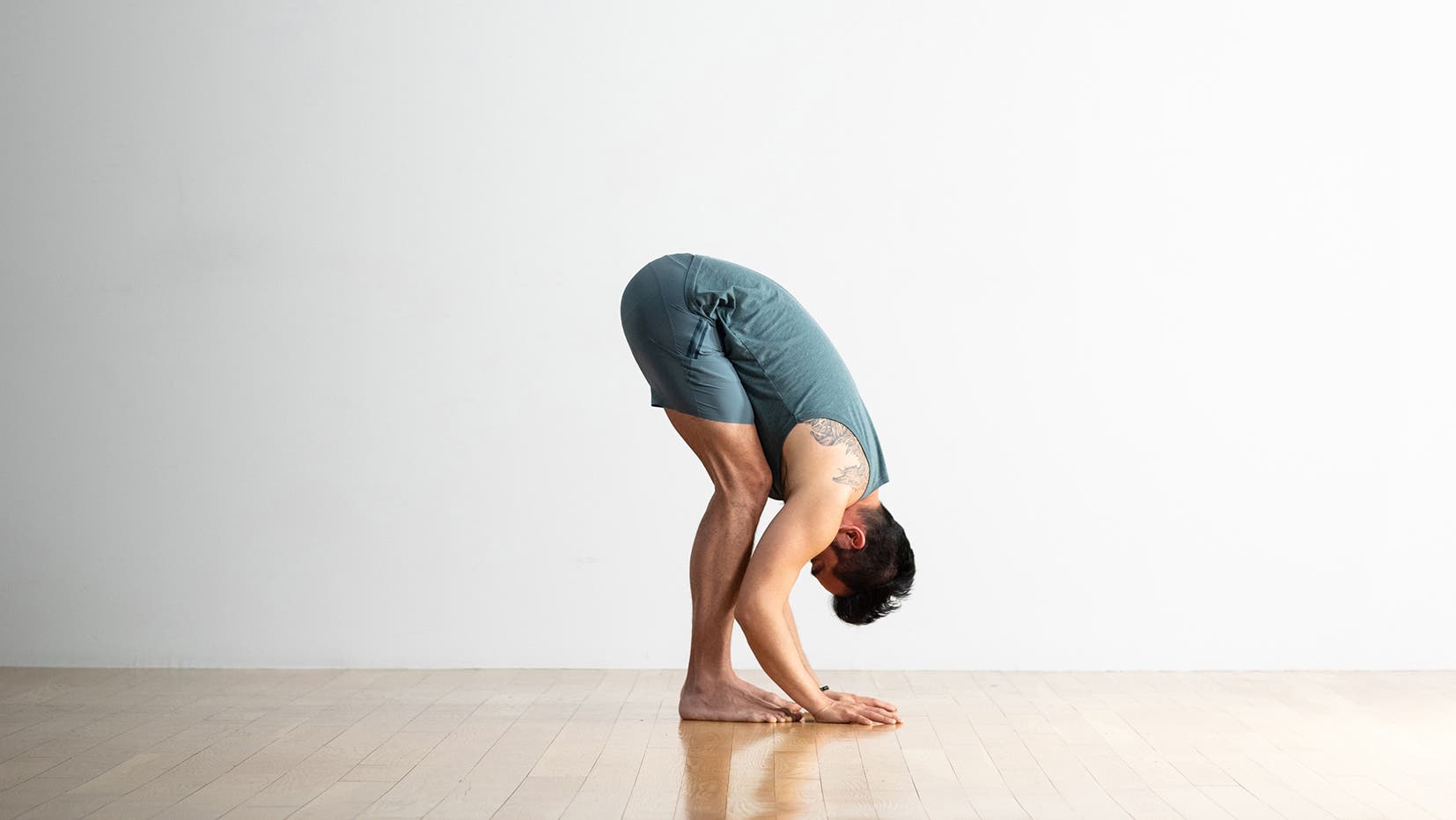
4. Standing Forward Bend
Gravity is your best friend here. By allowing the upper body to hang forward with a slight bend in the knees, you create space between the vertebrae. This is an excellent "desk break" pose that can be performed anywhere.
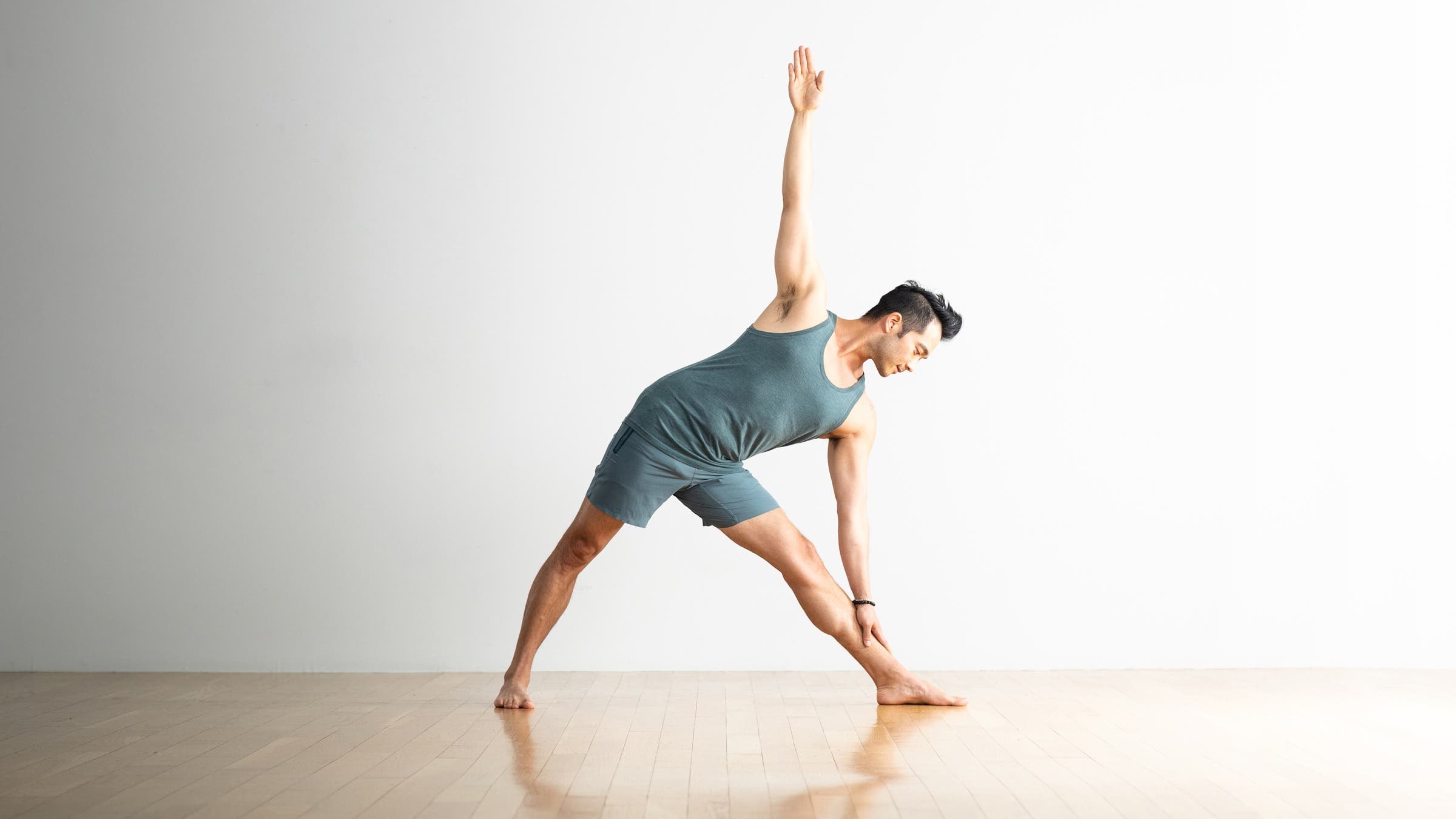
5. Extended Triangle Pose
This lateral stretch targets the latissimus dorsi and the oblique muscles. By lengthening the sides of the torso, you take the pressure off the lower lumbar region, allowing for a more balanced distribution of weight.
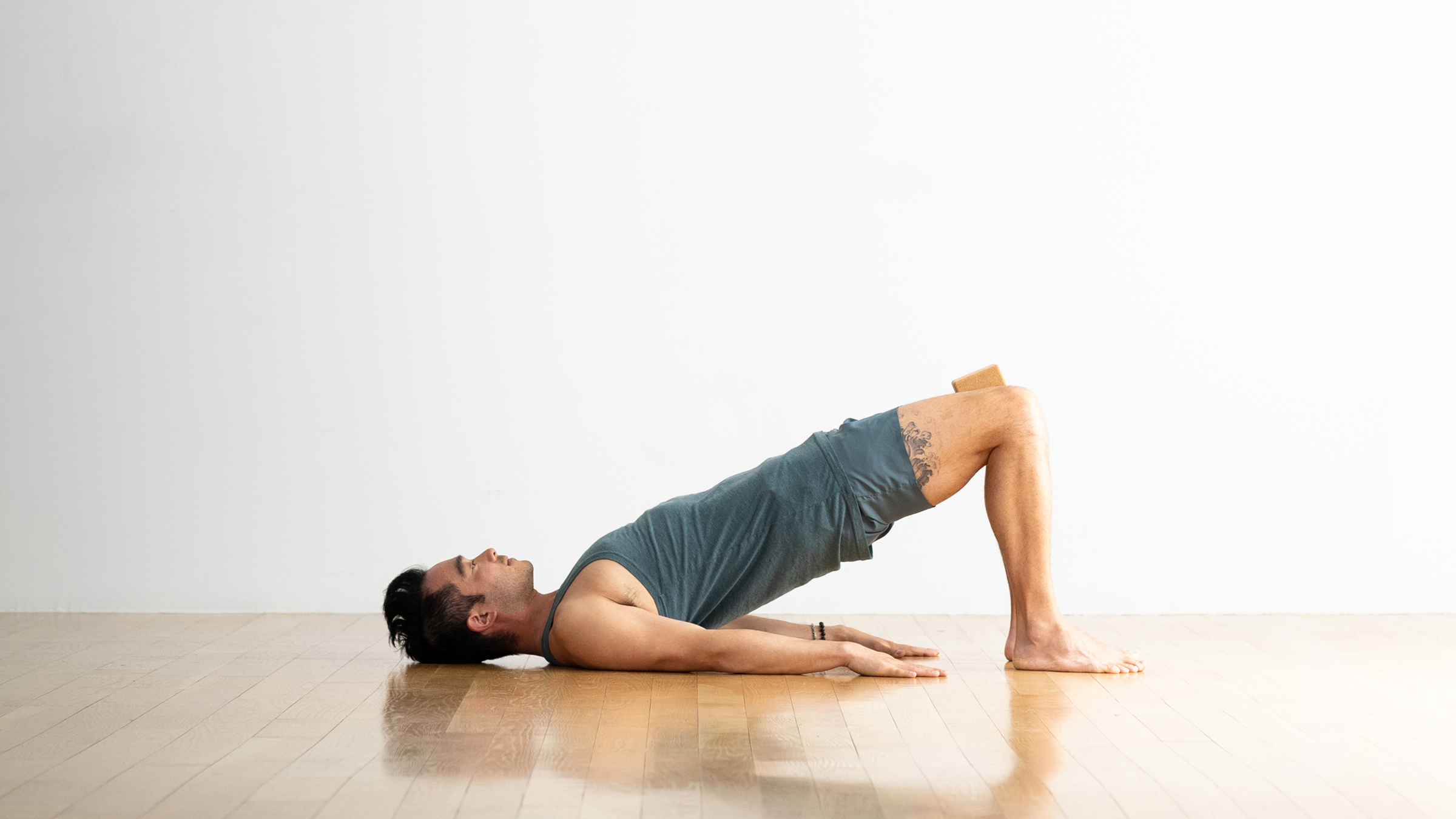
6. Bridge Pose
Bridge pose is arguably the most effective way to isolate and strengthen the gluteal muscles and the erector spinae. By lifting the hips, you train the back of the body to support the spine, preventing the "slouching" that often leads to pain.
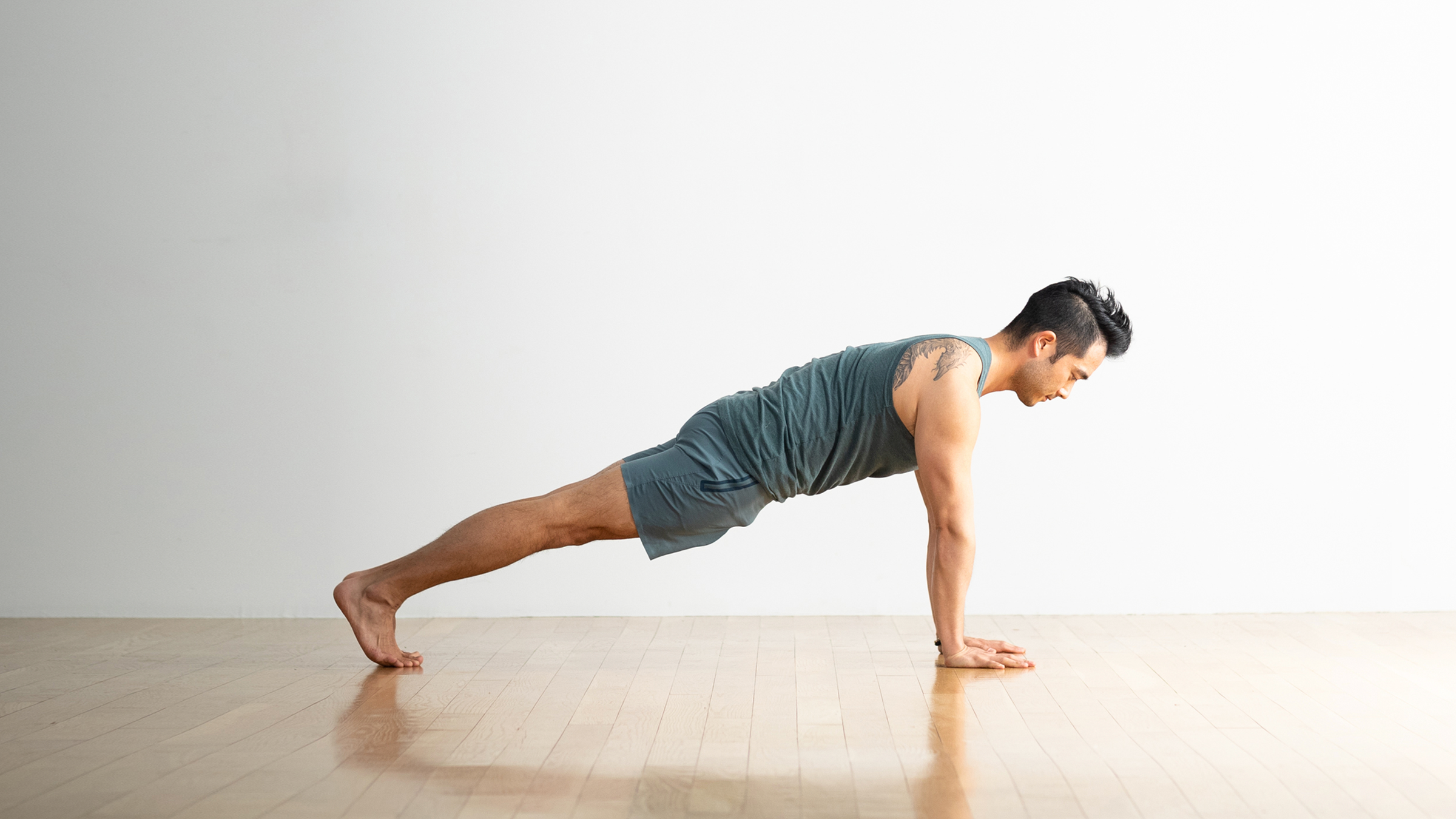
7. Plank Pose
Plank is the ultimate test of global core engagement. It requires the front, back, and sides of the torso to work in unison to hold the body in a straight line. It is essential for protecting the spine during high-impact activities.
8. Cobra Pose
Cobra provides a controlled, gentle backbend. It strengthens the muscles of the upper and middle back, which are often weakened by "tech neck" and poor posture, while simultaneously stretching the abdominal wall.
9. Locust Pose
Locust is a more focused strengthening pose for the lower back and glutes. Because it is performed belly-down, it eliminates the risk of "cheating" with momentum, forcing the spinal stabilizers to do the heavy lifting.
10. Child’s Pose
Child’s Pose is the ultimate restorative posture. It allows the back muscles to fully lengthen and relax. It serves as a mental and physical reset, signaling the nervous system to shift from a state of "fight or flight" (which increases muscle tension) to "rest and digest."
Conclusion: A Path Forward
Managing lower back pain is a marathon, not a sprint. It requires a commitment to consistency over intensity. By integrating these yoga poses into your daily routine, you are doing more than just stretching; you are building a biological infrastructure that supports your spine for years to come.
Always remember: your body is your best teacher. Listen to its signals, respect your limits, and approach your practice with patience. As the science suggests, the journey to a stronger, healthier back begins with a single, mindful movement.