










By [Your Name/Journalistic Staff]
NEW YORK — For the first time in a generation, the relentless climb of the American drug overdose crisis has hit a significant, sustained inflection point. According to preliminary data released Wednesday by the Centers for Disease Control and Prevention (CDC), approximately 70,000 Americans lost their lives to drug overdoses last year. This figure represents a 14% decline from the previous year and marks the third consecutive annual drop in mortality, signaling the longest period of abatement the nation has seen in decades.
The current death toll, while still staggering, effectively resets the national statistics to levels last seen in 2019, prior to the catastrophic acceleration of the crisis brought on by the COVID-19 pandemic. However, while public health officials and researchers are pointing to this trend as a potential fundamental shift in the arc of the epidemic, the atmosphere remains one of "cautious optimism." Experts warn that the pace of decline is slowing and that the volatility of the illicit drug supply, coupled with shifting federal policy, threatens to undo years of hard-won progress.
The Chronology of a National Emergency
To understand the current decline, one must look at the unprecedented trajectory that preceded it. For decades, the United States grappled with a steady, often ignored, rise in opioid-related deaths. However, the onset of the COVID-19 pandemic in 2020 acted as a potent accelerant.
- 2020–2021: As social isolation measures took hold and access to traditional addiction treatment centers became severely restricted, the illicit drug supply became increasingly toxic. The proliferation of fentanyl—a synthetic opioid far more potent than heroin—began to saturate the market.
- 2022: The crisis reached a tragic zenith, with overdose deaths peaking at nearly 110,000 in a single year. This period became characterized by a "perfect storm": profound mental health struggles, increased use of drugs in isolation, and the ubiquity of fentanyl in pills and powders sold as other substances.
- 2023–2025: As the pandemic’s most restrictive measures waned, the nation began a slow, multi-year descent in overdose fatalities. The current 14% year-over-year decline reflects the culmination of this three-year trend, bringing the country back to pre-pandemic baselines.
Supporting Data: Why Are Deaths Declining?
The decline is not tied to a single policy or intervention but rather a complex, multi-faceted tapestry of social, regulatory, and pharmacological shifts. Researchers and public health experts have identified several key drivers:
The Expansion of Harm Reduction
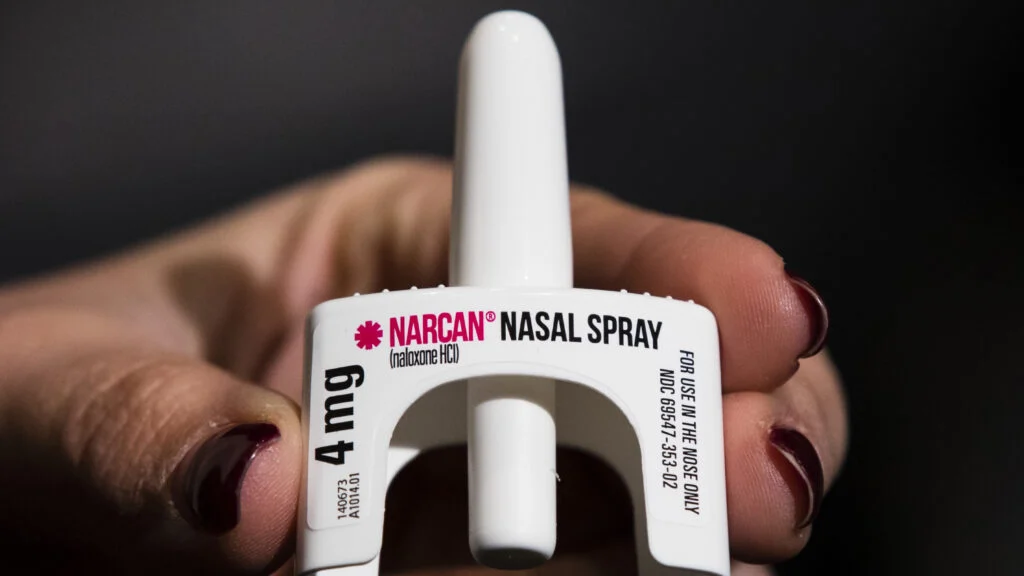
The widespread distribution of naloxone (Narcan), an overdose-reversing drug, has undoubtedly saved thousands of lives. Furthermore, billions of dollars from opioid lawsuit settlements have begun to flow into state and local coffers, funding treatment programs, recovery housing, and community-based support services that were previously underfunded.
Supply Chain Disruptions
Regulatory actions in international markets, particularly in China, have tightened the flow of precursor chemicals essential for the synthesis of fentanyl. When the supply chain is disrupted at the source, the street-level purity and availability of these substances fluctuate, potentially contributing to the overall drop in lethal outcomes.
Demographic and Behavioral Shifts
Emerging research suggests a "maturation" of the crisis. Sadly, many long-term users have passed away, and data indicates that younger generations are showing less propensity to initiate opioid use compared to the previous decade. Additionally, there has been a documented shift in how users consume drugs, with public health messaging encouraging safer practices.
Regional Disparities: The "Seven-State" Warning
While the national trend is downward, the data reveals a dangerous unevenness. The vast majority of states reported a decrease in fatalities, but seven states bucked the trend, reporting slight to moderate increases. Notably, Arizona, Colorado, and New Mexico saw jumps of 10% or more.
Brandon Marshall, a researcher at Brown University, suggests that these regional spikes are not random. They are likely tied to specific local changes in drug usage patterns—specifically the increased co-use of fentanyl and methamphetamine. "If deaths are going down rapidly, that means they can increase just as rapidly if we take our foot off the gas," Marshall cautioned. This geographic variance serves as a stark reminder that the overdose crisis is not a monolith; it is a collection of localized epidemics that react differently to policy and supply changes.
Emerging Threats: The New Chemical Frontier
Even as the death toll from traditional fentanyl drops, toxicologists are sounding the alarm on a new generation of synthetic substances. Alex Krotulski, director of the Center for Forensic Science Research and Education in Pennsylvania, notes that the illicit drug supply is in a constant state of "evolution."
In 2025, his lab identified 27 new drugs. However, in the first five months of 2026 alone, the lab has already detected 23. Among the most concerning is cyclorphine, a synthetic opioid that researchers estimate is up to 10 times more potent than fentanyl. Unlike previous iterations of the drug crisis where consumers sought specific substances, these newer, more potent agents are often introduced as "cutting agents," added to the illicit supply without the consumer’s knowledge or consent. This "adulteration" poses a lethal threat to even experienced users who have built a tolerance to fentanyl but are entirely unprepared for the potency of these newer synthetics.
Official Responses and Policy Shifts
The landscape of the federal response is undergoing a significant transition under the current Trump administration, characterized by a pivot away from "harm reduction" services toward a more traditional, punitive approach.
The Withdrawal of Support
The Substance Abuse and Mental Health Services Administration (SAMHSA) recently notified federal grant recipients that it would cease funding for test strips and kits that allow users to check for lethal additives in their drugs. Furthermore, the administration has signaled a move away from programs that facilitate "clean" drug use, including the provision of sterile syringes and dedicated hotlines for individuals currently under the influence.
A Community in Protest
These policy changes have met with intense resistance from grassroots organizations and families affected by the epidemic. Kimberly Douglas, founder of Black Moms Against Overdose, a group established after the death of her 17-year-old son, has become a vocal critic of the administration’s stance.
"We are starting to see overdoses go down in some places, and that is because of harm reduction," Douglas stated during a recent press conference. She and other advocates argue that the government’s shift toward incarceration and punishment ignores the reality that addiction is a chronic health condition. They fear that by removing the very tools that keep users alive, the administration is effectively choosing to abandon the most vulnerable populations at a time when the drug supply is becoming increasingly unpredictable.
Implications: A Fragile Future
The path forward for the United States remains precarious. The current decline in overdose deaths is a monumental achievement, yet it exists on a knife’s edge. The interplay between declining mortality and the rise of new, ultra-potent synthetics like cyclorphine suggests that the crisis is not disappearing—it is merely changing shape.
As the federal government retracts funding for harm reduction, the burden of managing this crisis will fall squarely onto the shoulders of state and local municipalities. The success of the next year will depend on whether these entities can fill the gap left by federal policy, or if the lack of intervention will lead to a resurgence in mortality.
For now, the 70,000 lives lost last year remain a stark monument to the scale of the challenge. As Brandon Marshall and other public health experts have warned, the "arc" of the crisis is indeed changing, but whether that arc bends toward long-term recovery or a new, deadlier phase of the epidemic remains the defining public health question of the decade. The data shows that progress is possible, but it is not guaranteed. In the shadow of the current policy shifts and the rapid evolution of the illicit drug market, the nation finds itself in a period of transition where vigilance is the only viable strategy.