








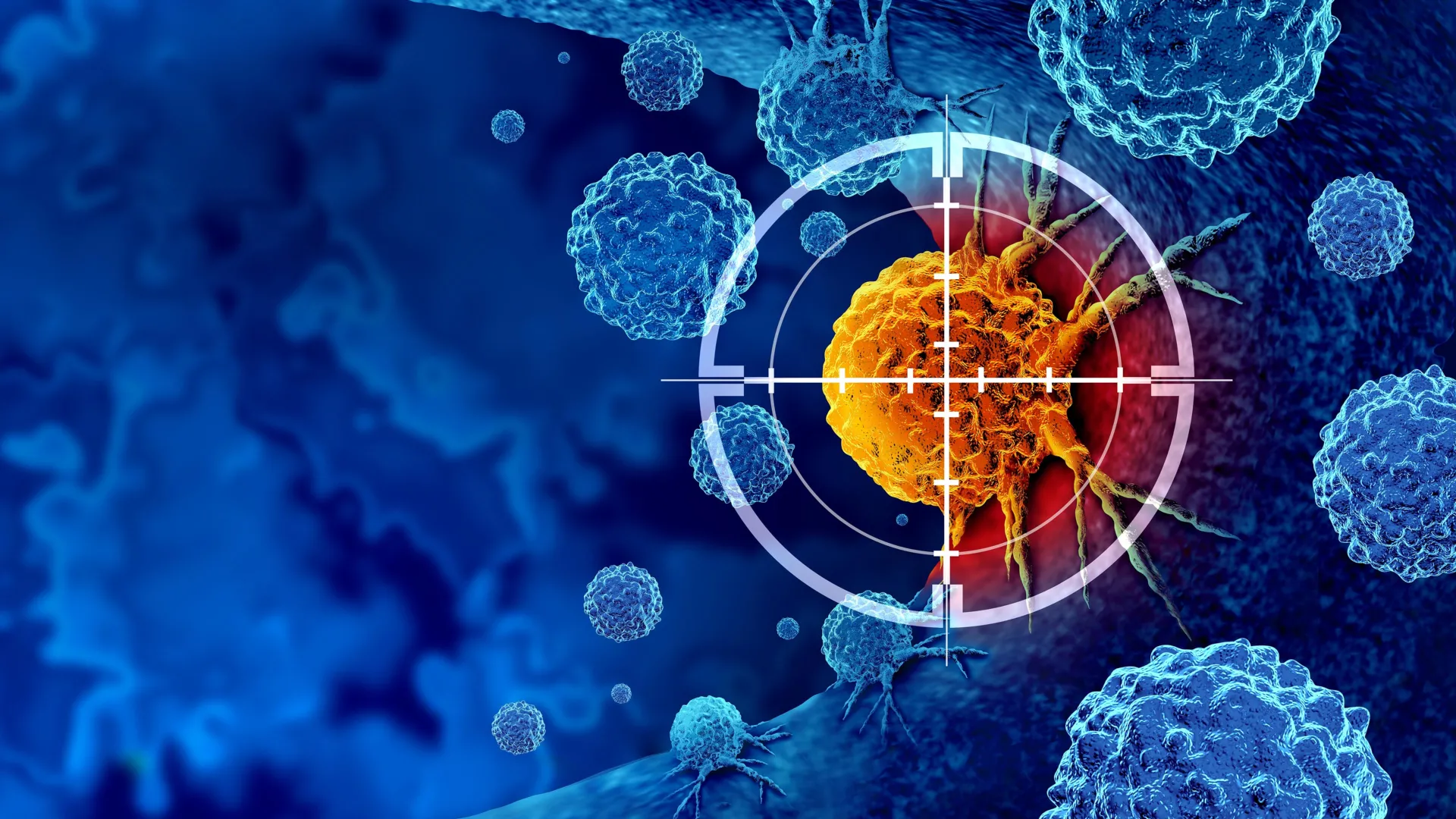
For decades, zeaxanthin has been a staple of the supplement aisle, relegated primarily to the status of a "vision vitamin." Often paired with lutein, this carotenoid—naturally abundant in leafy greens like kale and spinach, as well as orange peppers—is widely recognized for its ability to protect the retina from oxidative stress and light-induced damage. However, a groundbreaking study from the University of Chicago, recently published in Cell Reports Medicine, suggests that we have been significantly underestimating this plant-derived pigment.
Researchers have discovered that zeaxanthin possesses a potent, previously unknown biological function: it acts as a molecular "supercharger" for the immune system, specifically enhancing the ability of T cells to identify and eradicate cancerous tumors. This finding not only sheds new light on the interplay between nutrition and oncology but also offers a potentially inexpensive, accessible, and safe avenue to amplify the efficacy of modern cancer immunotherapies.
The Main Facts: A New Frontier in Nutritional Immunology
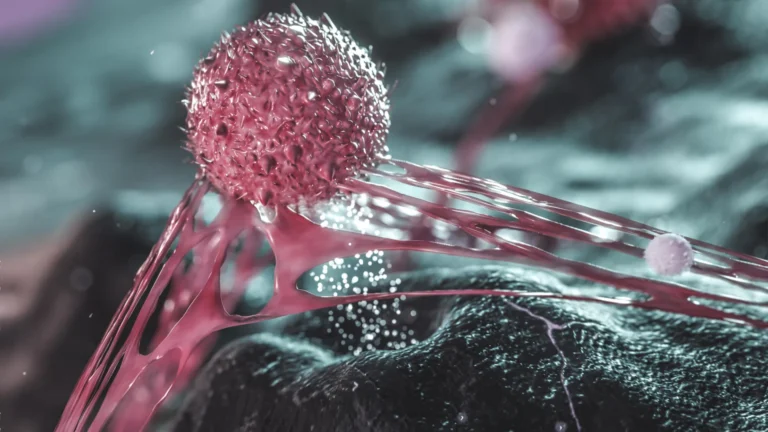
At the heart of the study is a fundamental shift in how we view dietary intake in the context of disease treatment. Led by Dr. Jing Chen, the Janet Davison Rowley Distinguished Service Professor of Medicine at the University of Chicago, the research team sought to map the "nutritional landscape" of the immune system. By analyzing a vast library of nutrients present in human blood, the researchers were looking for compounds that could influence the behavior of CD8+ T cells—the "killer" cells responsible for patrolling the body and destroying malignant invaders.
The study identified zeaxanthin as a standout candidate. When introduced to the cellular environment, zeaxanthin does not merely act as an antioxidant; it actively modulates the T-cell receptor (TCR) complex. By stabilizing this structure, zeaxanthin improves the signaling pathways that occur when a T cell encounters a tumor cell. This biochemical boost leads to heightened activation, increased production of tumor-killing cytokines, and a more aggressive and efficient immune response.
Crucially, the research demonstrates that zeaxanthin does not work in a vacuum. Its most significant impact is observed when it is combined with existing immune checkpoint inhibitors—the blockbuster class of immunotherapy drugs that have already revolutionized the treatment of cancers like melanoma and lung cancer. In animal models, the combination of zeaxanthin and immunotherapy resulted in a more profound reduction in tumor volume than the use of immunotherapy alone.
Chronology: Mapping the Discovery
The journey to this discovery began years ago, driven by Dr. Chen’s long-standing interest in how dietary components shape the immune landscape. The laboratory’s work is grounded in the field of nutritional immunology, which seeks to decode the molecular mechanisms by which specific nutrients interact with immune cell function.
The Developmental Timeline:
- Initial Screening (Pre-2022): The team initiated a high-throughput screening process, analyzing hundreds of blood-borne nutrients to determine which compounds correlated with enhanced T-cell performance.
- Target Identification (2022–2023): Zeaxanthin emerged as a top hit. Researchers performed a series of biochemical assays to observe how the molecule interacted with the T-cell receptor. They discovered that zeaxanthin facilitates the clustering of receptors, creating a more stable "docking" process between the T cell and the cancer cell.
- In Vivo Validation (2023): Using mouse models, the team tested whether oral supplementation could replicate the findings observed in the laboratory. The results were consistent: mice fed a diet supplemented with zeaxanthin showed a marked decrease in tumor progression.
- Translational Testing (2024): The team transitioned to human-derived cells. They engineered T cells to target specific cancer markers and exposed them to zeaxanthin. The result was a dramatic improvement in the cells’ ability to destroy human melanoma, multiple myeloma, and glioblastoma cells in a lab setting.
- Publication (Late 2024): The full findings were codified in Cell Reports Medicine, setting the stage for future clinical trials.
Supporting Data: How Zeaxanthin Empowers T Cells
The efficacy of CD8+ T cells is largely dependent on their ability to recognize an antigen—a protein or marker on the surface of a cancer cell—and initiate a kill sequence. This process relies on the T-cell receptor (TCR). If the TCR signaling is weak, the T cell may fail to recognize the cancer cell or become "exhausted" before it can finish the job.
The UChicago study found that zeaxanthin acts as a stabilizer for the TCR complex. When a T cell approaches a target, the TCRs must cluster together to trigger a signal. Zeaxanthin facilitates this clustering, ensuring that the "kill" signal sent to the T cell’s nucleus is robust.
In laboratory experiments using human T cells engineered for specific malignancies, the presence of zeaxanthin increased the cytotoxic output of these cells. Furthermore, in animal studies, the addition of zeaxanthin to the diet of tumor-bearing mice showed a synergistic effect with immune checkpoint inhibitors (ICI). While ICIs work by taking the "brakes" off the immune system, zeaxanthin appears to provide the "gas," making the immune cells more sensitive and responsive to the presence of cancer.
Official Responses and Expert Perspective
The implications of these findings have sent ripples through the oncology community. Dr. Jing Chen, the study’s senior author, emphasized that this is not merely a "supplement story," but a fundamental shift in how we understand the molecular interaction between diet and therapy.
"We were surprised to find that zeaxanthin, already known for its role in eye health, has a completely new function in boosting anti-tumor immunity," Dr. Chen said in a university press release. "Our study shows that a simple dietary nutrient could complement and strengthen advanced cancer treatments like immunotherapy."
The research team is particularly optimistic about the "translational potential" of their work. Because zeaxanthin is already a widely available, over-the-counter supplement, the regulatory hurdles to testing it in a clinical setting are significantly lower than those for a novel synthetic drug.
"Our data show that zeaxanthin improves both natural and engineered T-cell responses, which suggests high translational potential for patients undergoing immunotherapies," Dr. Chen noted. However, the team remains cautious, emphasizing that while the molecular mechanism is clear, human clinical trials are essential to determine the optimal dosage and safety profile for cancer patients.
Implications: A New Pillar of Cancer Care?
The broader implications of this research are twofold: the immediate potential for zeaxanthin as an adjunct therapy, and the long-term potential of nutritional immunology as a new discipline.
1. Enhancing Existing Therapies
Immunotherapy is often expensive and comes with a risk of significant side effects. If zeaxanthin can improve the efficacy of these treatments, it could potentially allow for lower doses of drugs or provide a path for patients who are currently unresponsive to immunotherapy. Its low cost and wide availability make it an ideal candidate for improving the accessibility of high-quality cancer care.
2. The Power of Dietary Synergy
This discovery follows previous work from Dr. Chen’s lab, which identified trans-vaccenic acid (TVA)—a fatty acid found in dairy and meat—as another potent enhancer of T-cell function. These discoveries suggest that the immune system is a complex engine that runs on a variety of specific, natural inputs. By identifying these "fuel" sources, researchers hope to create "immunogenic diets" that patients can follow to support their medical treatments.
3. Future Clinical Directions
The next phase of this research will involve clinical trials to determine if oral zeaxanthin supplementation can meaningfully impact survival rates or tumor regression in human patients. Researchers will need to evaluate whether the levels of zeaxanthin achieved through diet alone are sufficient, or if concentrated supplementation is required to achieve the therapeutic effects observed in the lab.
Conclusion: Caution and Hope
While the findings are undeniably promising, the researchers urge patients not to attempt to "self-medicate" with high doses of zeaxanthin before consulting their oncology teams. Clinical cancer care is a complex field, and the interaction between supplements and chemotherapy or immunotherapy agents can be unpredictable.
"Our findings open a new field of nutritional immunology that looks at how specific dietary components interact with the immune system at the molecular level," Dr. Chen concluded. "With more research, we may discover natural compounds that make today’s cancer therapies more effective and accessible."
As the scientific community turns its attention toward these clinical trials, the story of zeaxanthin serves as a powerful reminder: the next great breakthrough in cancer treatment may not be found in a high-tech laboratory test tube, but in the simple, fundamental chemistry of the foods we eat. Through the lens of nutritional immunology, the dinner plate may eventually become as important as the pharmacy shelf.
The study, "Zeaxanthin augments CD8+ effector T cell function and immunotherapy efficacy," was supported by grants from the National Institutes of Health, the Ludwig Center at the University of Chicago, and the Harborview Foundation Gift Fund.