








By Editorial Staff | May 13, 2026
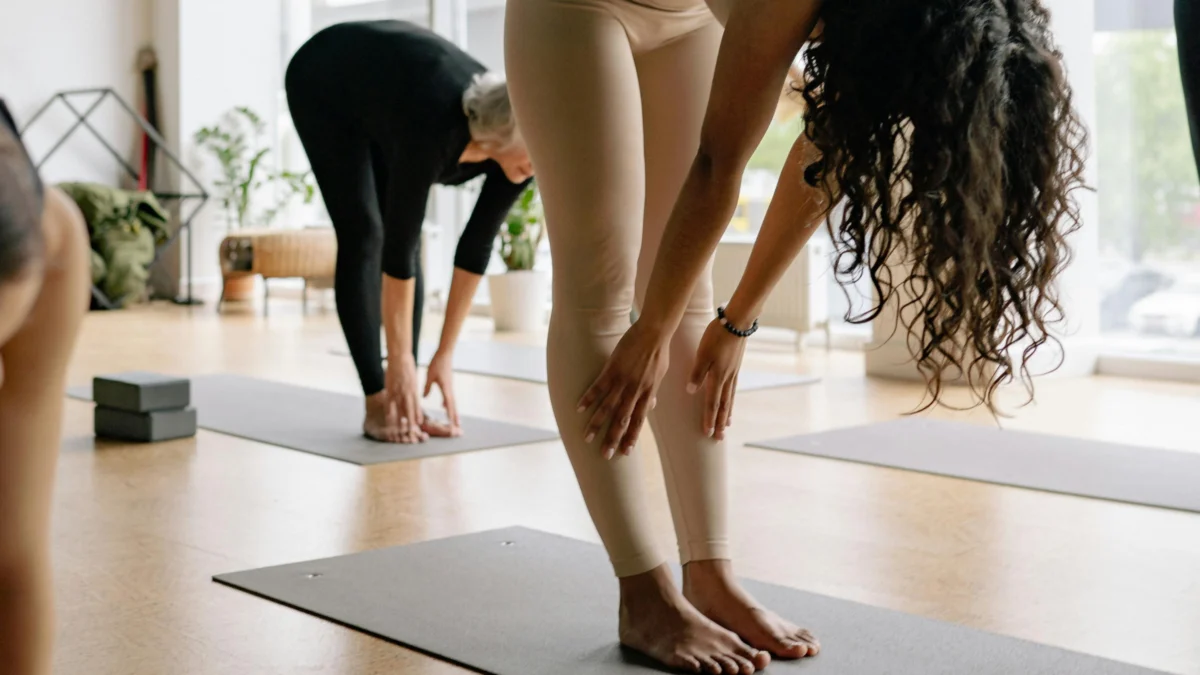
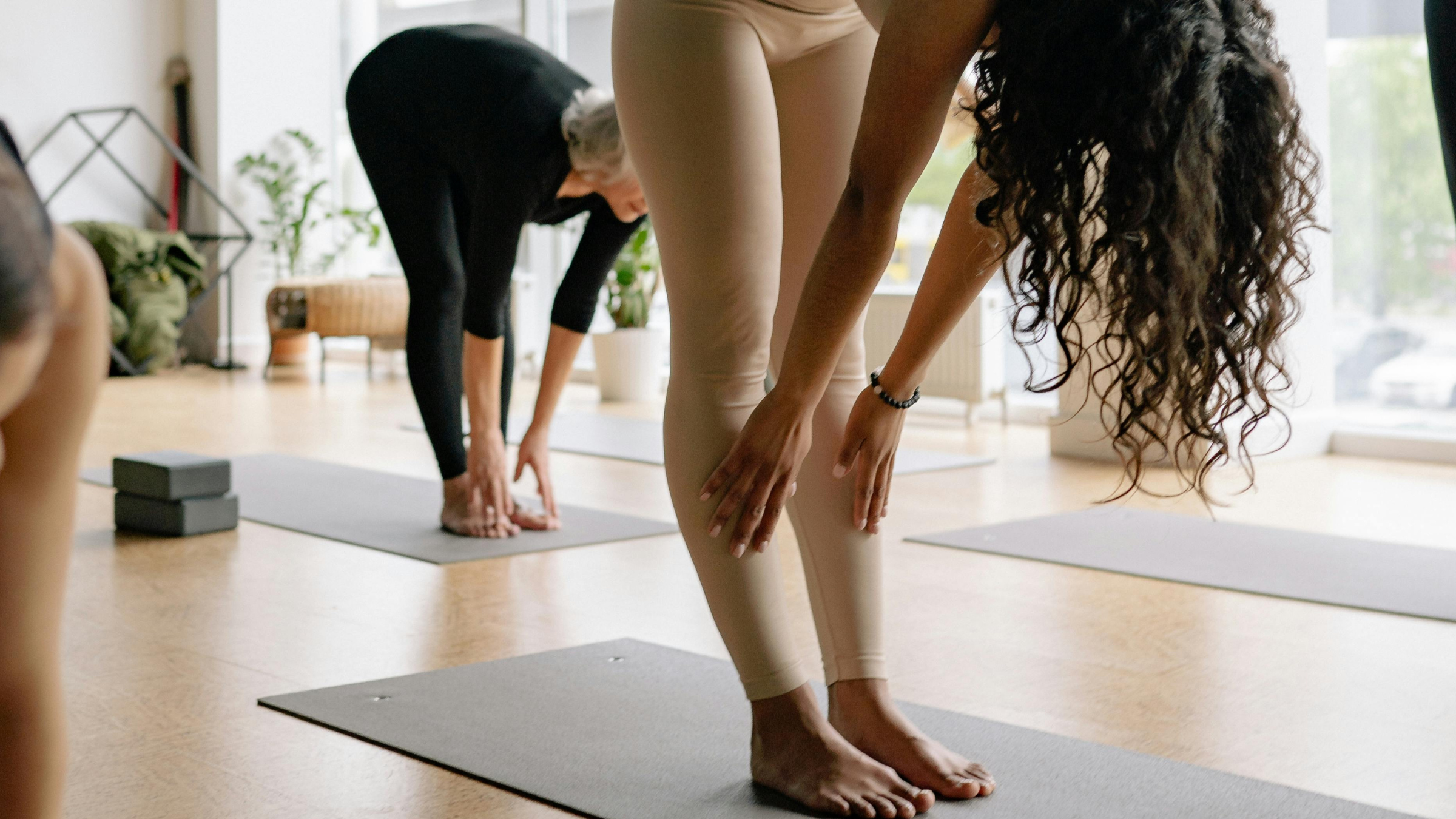
For decades, the global yoga community has operated under an unspoken, aesthetic-driven mandate: to look better, to stretch further, and to achieve the most advanced expression of a pose. For many practitioners and teachers, the Standing Forward Fold (Uttanasana) served as the ultimate metric of physical success. However, a seismic shift is occurring in how we define "progress" on the mat. Recent discourse, sparked by a viral reflection on injury and surrender, suggests that the digital age is finally moving away from the "highlight reel" culture of perfection toward a more raw, authentic exploration of human limitation.
The Chronology of an Identity Crisis
For years, the author of this movement—a veteran yoga instructor—viewed the Standing Forward Fold as the singular benchmark for her physical evolution. Living with chronic back pain, she saw the ability to fold deeply, chest to thighs, as a symbol of liberation from her physical constraints.
"The idea of intensifying the stretch felt like my chance at a new identity," she notes. Her practice was defined by a relentless upward trajectory: from basic folds to standing on blocks, constantly seeking the "next level" of flexibility.
Then, the narrative changed abruptly. A severe spinal injury, complicated by a history of spinal stenosis, transformed her greatest tool into her greatest obstacle. Suddenly, the pose that once signaled mastery became a stark, daily reminder of her physical vulnerability.
This transition period was not merely a physical setback but a psychological crossroads. "Returning to my mat felt like starting over," she explains. "But this time, something in me had changed. I no longer wanted to push my body’s limits. It felt like yoga was no longer about achieving the most demanding expression of a pose, but restoring my body to balance."
This period of forced stillness led to a radical re-evaluation of yoga philosophy. For the first time, the concept of "surrender"—a core tenet of the practice—moved from a theoretical concept to a lived experience. She began to prioritize ease over depth, utilizing props not as training wheels for a "greater" pose, but as necessary tools for compassionate participation.
The Social Media Paradox: Perfection vs. Reality
The digital landscape has long been dominated by the "glow-up" culture. On platforms like Instagram and TikTok, the yoga space has historically been saturated with hyper-flexible, aesthetic-heavy content. While often intended as inspirational, this curated imagery creates a subconscious pressure for practitioners to present only their best, most "advanced" selves.
The author found herself caught in this paradox: she was internally embracing her regression, yet feeling the external pressure to maintain the image of the "perfect" yoga teacher. This tension came to a head when she decided to post a video detailing her struggle and her decision to modify her practice.
The apprehension was palpable. There was a genuine fear that transparency would lead to professional repercussions. "Would people judge me for being a yoga teacher who could no longer do the pose the way she used to? Would I lose followers? Would it affect my business?" these were the questions that haunted her before hitting "publish."
Supporting Data: A Viral Movement of Empathy
The response to this act of vulnerability shattered all expectations. The video, which highlighted the contrast between her former flexibility and her current, modified practice, did not receive the backlash she feared. Instead, it catalyzed a massive, global conversation.
Within one year of posting, the content has garnered staggering statistics:
- Total Views: Over 60 million across Instagram and YouTube.
- Engagement: More than 1 million likes.
- Community Interaction: Over 7,000 comments, the vast majority of which were personal accounts of practitioners experiencing their own "regressions," injuries, or periods of frustration.
This data suggests a fundamental shift in audience appetite. The sheer volume of engagement indicates that the yoga community is starving for authenticity. Users are not looking for unreachable standards; they are seeking their own humanity reflected in the lives of their teachers.
Professional Perspectives and Industry Implications
The implications of this viral moment extend far beyond one teacher’s practice. It challenges the yoga industry to rethink how it markets wellness.
The Shift Toward Compassionate Coaching
For fitness professionals and yoga instructors, the takeaway is clear: the "perfection" model is losing its efficacy. The new standard of leadership in the wellness space is defined by accessibility and compassion. When teachers openly discuss their limitations, they lower the barrier to entry for students who are intimidated by the "Instagram-perfect" version of yoga.
Redefining Progress
In a professional context, "progress" is being redefined. It is no longer measured by the angle of a stretch or the complexity of a bind. Instead, it is being measured by the sustainability of the practice and the practitioner’s ability to remain present with their current reality. This is a critical development for injury prevention and long-term athletic health.
The Psychological Component
Mental health professionals in the sports and wellness sectors have long argued that the pressure to perform at peak capacity—regardless of physical state—is a primary cause of burnout and chronic injury. By modeling "surrender," the author has provided a psychological blueprint for students to detach their self-worth from their physical performance.
Embracing the "Now": The Future of the Practice
As the dust settles on this viral moment, the broader lesson remains: yoga is not a contest of endurance or flexibility. It is a tool for self-awareness.
"I no longer pay attention to how far I can stretch, but rather how I feel while I’m in it," the author states. This shift from an external focus (what the pose looks like) to an internal focus (what the pose feels like) is the hallmark of a mature practice.
The industry is now faced with a choice: continue to perpetuate the illusion of the "perfect yogi," or lean into the messy, uncomfortable, and deeply human reality of physical practice. If the 60 million views on her video are any indication, the world has already made its choice. They are ready for a version of yoga that holds space for everyone—the injured, the aging, the beginner, and the expert—without judgment or the need for performance.
In the end, the most advanced yoga pose isn’t the deepest fold or the highest handstand. It is the ability to show up on the mat exactly as you are, and to find peace in that reality. By letting go of the version of herself she used to be, the author did not lose her identity as a teacher; she discovered a more resonant, authentic, and truly inspiring one. The era of the "perfect pose" may be ending, but the era of the "authentic practice" is just beginning.