






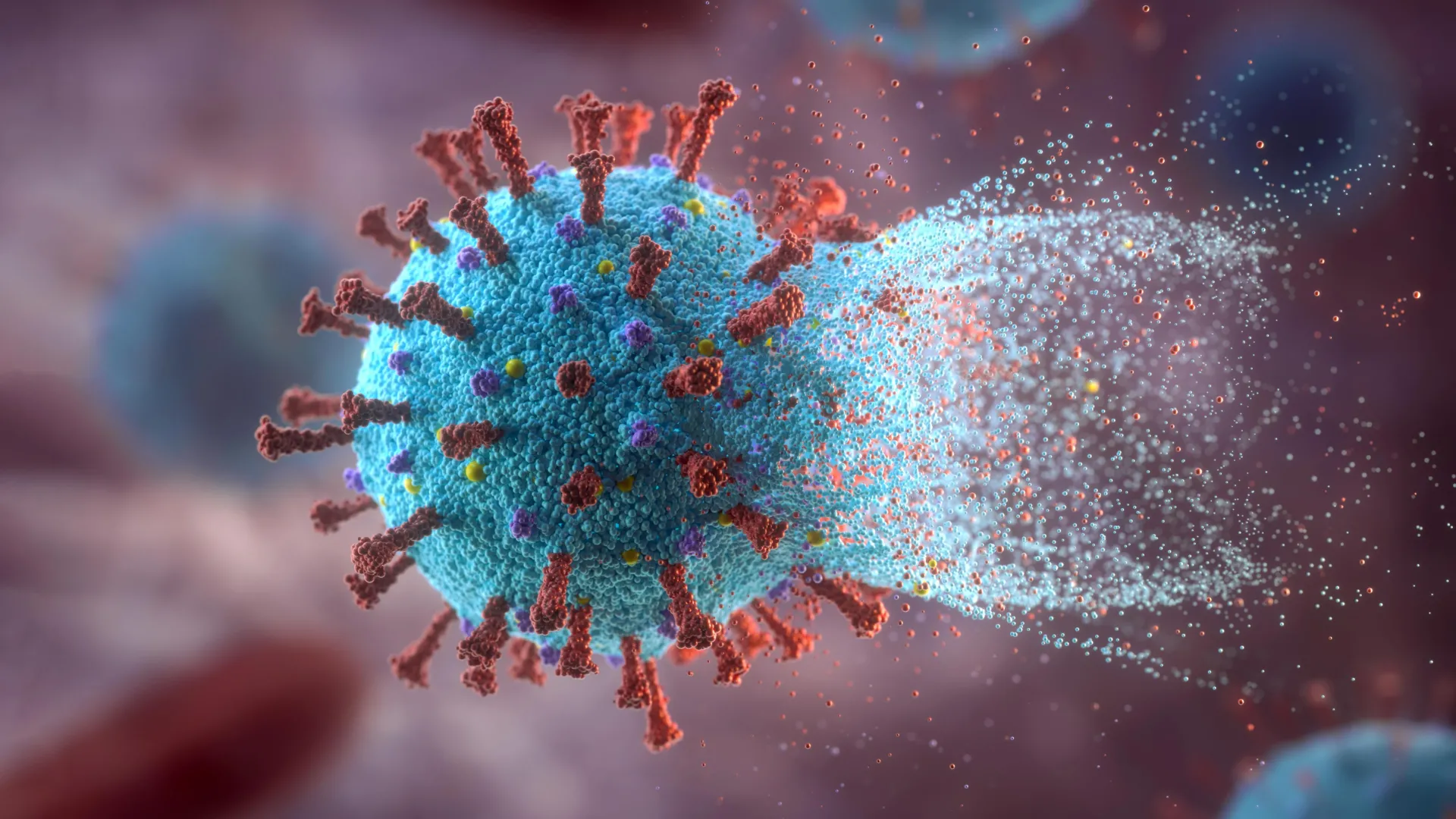
In the ongoing global quest to fortify our defenses against future viral threats, researchers have turned their gaze toward the dense, biologically diverse canopy of Brazil’s Atlantic Forest. A team of international scientists has identified a promising group of natural compounds—known as galloylquinic acids—derived from the leaves of Copaifera lucens Dwyer, a tree native to the region. These molecules exhibit a robust, multi-faceted ability to neutralize the SARS-CoV-2 virus, offering a potential breakthrough in antiviral drug development.
The study, published in the journal Scientific Reports, suggests that these compounds do not merely strike at one aspect of the virus; rather, they disrupt multiple stages of the viral life cycle. This "multi-target" approach represents a significant departure from many existing antiviral treatments, which often focus on a single viral protein, inadvertently creating an evolutionary pressure that encourages the virus to develop resistance.
The Genesis of a Discovery: A Chronology of Research
The identification of Copaifera lucens as a pharmacological candidate was not a stroke of serendipity, but the culmination of decades of meticulous botanical and chemical inquiry.
Foundations in Phytochemistry
The research was spearheaded by Professor Jairo Kenupp Bastos of the Ribeirão Preto School of Pharmaceutical Sciences at the University of São Paulo (FCFRP-USP). For years, Bastos and his team have cataloged the medicinal properties of the Copaifera genus. This deep institutional knowledge of Brazilian flora provided the necessary roadmap to isolate specific leaf extracts that held the highest promise for therapeutic application.
From Isolation to In Vitro Testing
With financial and strategic support from the São Paulo Research Foundation (FAPESP), the team moved from botanical identification to rigorous chemical isolation. The process involved:
- Extraction and Characterization: The researchers isolated and purified galloylquinic acids from C. lucens leaves, ensuring their chemical purity for testing.
- Cytotoxicity Screening: Before any antiviral activity could be confirmed, the team performed extensive cell safety tests. This ensured that the concentrations required to kill the virus would not be harmful to human host cells.
- Plaque Reduction Assays: Utilizing standardized plaque reduction assays—the gold standard for measuring viral neutralization—the researchers confirmed that the compounds effectively inhibited the proliferation of SARS-CoV-2.
Collaborative Expansion
The project’s scope expanded significantly through a collaboration with Egyptian researchers, including Mohamed Abdelsalam (Delta University of Science and Technology and Pompeu Fabra University), Professor Lamiaa A. Al-Madboly (Tanta University), and Associate Professor Rasha M. El-Morsi (Delta University). This international partnership allowed for a deep-dive molecular analysis, blending expertise in pharmacognosy, microbiology, and molecular modeling.
Mechanism of Action: How Galloylquinic Acids Work
The most compelling aspect of the research is the discovery that galloylquinic acids interfere with the virus at several critical junctures. By acting on multiple targets simultaneously, the compound effectively "boxes in" the pathogen.
Blocking Viral Entry
The virus relies on its "spike protein" to bind to ACE2 receptors on human cells, effectively unlocking the door for infection. The researchers found that the compounds from C. lucens interact directly with the receptor-binding domain of this spike protein, potentially preventing the virus from ever gaining entry into the cell.
Disrupting Replication and Protein Production
Once inside a cell, a virus must hijack the host’s machinery to replicate its genetic material and produce viral proteins. The study suggests the compounds interfere with:
- Papain-like protease (PLpro): This enzyme is essential for the virus to evade the host’s innate immune response. By inhibiting PLpro, the compounds help keep the host’s "immune alarm" system active.
- RNA Polymerase: The engine room of viral replication, RNA polymerase is responsible for copying the viral genome. The study indicates that the compounds hinder this process, slowing the spread of the virus within the host.
Immunomodulatory and Anti-Inflammatory Effects
Beyond direct antiviral action, the compounds appear to possess anti-inflammatory properties. In the context of COVID-19, where the most severe damage is often caused by the body’s overactive immune response (the "cytokine storm"), the ability to regulate inflammation is a therapeutic advantage of significant clinical value.
Supporting Data: Why This Matters
Galloylquinic acids are not strangers to the scientific community, which provides a level of confidence in their potential efficacy. Previous studies have consistently highlighted their biological versatility.
- Broad-Spectrum Potential: These compounds have historically demonstrated antifungal and anticancer activity in both in vitro (test tube) and in vivo (living organism) models.
- HIV-1 Inhibition: In prior experiments, similar compounds were found to strongly inhibit HIV-1. Crucially, these trials noted a high therapeutic index, meaning the compounds were effective at killing the virus while maintaining low toxicity toward human tissues.
- Overcoming Resistance: "An important aspect revealed by this information is the multi-target mechanism of the compound, which reduces the likelihood of resistance developing," notes Professor Bastos. "Many current antivirals act on only one viral protein, which promotes the development of resistant viral strains. By hitting multiple targets, we make it significantly harder for the virus to adapt."
Official Perspectives: The Path Forward
The research team emphasizes that while the laboratory results are profound, they are merely the beginning of a long journey toward clinical application.
"This integrated approach allowed us to understand how the compounds work and how they act at the molecular level," explained Mohamed Abdelsalam. The collaborative nature of the study underscores the necessity of interdisciplinary work in modern pharmacology, where expertise in microbiology must be paired with natural product chemistry to navigate the complexities of viral interaction.
The Hurdles to Clinical Use
For the scientific community, the transition from in vitro success to human medicine is a rigorous one. Future phases of the research will focus on:
- Animal Models: Evaluating the efficacy and pharmacokinetics of the compounds in living animal models to observe how the body absorbs, distributes, and metabolizes the substances.
- Clinical Trials: Should animal trials prove successful, phase-one human trials will be required to establish safety and dosage protocols.
- Standardization: Developing a consistent, large-scale extraction method that ensures the potency and safety of the compound across different batches.
Implications: Biodiversity as a Strategic Resource
This study serves as a potent reminder of the hidden wealth contained within global biodiversity, particularly within the threatened ecosystems of the Atlantic Forest.
The Case for Conservation
The Copaifera lucens tree is more than just a biological specimen; it is a potential pharmaceutical powerhouse. The destruction of such habitats does not just represent an environmental loss; it represents the loss of potential life-saving medicines that have not yet been discovered. The research reinforces the concept of "bioprospecting"—the systematic search for new chemicals and genes in nature—as a pillar of modern medicine.
A Global Strategy for Future Pandemics
As the world continues to grapple with the evolution of SARS-CoV-2 and the threat of future zoonotic diseases, the focus on natural, multi-target inhibitors is likely to grow. The ability to source potential antivirals from resilient plant species provides a sustainable and environmentally conscious alternative to the often-costly and time-consuming process of purely synthetic drug design.
Conclusion
The identification of galloylquinic acids as a multi-target inhibitor of SARS-CoV-2 is a testament to the power of international collaboration and the enduring importance of botanical research. While there is still a significant distance to travel before these compounds find their way into a pharmacy, the work of Professor Bastos, Professor Al-Madboly, and their colleagues has opened a promising new chapter in our defense against viral pathogens. By looking to the canopy of the Brazilian forest, scientists are uncovering the tools necessary to combat the microscopic threats that define our era.