



As chronic respiratory conditions continue to climb the list of global health burdens, a pioneering initiative is shifting the focus from reactive treatment to proactive education. The LungHealth4Life (LH4L) project, coordinated by the European Lung Foundation (ELF) through the Lungs Europe umbrella, is currently transforming how children, families, and schools perceive respiratory wellness. By integrating clinical lung function testing with classroom-based education, the project is building a foundation for healthier lungs in some of Europe’s most vulnerable communities.
Main Facts: The Blueprint of LH4L
The core philosophy of LungHealth4Life is simple yet profound: lung health is not merely a genetic lottery but a dynamic outcome shaped by early-life environments. The project addresses the reality that air pollution, substandard housing, and socio-economic inequality are primary drivers of respiratory dysfunction that manifest later in adulthood.
Through a collaborative network of six European partners, ELF coordinates a multifaceted approach. The initiative operates on three primary pillars:
- Educational Outreach: Curricula tailored for primary school children to demystify lung function.
- Clinical Integration: On-site spirometry (lung function) testing to provide children with immediate, personalized data.
- Community Engagement: Workshops designed to bridge the gap between classroom learning and home-based health practices.
By targeting schools in areas with significant social and economic challenges, LH4L ensures that the communities most at risk of respiratory issues receive the tools they need to advocate for their own health.
Chronology: From Pilot Phases to European Expansion
The implementation of LH4L has been a study in adaptability and cross-border cooperation.
- Initial Concept & Development: ELF and its partners identified the need for early-intervention models that could bypass the barriers of traditional healthcare systems, which often fail to reach disadvantaged populations until symptoms are severe.
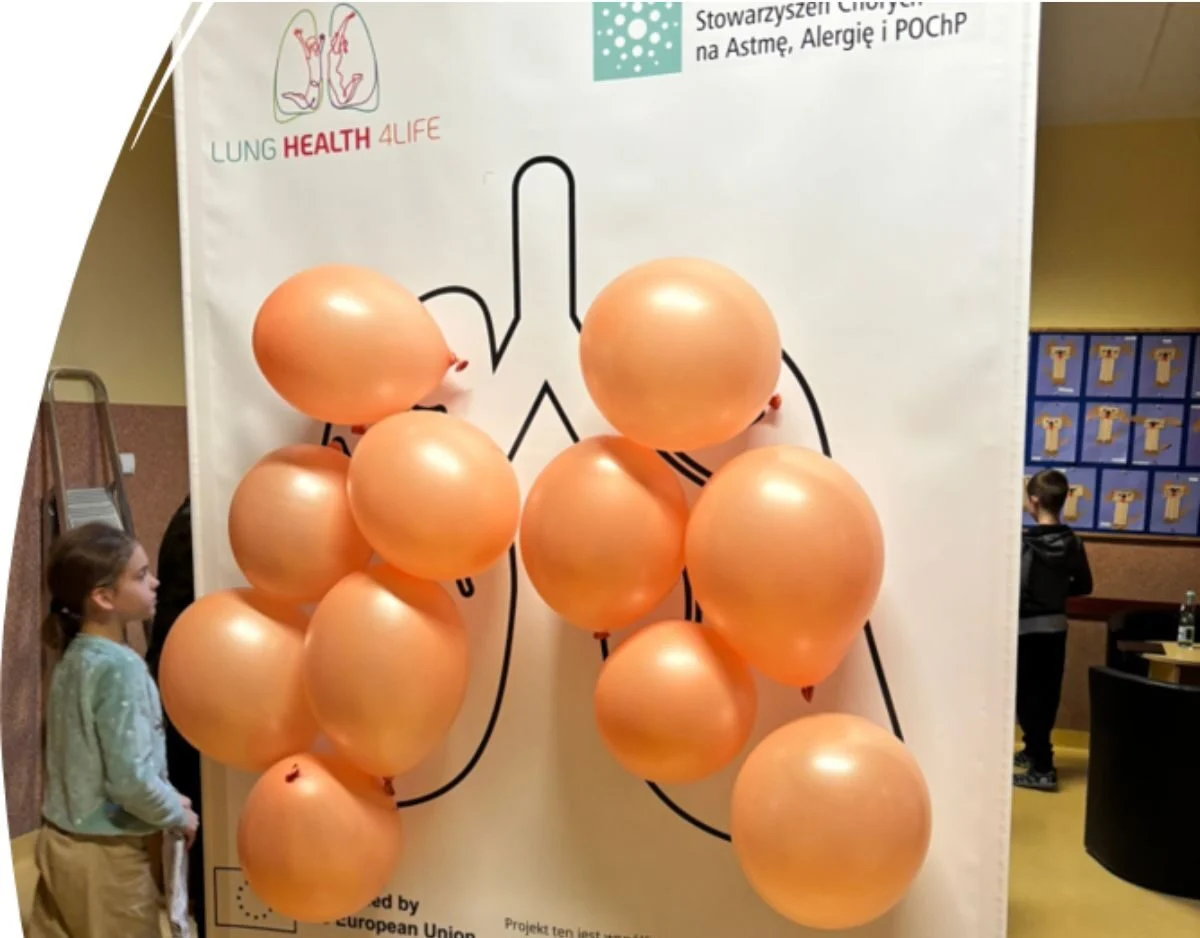
- The Polish Pilot (Legionowo): The project launched its first major intervention in Legionowo, a town near Warsaw grappling with high pollution levels. Partnering with the Polish Federation of Asthma, Allergy and COPD Patients’ Associations, the team engaged children aged 7–12. Despite early logistical hurdles—specifically regarding the collection of parental health data—the team pivoted by creating instructional videos. This technological intervention smoothed the process, resulting in 144 successful spirometry screenings.
- The Portuguese Expansion (Vila Real de Santo António): Following the Polish experience, the project moved to southern Portugal. Partnering with the Portuguese Association of General and Family Medicine, the team reached 306 children. This phase emphasized teacher and parent workshops, ensuring the initiative was not just a one-off event but a sustainable conversation within the household.
- Future Trajectory: The project is currently preparing for its next phase in Hungary, where approximately 300 pupils are slated for participation. Concurrently, follow-up studies are being conducted in Poland and Portugal to measure the long-term retention of knowledge and changes in daily health behaviors.
Supporting Data: Addressing the Respiratory Divide
The urgency of the LH4L project is underscored by sobering statistics regarding the impact of environment on lung development. Research consistently indicates that the first decade of life is a critical window for lung growth. Exposure to particulate matter (PM2.5), indoor allergens, and poor ventilation during these years can result in permanent deficits in lung capacity.
In the project’s target areas, the statistics are telling. In Legionowo, the combination of environmental stressors and socio-economic instability necessitated a localized approach. The data collected from the 144 children in Poland and 306 in Portugal serves as a baseline for understanding how early education can mitigate these risks.
Notably, the project identified that when parents are involved through workshops, the quality of health reporting increases significantly. By replacing complex medical jargon with accessible, visual aids (such as the explanatory videos created in Poland), the project successfully removed the "literacy barrier" that often prevents marginalized families from accessing standard medical information.
Official Responses and Stakeholder Perspectives
The success of LH4L rests on the cooperation between medical professionals and educational institutions.
Dr. [Representative Name/Partner Spokesperson], involved in the Portuguese rollout, noted: "By integrating the Portuguese Association of General and Family Medicine into the school day, we transformed the school from a place of learning to a hub of preventative care. We aren’t just telling children to breathe cleaner air; we are showing them exactly how their lungs perform and what that means for their future."
The Polish Federation of Asthma, Allergy and COPD Patients’ Associations has similarly highlighted the importance of "demedicalizing" the testing process. By conducting spirometry in the familiar environment of a school, the "white-coat anxiety" often associated with clinical settings is minimized, allowing for more accurate readings and a more positive experience for the child.
From the perspective of the European Lung Foundation, the project serves as a template for policy change. ELF representatives emphasize that the goal is not just to educate individual children, but to provide the evidentiary basis for a systemic shift in how schools incorporate health literacy into their standard operational procedures.
Implications: A Sustainable Vision for Lung Health
The implications of the LungHealth4Life project extend far beyond the classroom. If the data gathered from the ongoing follow-up studies confirms that children have indeed internalized these lessons and that parents have adjusted home environments accordingly, the project will provide a roadmap for EU-wide policy.
Addressing Health Inequalities
By prioritizing schools in socio-economically disadvantaged areas, LH4L acts as a social equalizer. In many European regions, access to specialized respiratory knowledge is tied to income. LH4L disrupts this cycle by delivering high-quality, clinical-grade testing to the doorstep of the children who need it most.
The Policy Potential
The project’s findings are intended to inform future public health policies. ELF is currently using the project’s dissemination channels to ensure that local policymakers understand the cost-effectiveness of these school-based programs. By investing in early awareness, governments could potentially reduce the long-term economic burden of treating chronic obstructive pulmonary disease (COPD) and asthma-related complications later in life.
Long-term Sustainability
The next stage of the project—the Hungarian deployment—will be critical in proving that the LH4L model is "portable." By adapting the core messaging to fit the local cultural and environmental context of Hungary, the project will demonstrate that its success in Poland and Portugal was not an anomaly but a scalable success.
Conclusion: The Path Forward
As LungHealth4Life moves toward its next chapter, the project stands as a testament to the power of community-led, evidence-based intervention. By empowering children to become the "guardians" of their own lung health, ELF and its partners are fostering a generation that is not only more informed but also better equipped to navigate the environmental challenges of the 21st century.
The ultimate success of this initiative will be measured in the years to come—through healthier respiratory outcomes and, perhaps more importantly, through a societal shift that views lung health as a fundamental pillar of childhood development. For now, the schools in Poland, Portugal, and soon Hungary, serve as the laboratories for a healthier European future.
For those interested in the ongoing results of the project or seeking to understand the methodology behind the spirometry testing, further documentation is available via the European Lung Foundation’s dedicated portal.