







By Keith Appleton, LMSW, Combat Veteran
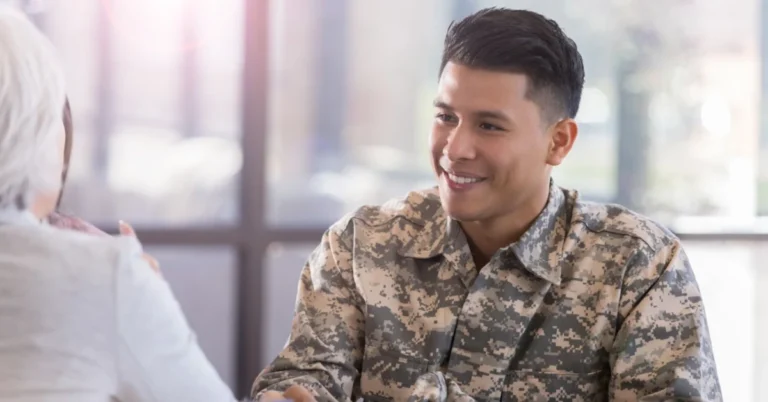
In the sterile, quiet atmosphere of a detox ward, a veteran sat on the edge of his bed, his bags packed. He was caught in the suffocating grip of PTSD and the numbing cycle of addiction. He was ready to leave, convinced that no civilian clinician—no matter how many degrees they held—could possibly understand the geography of his pain. He felt like a ghost in his own life, untethered from the only world that had ever made sense to him.
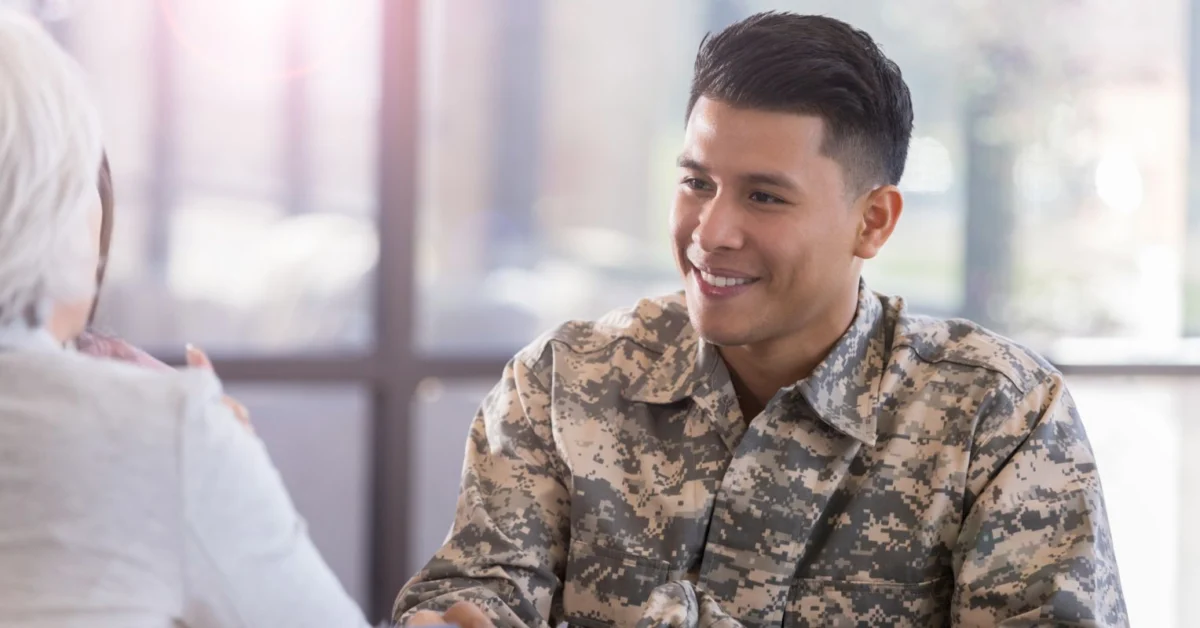
As a fellow veteran, I didn’t see a "patient" or a "case file." I saw a comrade in a crisis. I bypassed the standard clinical jargon and instead spoke his language. I reframed his treatment not as a chore to be endured, but as a tactical objective—a mission. In that moment, the tone shifted. He unpacked his bags and stayed. That brief exchange underscores a critical truth that is often overlooked in clinical settings: culturally competent care, when informed by the visceral reality of military experience, is not just helpful; it is life-saving.
Main Facts: The Silent Crisis
The struggle facing our veterans is statistically staggering. According to the National Center for PTSD (2023), roughly 7% of U.S. veterans live with PTSD, while more than 20% grapple with substance-use disorders. These numbers, however, only capture those who have reached out for help. The U.S. Department of Veterans Affairs (2022) reports that more than half of those in need never receive care.
The barriers to entry are multifaceted, fueled by a deep-seated stigma and a pervasive belief among service members that civilians "just don’t get it." This is not merely a lack of trust; it is a fundamental clash of worldviews. Military service is not a career; it is an identity forged through a unique alchemy of structure, rigid hierarchy, shared symbols, and the existential weight of sacrifice. When that identity is stripped away during the transition to civilian life, the resulting vacuum often leads to a profound sense of disorientation.
Chronology of Transition: From "Tribe" to Solitude
The transition from active duty to civilian life is rarely a clean break; it is a slow, often painful erosion of the self.
- The Period of Enlistment: The veteran is socialized into a high-trust, high-structure environment. Every aspect of their existence—from the uniform they wear to the badges they earn—is a testament to their competency and belonging.
- The Moment of Discharge: The "uniform left behind" creates an immediate crisis of attachment. As defined by attachment theory (Bowlby, 1980), when these primary identifiers are removed, the veteran experiences an attachment rupture.
- The Post-Service Void: Without the "tribe" that author Sebastian Junger describes in his seminal work Tribe (2016), the veteran is left to navigate a world that prioritizes individualism over collective survival. This leads to the "disorientation phase," where grief, isolation, and a loss of purpose become the primary symptoms of the veteran’s daily struggle.
Supporting Data: Why Cultural Competency Matters
The data supports the necessity of specialized, culturally informed care. When clinicians approach veterans with a "blank slate" mindset, they often fail to connect. However, research into post-traumatic growth (Dell’Osso et al., 2022) indicates that when veterans are encouraged to integrate their military identity into their civilian narrative—rather than discarding it—they show significant improvements in resilience.
The clinical disconnect is often a result of ignoring the "symbols of self." For a veteran, a Combat Action Badge or a service ribbon is not "ornamental." It is a shorthand for a story of survival and leadership. When a therapist takes the time to ask about a veteran’s Military Occupational Specialty (MOS) or the meaning behind a patch, they are not just making small talk; they are building the "therapeutic alliance" necessary for deep, trauma-informed work.
Official Perspectives: The Clinical Imperative
The shift toward veteran-specific care is gaining traction within the mental health community, though it remains in its infancy. Clinicians like E.C. Hurley (2021) have pioneered frameworks that integrate EMDR—a powerful tool for trauma processing—with military-specific cultural protocols.
The VA’s recent initiatives focus on "whole-health" approaches, which attempt to bridge the gap between clinical psychology and the social needs of veterans. However, the official consensus is that the burden of translation should not fall on the veteran. It is the responsibility of the provider to understand the veteran’s culture. As I have experienced in my practice at Mountainside Treatment Center, adopting a leadership-based approach—where the therapist acts as a mentor or a mission-focused guide—mirrors the structure that veterans thrive under.
Implications: A New Framework for Healing
If we are to effectively treat the current veteran population, we must rethink the clinical approach in three distinct ways:
1. Encouraging a Flexible Identity
Therapy must help the veteran pivot. The goal is not to move on from their military service, but to expand the definition of it. Instead of "I was a soldier," the narrative shifts to "I am a leader, mentor, and protector." This flexibility allows the veteran to maintain their core values while adapting them to a civilian context.
2. The Family as an Allied Force
Too often, the family is treated as an accessory to the veteran’s care. Bowen’s family systems theory (1978) suggests that the family is an interconnected unit; therefore, the veteran cannot heal in isolation. By involving spouses and families, we can address "moral injury"—the distress caused by acts that violate one’s ethical code (Davis, 2023). When a spouse understands the "why" behind the veteran’s silence or distance, the home becomes a place of support rather than a battleground.
3. Integrating the Positive Narrative
Trauma-informed care often dwells exclusively on the horrors of war. This is a critical error. A veteran’s service is also defined by camaraderie, pride, and moments of profound human connection—the desert sunset, the shared celebration, the pride of the company guidon. Integrating these positive memories into the therapeutic process is essential for fostering post-traumatic growth. A coherent self-narrative must include the beauty of the service, not just the trauma of the combat.
Conclusion: The Mission Continues
We have a collective responsibility to serve those who served. This does not mean pitying the veteran; it means providing the precision-based, culturally competent care they have earned.
When delivered correctly, therapy ceases to be a passive, clinical interaction. It becomes a new mission. It calls upon the veteran’s courage, honors their past, and provides the strategic map needed to write the next chapter of their life. For the combat veteran, the war may have ended on the battlefield, but the mission of reclaiming their life is an ongoing operation. As clinicians and as a society, we must ensure they have the right unit, the right gear, and the right leadership to succeed.
References
- Bowen, M. (1978). Family Therapy in Clinical Practice. Jason Aronson.
- Bowlby, J. (1980). Attachment and Loss: Vol. 3. Loss, Sadness and Depression. Basic Books.
- Davis, L. Y. (2023). Moral Injury: The Hidden Adversary of War. https://core.ac.uk/download/595325431.pdf
- Dell’Osso L, et al. (2022). Post Traumatic Growth (PTG) in the Frame of Traumatic Experiences. Clinical Neuropsychiatry.
- Hurley, E. C. (2021). A Clinician’s Guide for Treating Active Military and Veteran Populations with EMDR Therapy. Springer Publishing.
- Junger, S. (2016). Tribe: On Homecoming and Belonging. Twelve.
- National Center for PTSD. (2023). PTSD in Veterans: Facts and Figures. U.S. Department of Veterans Affairs.
- Shapiro, F. (2018). Eye Movement Desensitization and Reprocessing (EMDR) Therapy: Basic Principles, Protocols, and Procedures. Guilford Press.
- U.S. Department of Veterans Affairs. (2022). National Veteran Suicide Prevention Annual Report. https://www.mentalhealth.va.gov