










Winning the Indianapolis 500 is a feat of mechanical mastery, but for Marcus Ericsson, the 2022 triumph was a definitive victory of the mind. As the racing world turns its gaze toward the 110th edition of "The Greatest Spectacle in Racing," the Andretti Global driver is not merely looking to repeat history; he is looking to transcend it. With practice rounds for the May 24 classic already humming with intensity, the Swedish driver is armed with a revamped physical regimen and a sharpened mental edge, eager to reclaim his place in the hallowed Victory Lane.
The Foundation of a Champion: Main Facts
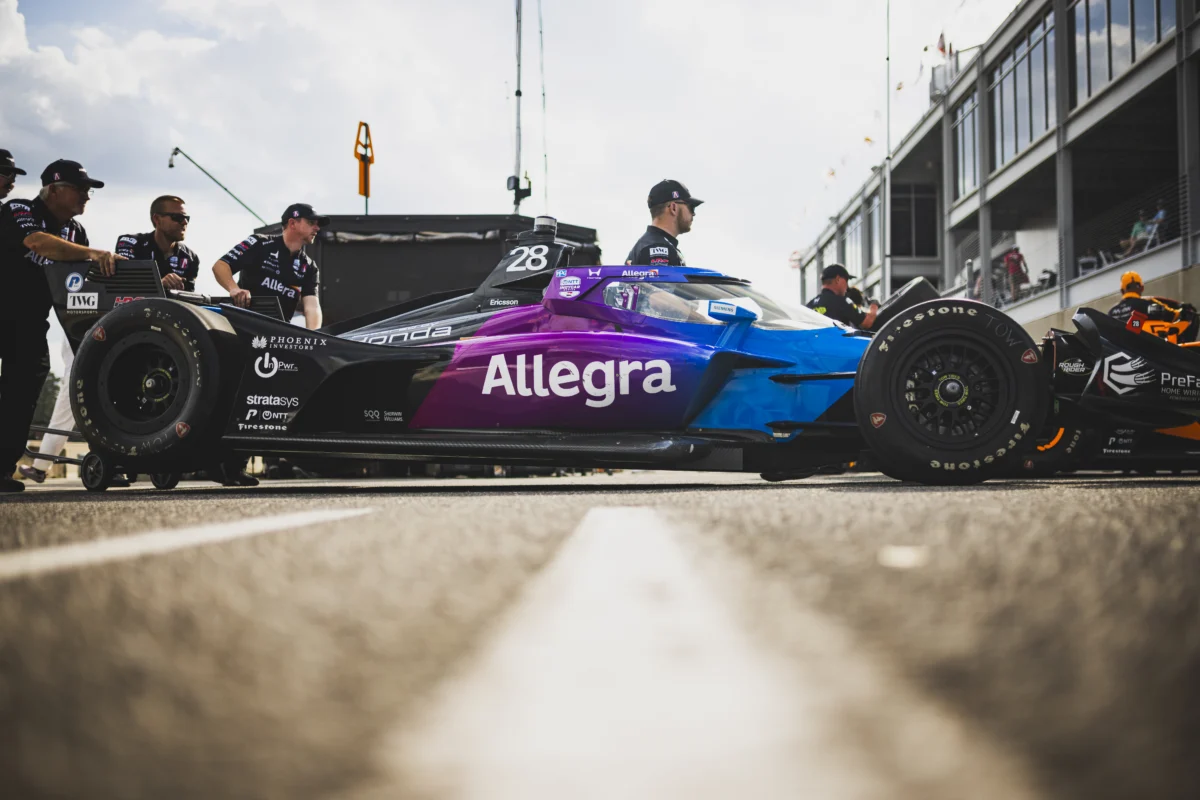
Marcus Ericsson, a former Formula 1 standout turned IndyCar icon, enters this year’s Indy 500 under the banner of Andretti Global, piloting the No. 28 Honda. While his 2022 victory remains the hallmark of his career, Ericsson is currently navigating a pivotal juncture in the 2026 season. Despite a start to the year that has seen him secure only a single top-five finish, the narrative surrounding his performance is far from stagnant.
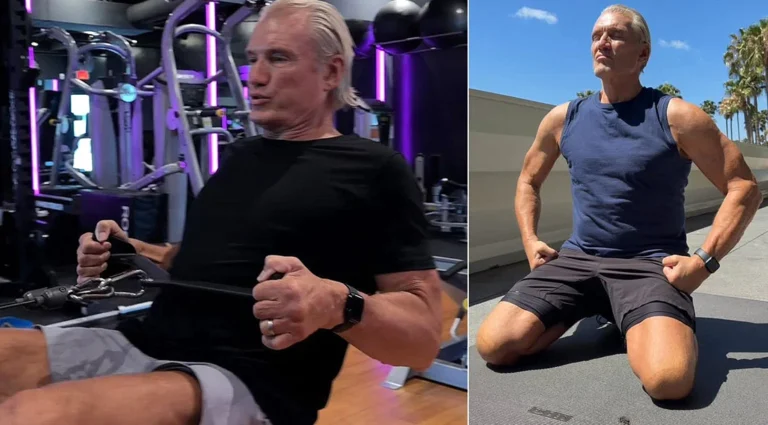
Rather than succumbing to the frustration of a slow start, Ericsson has leaned into a comprehensive "total athlete" approach. This includes a rigorous physical transformation—adding 10 pounds of functional muscle to his 5’11” frame—and a deep-dive partnership with mental performance coach Stig Wiklund. By integrating high-intensity physical training with sophisticated psychological conditioning, Ericsson is positioning himself as a driver who is not only faster but significantly more resilient under the crushing pressure of 200-mph racing.
A Chronology of Mental Resilience
To understand the gravity of Ericsson’s preparation, one must look back to the final laps of the 2022 Indianapolis 500. It was a race defined by chaos and an agonizing, high-stakes delay. After a strategic error by then-teammate Scott Dixon and a subsequent late-race red flag triggered by a Jimmie Johnson crash, the field was forced into a ten-minute halt.
For most, those ten minutes would have been an eternity of mounting anxiety. For Ericsson, it was a test of the very mental training he had begun to cultivate. Sitting on pit road, knowing that a single lapse in judgment could cost him the most significant race of his life, he utilized the cognitive strategies developed with his support team to maintain composure. When the green flag dropped, the "swift-moving Swede" didn’t buckle; he dominated. He fended off a relentless Pato O’Ward for two final laps, demonstrating that his ability to "close out" distracting thoughts was the deciding factor in his win.
The Evolution of the Athlete: Supporting Data and Training
The modern IndyCar cockpit is an unforgiving office. Drivers navigate the track without the luxury of power steering, subjected to sustained G-forces that punish the neck, shoulders, and core. Ericsson’s 2026 preparation is a testament to the scientific approach now required at the pinnacle of motorsport.
Physical Conditioning: The Grind
Working alongside Andretti Global trainer Chris Snyder, Ericsson’s routine is a blend of strength, mobility, and recovery:
- Off-Season Intensity: At least five days a week in the weight room, utilizing a mix of barbells and bodyweight exercises to build the raw power necessary to wrestle the car.
- Neck Training: Ericsson employs a helmet-to-cable rig, a device that looks "funky" in the gym but serves a critical purpose: fortifying the neck muscles against the brutal lateral forces encountered in high-speed turns.
- The Pilates Shift: Recognizing the toll that long-duration, high-impact racing takes on the lower back, Ericsson has incorporated Pilates two to three times weekly. This focus on core stability and mobility has been described by the driver as a "game changer."
- Conditioning: The sessions typically conclude with boxing drills, which serve a dual purpose: maintaining cardiovascular endurance and sharpening hand-eye coordination and reflexes—traits that become vital as a race winds down and fatigue sets in.
The Mental Edge
Ericsson’s commitment to mental health is not just about lap times; it is a personal mission. Influenced by the tragic passing of fellow Swede and music icon Avicii, Ericsson has become an outspoken advocate for destigmatizing mental health. This year, he has debuted a custom helmet featuring "Stop the Stigma" messaging, signaling his role as a public advocate for psychological wellness.
"I’ve always been interested in the mental side of things," Ericsson explains. "I think it is very powerful for anyone really, but for an athlete, it can be a game changer if your mental strength is better than your competitors."
Official Perspectives: The Coaching Philosophy
The partnership with Stig Wiklund has fundamentally altered how Ericsson approaches his daily schedule. This is not a passive relationship; it is a structured program of daily mental training.
"This year, we’ve really taken another step forward," Ericsson notes. "He gives me different programs that I do on a daily basis. So I’m going to the gym every day, I do my mental training every day, and it’s really helping me be the best version of myself."
This regimen includes meditation—used to reduce stress-inducing cortisol levels—and analytical breathing exercises, often integrated directly into his Pilates sessions. By learning to analyze his thoughts rather than simply reacting to them, Ericsson has developed a "mindset of reflection" that allows him to remain present even when the car is dancing on the edge of adhesion.
Environmental Resilience: The Allegra Partnership
While high-level training dominates the headlines, professional racing is often won on the margins. Ericsson’s partnership with the allergy-relief brand Allegra is a strategic move to eliminate environmental distractions. In a sport where a split-second sneeze or a moment of blurred vision caused by hay fever could spell catastrophe, managing one’s internal environment is as crucial as tuning the engine.
"It’s very much real," says Ericsson regarding the impact of seasonal allergies. "Allegra has been really good for us, myself having seasonal allergies, but also a lot of my team personnel, who need to be sharp and ready. And during allergy season, it’s really important."
Implications: The Road to the 110th Indy 500
As the 110th Indianapolis 500 approaches, the implications for Marcus Ericsson are clear. He is no longer just the driver who happened to win in 2022; he is a refined, holistic athlete who has optimized his body and mind for the unique pressures of the Brickyard.
The current season’s standings, while not yet reflecting his peak performance, are viewed by the Andretti camp as a temporary plateau before the main event. By integrating physical strength, core-focused mobility, and a sophisticated psychological toolkit, Ericsson is operating with a level of clarity that few of his competitors can claim.
"I think we’ve had a really strong start," he says of the season. "It’s about continuing that trend and having a strong season. But of course, we want to win races. And the sooner the better."
With his helmet painted in the colors of advocacy and his body tuned for the rigors of 500 miles, Marcus Ericsson is entering the month of May with a singular objective. If he finds himself in the final laps, leading the pack, he will rely on the years of mental conditioning and physical toil that have brought him to this moment. The 110th Indianapolis 500 promises to be a race defined by precision, and in that arena, Ericsson is proving that the strongest muscle on the track is the one between the ears.