






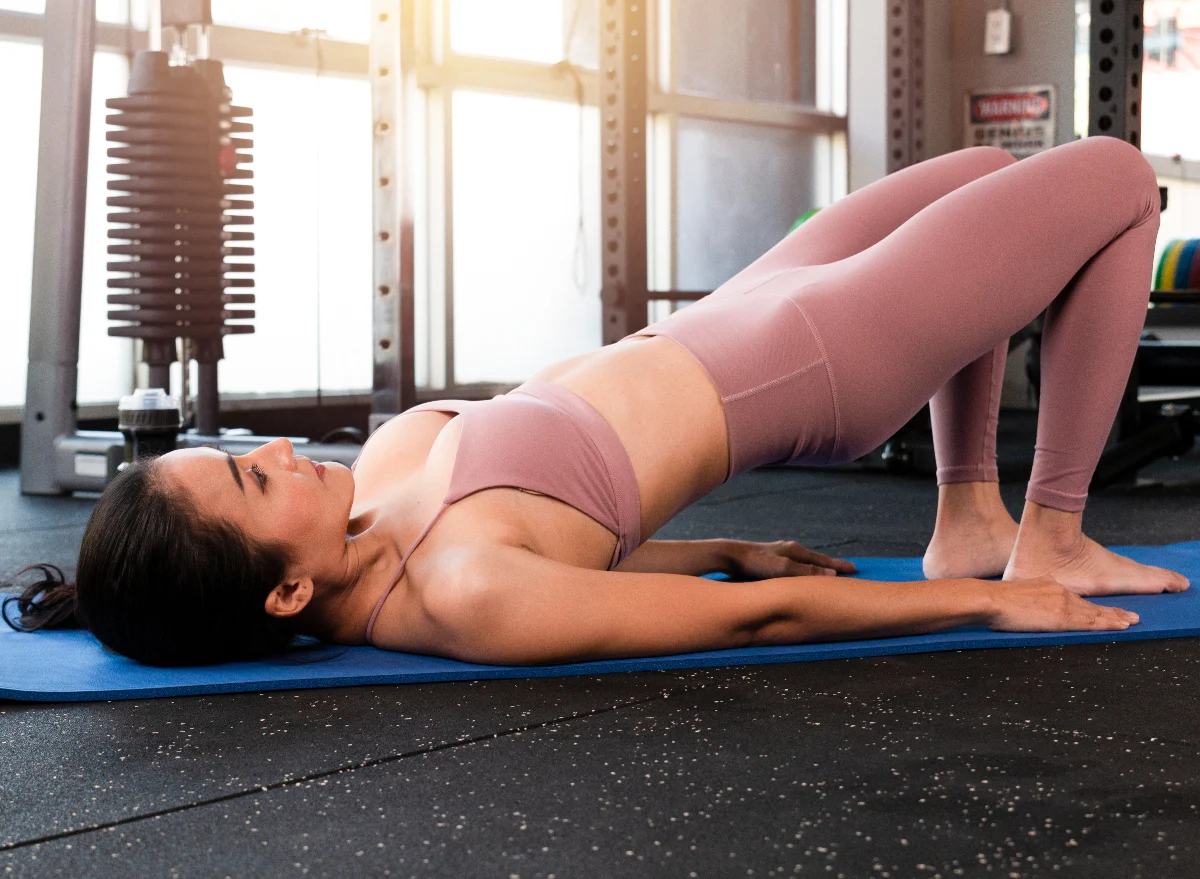
In the world of functional fitness, few movements are as deceptively simple as the glute bridge. To the untrained eye, it is a basic floor exercise—a quick lift of the hips that takes mere seconds. However, to a Certified Strength and Conditioning Specialist (CSCS), the bridge is a diagnostic tool, a therapeutic intervention, and a critical metric of physical longevity.
As we cross the threshold of 60, the conversation around health shifts from vanity-based training to the preservation of movement quality. A CSCS trainer will tell you that what your bridge hold time says about your hips is not just about muscle size; it is about the structural integrity of your posterior chain and your body’s ability to remain independent and pain-free.
The Core-Hip Connection: Why Stability Matters
The "core" is often misunderstood as merely the abdominal muscles visible in the mirror. In reality, the core is a complex, 360-degree cylinder that relies heavily on the glutes. The gluteal muscles—the gluteus maximus, medius, and minimus—serve as the primary controllers of the pelvis. When these muscles are firing correctly, they provide a stable foundation for the spine and trunk.
After 60, this connection becomes the difference between a confident gait and a cautious, shuffling walk. When your hips are strong, daily movements like ascending a flight of stairs, standing up from a low chair, or carrying groceries become intuitive rather than taxing. Conversely, weak glutes force the body to compensate. This compensation usually manifests as "lumbar dumping," where the lower back bears the load meant for the glutes, or excessive knee strain, which can exacerbate existing joint issues.
Chronology of Functional Decline and Recovery
The body’s movement patterns evolve over time. In younger years, we often rely on explosive power and raw force. As we age, however, the focus must transition to muscular endurance and tension management.
The Early Stages: Identifying Weakness
Most individuals begin their journey toward better hip health by realizing their "baseline." Many who have lived a sedentary lifestyle or spent decades at a desk notice a significant "disconnect" when attempting a bridge. The brain has essentially "forgotten" how to recruit the gluteal muscles, a phenomenon known as gluteal amnesia.
The Middle Phase: Re-Education
Through consistent, low-impact training, the nervous system begins to re-map the signal from the brain to the glutes. This is where isometric holds—like the bridge—become vital. By holding a static position, you force the body to maintain neural engagement, teaching the muscles to work in harmony rather than firing sporadically.
The Long-Term Goal: Resilience
The ultimate goal of training the bridge after 60 is not to become a powerlifter, but to develop "resilient strength." This is the capacity for the body to distribute physical stress across multiple joints—hips, knees, and ankles—rather than overloading a single weak point.
Supporting Data: What the Clock Tells Us
The bridge hold is a superior test of endurance because it highlights the body’s ability to maintain a neutral spine under gravity. Research into isometric endurance suggests that the ability to sustain a bridge correlates strongly with pelvic stability and reduced incidences of lower back pain.
Breaking Down the Standards
While individual anatomy varies, coaches often use these benchmarks for adults over 60 to gauge hip and core performance:
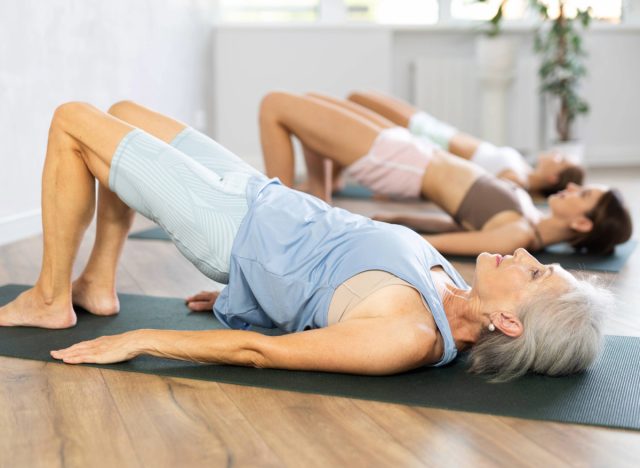
- Under 30 Seconds: Indicates a need for foundational work. The focus should be on "glute activation" exercises, such as clamshells or basic pelvic tilts, before attempting longer holds.
- 30 to 60 Seconds: This is a solid baseline for general fitness. It suggests that your posterior chain is capable of handling the demands of daily life, though there is room for improvement in endurance.
- 60 to 90 Seconds: This indicates a high level of functional fitness. Your core-to-hip connection is well-integrated, and you are likely experiencing minimal "compensation" in your lower back during movement.
- 90+ Seconds: You are in the "elite" category for your age group. This level of endurance suggests a highly stable pelvis and a lower risk of falls or movement-related injuries.
The Professional Protocol: How to Perform the Perfect Bridge
To get an accurate read on your strength, form is non-negotiable. A "cheated" bridge—where the ribcage flares or the lower back arches—provides no benefit and can actually increase strain.
Step-by-Step Execution:
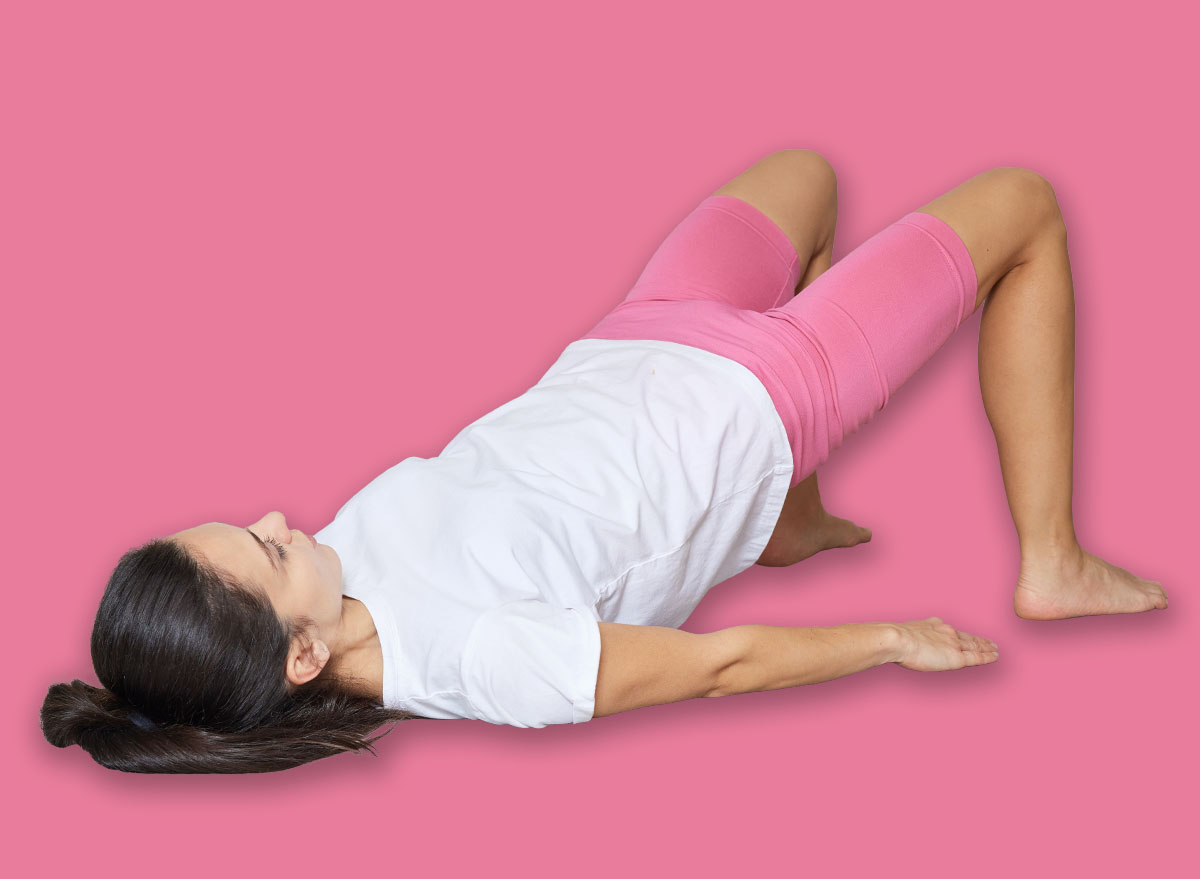
- The Setup: Lie flat on your back on a firm surface. Bend your knees and place your feet flat on the floor, hip-width apart. Your heels should be close enough to your glutes that you can just graze them with your fingertips.
- The Engagement: Before lifting, inhale deeply. Exhale and engage your core as if you are bracing for a punch. Squeeze your glutes—do not just push with your quads.
- The Lift: Drive through your heels to lift your hips toward the ceiling. Your body should form a straight, diagonal line from your shoulders to your knees.
- The Hold: Maintain a neutral neck position. Keep your chin tucked slightly. Ensure your ribs stay "knitted" down; if they pop up, you are arching your back rather than using your hips.
- The Reset: Lower your hips slowly, with control, back to the starting position.
Implications for Daily Life and Long-Term Health
The implications of a strong bridge extend far beyond the gym. By mastering this movement, you are essentially "insuring" your body against the most common pitfalls of aging.
Reducing Fall Risk
Falls are the leading cause of injury among seniors. A strong posterior chain allows you to recover your balance quickly if you stumble. Your glutes act as the "brakes" and "stabilizers" of your lower body, preventing your center of gravity from shifting too far forward.
Lower Back Pain Management
Many cases of chronic lower back pain are, in fact, "hidden" hip issues. When the glutes are weak, the erector spinae (the muscles along the spine) have to overwork to keep you upright. Strengthening the glutes through bridge holds takes the pressure off the lumbar spine, often providing relief where medicine and rest have failed.
Metabolic Health
The glutes are the largest muscle group in the body. Engaging them regularly through resistance exercise—even bodyweight resistance like the bridge—is an excellent way to support metabolic health and insulin sensitivity, both of which are critical as we navigate the post-60 health landscape.
Expert Recommendations for Progression
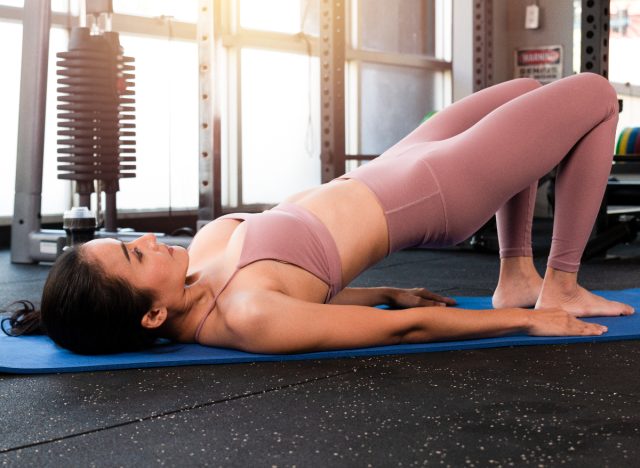
Once you can hold a standard bridge for 60 seconds with perfect form, it is time to progress. Constant adaptation is the key to preventing the "plateau" effect.
- The Marching Bridge: While holding the bridge, slowly lift one foot a few inches off the floor, then the other. This adds an element of anti-rotation, forcing your core to stabilize against the movement.
- The Single-Leg Bridge: This is the gold standard for testing symmetry. If you can hold a single-leg bridge for 30 seconds on each side, your hip strength is exceptional.
- The Banded Bridge: Place a resistance band just above your knees. As you push your hips up, force your knees outward against the band. This targets the gluteus medius, which is essential for pelvic stability during walking.
Conclusion: The Path Forward
The bridge hold is more than just a exercise; it is a vital sign. In a world of complex, high-tech fitness gadgets, the most effective test for your mobility remains the humble, honest effort of holding your own body weight against gravity.
If you find that your hold time is shorter than you would like, do not be discouraged. The beauty of the glute bridge is its accessibility. You can perform it anywhere, at any time. By dedicating just a few minutes each day to this simple movement, you are building a more capable, more resilient version of yourself—one bridge at a time. After 60, the goal is not to train until you are exhausted, but to train until you are capable of doing everything you love, for as long as you want to do it.