



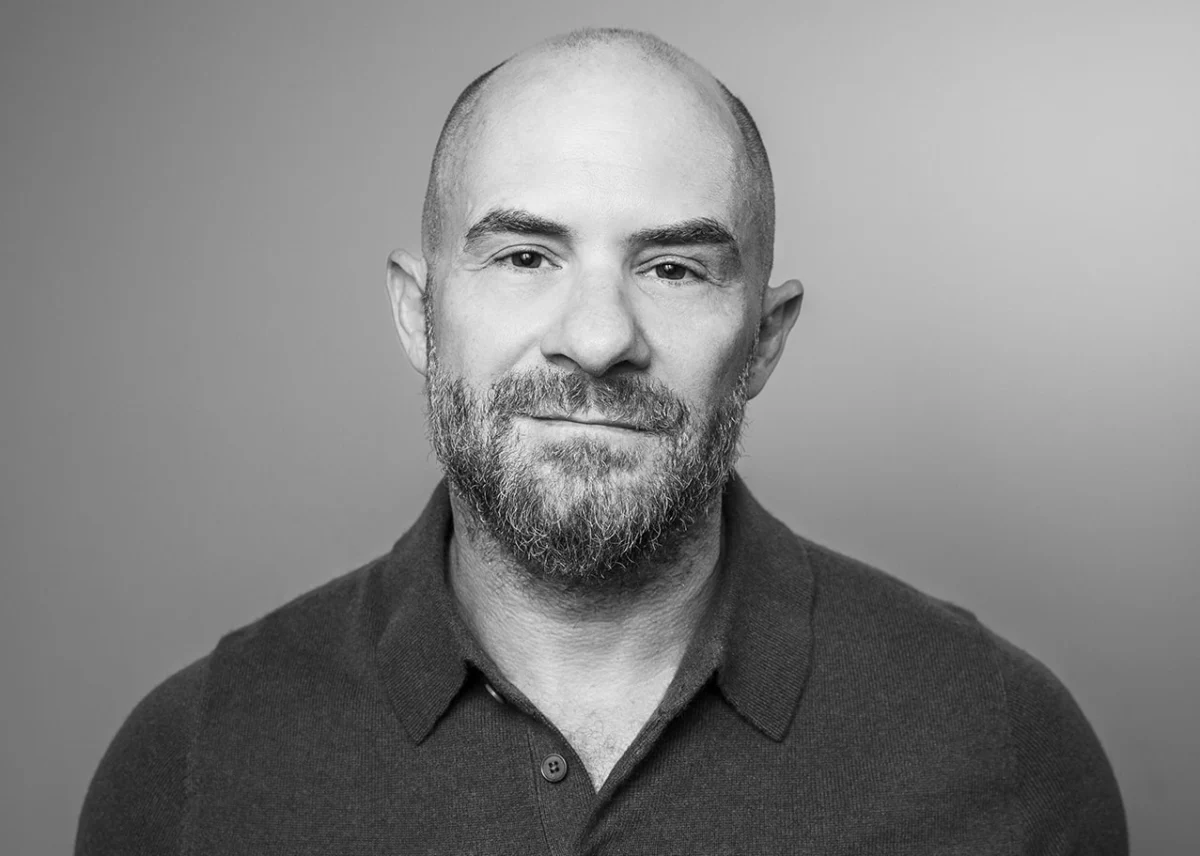
In a landmark exploration of the origins of modern psychiatry, Justin Garson, a philosopher and historian of science at the City University of New York, has released his latest work, The Madness Pill: One Doctor’s Quest to Understand Schizophrenia (St. Martin’s Press, 2026). The book, which has already sparked intense debate within the medical community, traces the meteoric rise of "biological psychiatry"—the belief that mental distress is primarily a product of wayward neurotransmitters—and reveals the surprising, often illicit, origins of the drugs that define the modern era.
Through an intricate weaving of personal narrative, neuropharmacology, and social history, Garson argues that the shift from "talk therapy" to "the madness pill" was not a purely scientific progression but a transformation fueled by the 1960s drug subculture, pharmaceutical ambition, and a desperate search for legitimacy.
Main Facts: The Rise of the Biological Paradigm
The central premise of Garson’s research focuses on the transition of psychiatry from a discipline rooted in psychoanalysis and social context to one dominated by molecular biology. At the heart of this shift is the "Dopamine Hypothesis"—the theory that schizophrenia and other forms of psychosis are caused by an overabundance of dopamine in the brain.
Garson identifies Dr. Solomon Snyder as the pivotal figure in this revolution. A polymath who blended interests in music, philosophy, and chemistry, Snyder’s work in the early 1970s provided the intellectual scaffolding for the "chemical imbalance" theory. However, Garson’s research highlights a startling irony: the scientific foundation for modern antipsychotics was built largely on observations of "speed freaks" and "acid heads" from the 1960s counterculture.
By studying the effects of illicit substances like LSD and amphetamines, researchers like Snyder sought to create a "model psychosis." They hypothesized that if drugs could induce madness, then madness itself must be a chemical state. This realization led to the core axiom of biological psychiatry: if you want to understand why people lose their minds, look at their neurotransmitters.
Chronology: From Freud to the Pharmacy
The history of 20th-century psychiatry is marked by two distinct eras, a divide Garson illustrates through the lens of his own family history.
The Era of Agnosticism (1950s–1970s)
In the early 1970s, Garson’s father, John, was diagnosed with paranoid schizophrenia while working in Washington, D.C. At that time, psychiatry remained pluralistic. John was able to negotiate a treatment plan with a reputable psychiatrist that involved intensive talk therapy without the use of medication. This "agnostic" period recognized that while drugs like Thorazine existed, they were often seen as "chemical straitjackets" or sedatives to facilitate therapy, rather than "cures" for a biological disease.
The Nobel Breakthrough (1957–1970)
The scientific shift began in earnest with Julius Axelrod, Snyder’s mentor. In 1957, Axelrod discovered the mechanism of "neurotransmitter reuptake"—the process by which neurons recycle chemicals like serotonin and dopamine. This discovery, which earned Axelrod the Nobel Prize in 1970, provided a target for pharmaceutical intervention. If scientists could "tweak" these pumps, they could theoretically control a patient’s mood and perception with surgical precision.
The Speed Epidemic and the Dopamine Hypothesis (1960s–1976)
During the 1960s, a massive amphetamine epidemic swept the United States. Psychiatrists noticed that chronic "speed" users developed symptoms nearly indistinguishable from schizophrenia. In 1970, Solomon Snyder demonstrated that amphetamines flood the brain with dopamine, leading him to formulate the Dopamine Hypothesis. By 1976, this theory had become the dominant framework for understanding psychosis, effectively ending the era of talk therapy for severe mental illness.
The Biological Consolidation (1980s–Present)
By the mid-1980s, the transformation was complete. When Garson’s father experienced a relapse during this decade, the option of drug-free therapy had vanished. The medical system’s sole focus was finding the right "cocktail" of first-generation antipsychotics, such as Haldol and Mellaril. This era saw the rise of "The Broken Brain" ideology, championed by figures like Nancy Andreasen and bolstered by the marketing of the first SSRIs, such as Prozac, in 1987.
Supporting Data: The Evidence Gap
Despite the total dominance of the biological model, Garson points to a persistent lack of "smoking gun" evidence. He cites a seminal 1976 paper by Solomon Snyder, in which the doctor admitted that the dopamine hypothesis was "by definition supported by no direct evidence."
Forty years later, that gap remains. While drugs that block dopamine receptors can quell hallucinations, researchers have yet to find a consistent, measurable abnormality in the dopamine levels of untreated patients diagnosed with schizophrenia.
Furthermore, Garson highlights the "Outcomes Paradox" documented by the World Health Organization (WHO). Data suggests that patients diagnosed with schizophrenia in developing nations—such as parts of India, Nigeria, and Colombia—often have significantly better long-term recovery rates than those in the U.S. or U.K. Experts suggest this is because these societies are often more tolerant of behavioral differences and less reliant on permanent, high-dose medication regimes that can lead to long-term brain changes and physical health complications.
Garson also draws attention to the physical toll of these drugs. His father’s premature death was linked to "antipsychotic-induced dysphagia," a condition where the drugs impair the muscles used for swallowing—a side effect of the very "madness pills" intended to save him.
Official Responses and the Stigma Debate
The pharmaceutical industry and various mental health advocacy groups have long argued that the "brain disease" model reduces social stigma. The logic is simple: if depression is like diabetes and schizophrenia is like cancer, the patient cannot be blamed for their condition.
However, Garson presents data from sociologists and psychologists that suggests the opposite may be true. While biological framing can reduce a patient’s self-blame, it often increases "social distance" from the public. Studies show that when people view psychosis as a permanent "brain wiring" issue, they are more likely to perceive the individual as unpredictable, dangerous, and "other."
"Stigma towards schizophrenia has actually increased over the last 30 years," Garson notes, citing research that shows the public is currently less likely to want to live near or work with someone diagnosed with the condition than they were in the 1970s.
Pharmaceutical companies have remained steadfast in their support of the neurotransmitter model. The "chemical imbalance" narrative remains a cornerstone of direct-to-consumer advertising, a multi-billion dollar industry that Garson argues has a vested interest in maintaining the status quo, regardless of the evolving scientific consensus.
Implications: The Search for a Humanistic Future
As the limitations of the biological model become more apparent, Garson joins a growing chorus of voices calling for a "pluralistic" approach to madness. This perspective does not necessarily reject biology but insists that it is only one piece of a much larger puzzle involving trauma, social isolation, and the search for meaning.
Alternative Models of Care
Garson points to several successful, though underfunded, alternatives to the traditional medical model:
- Soteria Houses: Community-based residential environments that provide a safe space for people experiencing psychosis to "be" without immediate, heavy sedation.
- The Hearing Voices Network: A peer-support movement that encourages individuals to find meaning in their voices rather than simply suppressing them with drugs.
- Open Dialogue: A Finnish approach that involves the patient’s entire social network in a non-hierarchical therapeutic process, which has shown remarkable success in reducing long-term disability.
The Role of Advocacy
Garson concludes that meaningful change is unlikely to originate from within the psychiatric establishment, which is deeply entrenched in the "diagnose and drug" model. Instead, he looks toward "ex-patient" movements and activists—people like Laura Delano, author of Unshrunk—who are pushing for a more humanistic, rights-based approach to mental distress.
"We need to wrest some of the response to mental health back from science," Garson argues. "The science-dominated biological paradigm has long past served its time."
As The Madness Pill reaches bookshelves, it serves as both a cautionary tale and a roadmap. It challenges society to look beyond the convenience of the chemical fix and to recognize that the "madness" we seek to medicate is often a complex, functional signal of a life in distress—one that requires connection, not just chemistry, to heal.