








The sun set hours ago, plunging the city into darkness, but in the sterile, hum-filled silence of a high-tech laboratory, the day is far from over. The only illumination comes from the cool, clinical glow of benchtop monitors and the rhythmic pulsing of a thermal cycler. A timer dings—a sharp, insistent sound that breaks the stillness. A researcher, weary but focused, pulls on a fresh pair of nitrile gloves, retrieves a sample, and meticulously logs the data point. The timer is reset. The cycle begins again.
This is not a scene from a Hollywood dramatization of scientific discovery. There are no dramatic orchestral swells or instant, miraculous revelations. This is what cancer research actually looks like: a quiet, iterative, and profoundly disciplined pursuit of the unknown. It is the reality of the work that happens long before the headlines herald a "breakthrough."
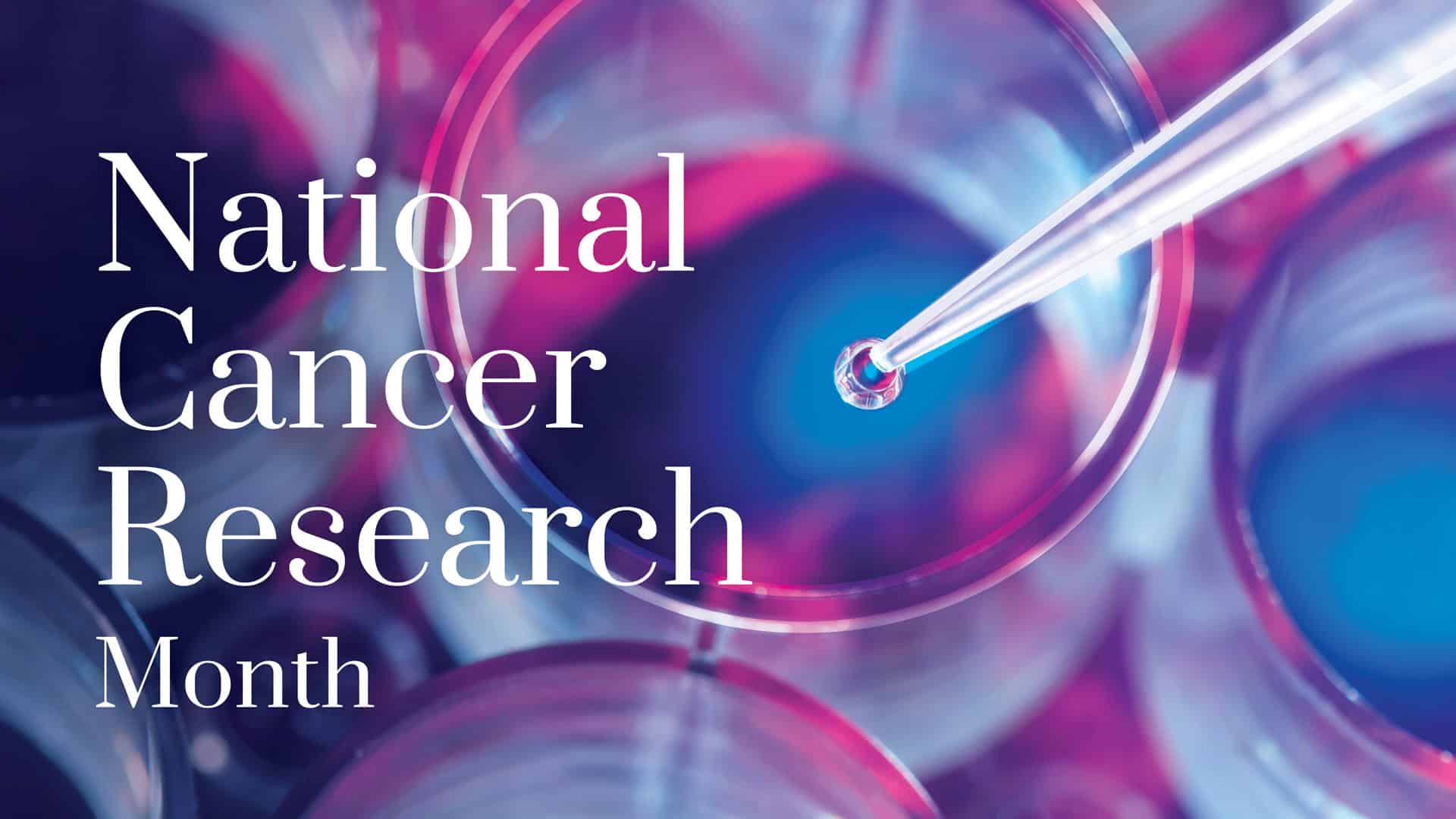
As we observe National Cancer Research Month, the Cancer Research Institute (CRI) invites the public to look past the finished product of medicine and into the engine room of discovery. It is here, in the late-night hours of failure and refinement, that the future of oncology is written.
The Anatomy of Discovery: Why Science is a Slow Burn
The public often views scientific advancement as a series of lightning strikes—sudden, brilliant moments of genius. In reality, discovery is a glacial, cumulative process. To understand the labor involved, one must look at the experiment described above. That singular data point is merely one brick in a cathedral that may take decades to build.
To validate a hypothesis, a scientist must ensure that their results are reproducible. In the scientific community, "reproducibility" is the gold standard of truth. If an experiment cannot be replicated by another lab, in another country, under different conditions, it is not considered scientific fact.
Think of this process like the art of high-level culinary science. You follow a recipe with surgical precision, measuring ingredients to the milligram. Yet, the dish comes out differently. Perhaps the humidity in the room changed, or the brand of salt had a slightly different mineral content, or the oven’s heating element behaved inconsistently. In the kitchen, this is a minor annoyance; in the lab, these variables are the difference between a life-saving therapy and a dead end.
Scientists spend months—sometimes years—tweaking these variables. They act as both architects and detectives, dissecting every element of the process until the results are consistent, trustworthy, and robust. Only then, after thousands of iterations, can they begin to interpret the data to make broader conclusions.
The "Failure" Paradox: Redefining Progress
There is a misconception that scientific failure is the opposite of progress. For the researchers at the bench, failure is the most potent form of data.

"The truth of it is, we stumbled across that gene for the wrong reasons, and it was a disaster, and we finally figured out what was missing," says Dr. Kenneth Murphy, recipient of the 2026 AACR-CRI Lloyd J. Old Award in Cancer Immunology. Dr. Murphy’s work on dendritic cells—which fundamentally altered our understanding of how the immune system recognizes cancer—was not a linear path of successes. It was a series of disasters that, when mapped correctly, revealed a biological pathway no one had seen before.
This is the "slow churn" of research. It is often frustrating, rarely glamorous, and frequently leads to months of work that yield "inconclusive" results. Yet, the true measure of a scientist is not the absence of failure, but the persistence to show up the next day, adjust the hypothesis, and try again. Each "failed" experiment is, in fact, a discarded map that shows researchers where not to go, narrowing the field of possibilities until the target finally comes into view.
The Crisis of Funding: A Threat to the Next Generation
While the spirit of scientific inquiry remains as resilient as ever, the infrastructure that supports it is facing a precarious reality. Scientific progress is not an abstract endeavor; it requires resources, time, and, above all, consistent financial backing.
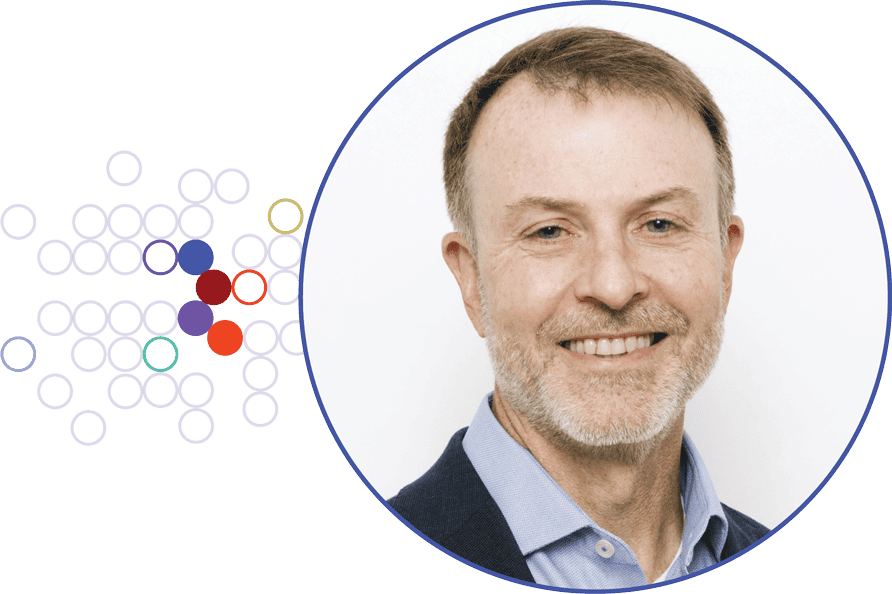
"Funding cuts are disproportionately impacting young investigators and researchers," notes Dr. Alicia Zhou, CEO of the Cancer Research Institute. "These are folks who are just beginning in their careers, hoping to start a long, impactful journey in scientific research. When we cut funding, we don’t just lose a project; we lose the people who will lead the discoveries of the next thirty years."

This sentiment is echoed by Dr. E. John Wherry, Associate Director of the CRI’s Scientific Advisory Council. "If we don’t protect this next generation of researchers, we risk losing the very people who will drive the discoveries of tomorrow. The pipeline of talent is fragile."
The current economic landscape for research is increasingly competitive. Grants are often awarded for projects that promise near-term results, which can inadvertently discourage the "high-risk, high-reward" basic research that often leads to paradigm-shifting breakthroughs. Without the funding to explore the unknown, researchers are forced to stick to "safe" paths, potentially slowing the pace of innovation exactly when the world needs it to accelerate.
From the Bench to the Bedside: The Translational Gap
Even when a discovery is made, the journey is only halfway complete. The process of "translational research"—taking a finding from a petri dish and moving it into a clinical trial—is a monumental logistical and financial undertaking.
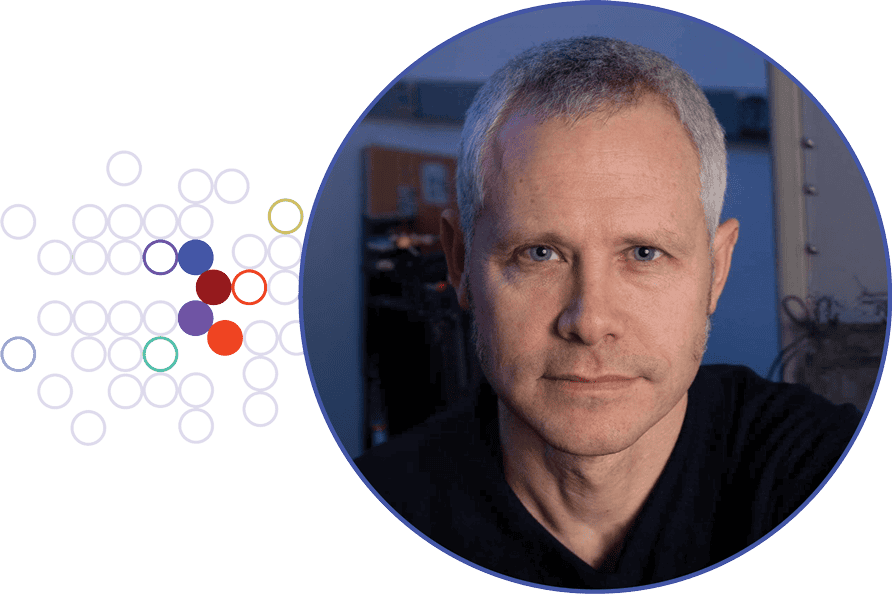
"There is a huge need for support of translational research and support for taking scientific discoveries in the lab and translating those into interventions that make a difference in clinical outcomes," says Dr. Valsamo (Elsa) Anagnostou, a CRI CLIP Investigator.
Translational research is the bridge between the "how" and the "who." It is the process of ensuring that a molecule that destroys a tumor in a mouse model can safely and effectively do the same in a human being. This phase requires interdisciplinary collaboration, intense scrutiny from regulatory bodies, and rigorous clinical validation. It is the stage where the theoretical becomes the therapeutic.
The Human Impact: Why the Work Matters
Ultimately, the goal of every late night, every failed experiment, and every successful trial is the patient.
Sharon Belvin, a stage 4 melanoma survivor, represents the physical manifestation of these years of effort. "My life, and the lives of so many others, are living proof that this work actually matters," she states. For patients like Belvin, the "slow churn" of science is not an academic concept; it is the reason they are alive.
Every therapy, every improved survival rate, and every diagnostic tool trace back to these quiet, repetitive moments in the laboratory. They trace back to the researchers who kept going when the answers weren’t obvious, who managed the frustration of inconclusive data, and who remained dedicated to the belief that the next experiment might be the one that changes everything.
Looking Forward: Supporting the Architects of Progress
As we move forward, the imperative for the scientific community and the public is clear: we must continue to advocate for the funding and support that allows curiosity to flourish. Discovery requires the space to ask difficult questions and the patience to wait for the answers.
National Cancer Research Month serves as a poignant reminder that while we celebrate the breakthroughs, we must also honor the process. The light in the lab tonight, long after the rest of the world has gone to sleep, is a beacon of human ingenuity and hope.
Behind every headline, there is a person, a pipette, and a persistent belief in the power of inquiry. As the researcher resets the timer and begins the next run, they are not just analyzing data; they are building a future where cancer is no longer an insurmountable mystery, but a challenge that has been met, understood, and ultimately, overcome.
To learn more about the critical work being conducted by the scientists on the front lines of discovery, visit the Cancer Research Institute. Your support ensures that the lights stay on, the research continues, and the path to a cure remains open.