For a patient receiving a cancer diagnosis, the world often narrows down to a series of medical appointments, treatment protocols, and uncertainty. Amidst the flurry of information, one term frequently arises: the "clinical trial." While often discussed in medical literature, the true significance, accessibility, and necessity of these trials remain misunderstood by the general public. Far from being a "last resort," clinical trials represent the engine of medical progress—and for many, a gateway to life-saving innovation.
The Foundation of Modern Medicine
At its core, a clinical trial is a rigorous research study designed to evaluate new methods of preventing, detecting, or treating cancer. It is the crucible in which medical science is tested. It is important to emphasize that every standard-of-care treatment available in an oncologist’s office today—from chemotherapy regimens to cutting-edge immunotherapies—began its journey as an experimental concept within a clinical trial.
These studies are not monolithic. They vary widely in their scope and intent. While some trials are designed to test the efficacy of a brand-new therapeutic agent, others focus on refining existing protocols, reducing the toxicity of current side effects, or improving the precision of diagnostic screening. The breadth of this research reflects a commitment to not only extending life but enhancing the quality of that life.
A Chronology of Progress: How Trials Evolve
To ensure patient safety and scientific validity, clinical trials follow a highly structured, phased progression. This chronological framework is designed to build upon knowledge gained at each step, ensuring that potential treatments are scrutinized before reaching a broader population.

- Phase I Trials: These are the initial forays into human testing. The primary focus here is safety—identifying the appropriate dosage, monitoring for side effects, and determining how the human body processes the new treatment. These trials typically involve a small group of patients.
- Phase II Trials: Once a treatment is deemed safe, Phase II studies expand to a larger group to evaluate its efficacy. Researchers look to see if the drug or therapy has a measurable impact on the cancer.
- Phase III Trials: These are the definitive studies. They compare the new treatment against the current "gold standard" of care to see if it is more effective or has fewer side effects. These trials often involve hundreds or thousands of patients across multiple medical centers.
- Phase IV Trials: Occurring after a treatment has been approved by regulatory bodies (like the FDA), these trials continue to monitor the long-term effects and performance of the therapy in the real world.
Supporting Data: The Impact of Participation
The impact of clinical trials extends far beyond the individual participant. Data collected from these studies provides the foundation for medical advancement. According to oncology experts, patients who participate in clinical trials often receive a higher level of scrutiny and care. Because these patients are monitored by specialized multidisciplinary teams, they often benefit from the latest diagnostic tools and supportive care services that are synonymous with high-end clinical research.
Furthermore, the act of participation is inherently altruistic. As Stage 4 Leukemia survivor Kristin Kleinhofer noted, "I began to look at clinical trials, and it wasn’t only that I was fighting for my life, but I really wanted to pay it forward." This sentiment is echoed by countless survivors who recognize that by contributing their data to the collective pool of knowledge, they are laying the groundwork for future generations of patients.
Addressing Misconceptions and Barriers
One of the most persistent myths in the oncology community is that clinical trials are only for patients who have "run out of options." This is demonstrably false. Depending on the specific molecular profile of a tumor and the patient’s health status, a clinical trial might be the most effective first-line or second-line treatment option.
The Role of Advocacy and Navigation
Navigating the logistical hurdles of a trial—such as travel, time commitments, and insurance coordination—can be daunting. This is where clinical trial navigators and digital tools, such as the CRI Clinical Trial Finder, become essential. These services act as a bridge, helping patients and families interpret complex eligibility criteria and match them with appropriate studies.

Official Perspectives: The Value of Innovation
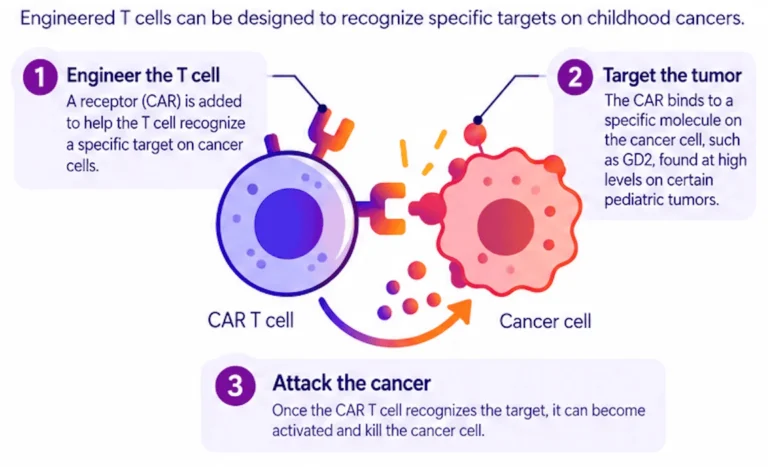
Leading oncologists and researchers consistently emphasize that the "miraculous" breakthroughs we see in oncology—such as the rise of checkpoint inhibitors and CAR-T cell therapy—are direct results of clinical trial success.
Dr. Joshua Brody of the Icahn School of Medicine at Mount Sinai has frequently noted that these trials are the primary mechanism for moving the field forward. Without the willingness of patients to step into the unknown, the survival rates for once-terminal conditions would remain stagnant. The narrative has shifted from clinical trials being a "gamble" to them being a "strategic pursuit of the most advanced care available."
The Patient Experience: Considerations and Risks
While the potential benefits of participating in a trial are significant, it is equally important to approach the decision with a clear-eyed understanding of the risks.
- The Reality of Side Effects: Like any therapeutic intervention, experimental treatments come with potential side effects. These may be known or, in the case of early-phase trials, partially unknown.
- Eligibility Criteria: Not every trial is a match for every patient. Factors such as genetic mutations (biomarkers), prior treatments, and organ function play a critical role in determining eligibility. These criteria are not intended to be exclusionary but are scientific requirements to ensure the safety of the patient and the integrity of the data.
- Financial Implications: While the sponsor of a trial usually covers the cost of the investigative drug and trial-specific procedures, standard care costs often remain the responsibility of the patient’s insurance. It is imperative that patients consult with their financial counselors and insurance providers to map out these responsibilities before enrollment.
Empowering the Conversation
If you or a loved one is considering a clinical trial, the first step is an open dialogue with your medical team. To facilitate this, patients should prepare a comprehensive list of questions to ensure all aspects of the decision—from quality of life to time commitment—are addressed.

Essential Inquiries for Your Oncology Team
- Alignment with Diagnosis: "Based on my specific genetic markers and cancer stage, what trials are available to me?"
- The Objective: "Is the goal of this trial to shrink the tumor, prevent recurrence, or improve my quality of life?"
- Comparison: "How does this experimental approach differ from the standard-of-care protocol we discussed?"
- The ‘What If’ Scenario: "If this treatment does not yield the expected results, what are my subsequent options, and can I exit the trial at any time?"
- Logistics: "What is the frequency of clinic visits, and what is the expected time commitment for travel and testing?"
- Financial Clarity: "Which procedures are covered by the trial sponsor, and what will be billed to my insurance?"
- Impact on Daily Life: "How will this treatment affect my daily routine, work, and family life?"
Implications for the Future
The landscape of cancer treatment is moving toward a future defined by precision medicine—where treatments are tailored to the individual’s biological signature. Clinical trials are the vehicle for this transformation. By engaging with these opportunities, patients are not just seeking a cure for their own illness; they are participating in the evolution of medicine itself.
Whether a clinical trial is the right choice for an individual depends on a complex interplay of clinical, personal, and practical factors. However, the decision should never be made in the dark. By seeking out resources, asking the right questions, and utilizing the support of professional navigators, patients can transform a moment of fear into a journey of empowerment.
As Sharon Belvin, a survivor of Stage 4 Melanoma, poignantly stated, "Clinical trials are the lifeline for long-term survival rates with cancer. If it wasn’t for clinical trials, I wouldn’t be here." This realization serves as a beacon of hope, reminding us that behind every statistic is a human story—and within every clinical trial, there is the potential for a new chapter.
For more information on finding a trial that matches your specific diagnosis, consult with your primary oncology team or visit Cancer Research Institute’s Clinical Trial Finder to begin your search.