








In a landmark development for military healthcare, MellingMedical, a prominent Service-Disabled Veteran-Owned Small Business (SDVOSB), has announced a strategic partnership with TAP Sleep Care—a division of Airway Management. This collaboration is designed to streamline the procurement and delivery of advanced oral appliance therapy (OAT) solutions to the nation’s veterans, active-duty military personnel, and their families.
By leveraging MellingMedical’s expansive federal contracting network, this partnership directly addresses the urgent need for more accessible, patient-compliant treatments for Obstructive Sleep Apnea (OSA). The initiative arrives at a critical juncture, aligning perfectly with the updated 2025 Veterans Affairs (VA) and Department of Defense (DoD) Clinical Practice Guidelines, which officially elevate oral appliance therapy as a first-line treatment for mild to moderate OSA.
The Core Partnership: Bridging the Gap in Military Sleep Health
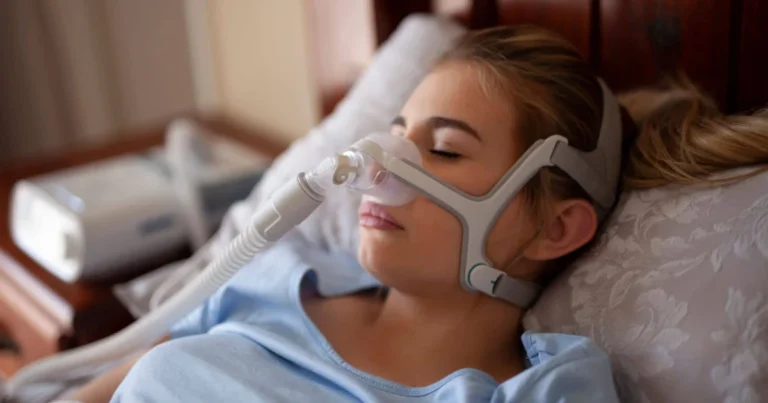
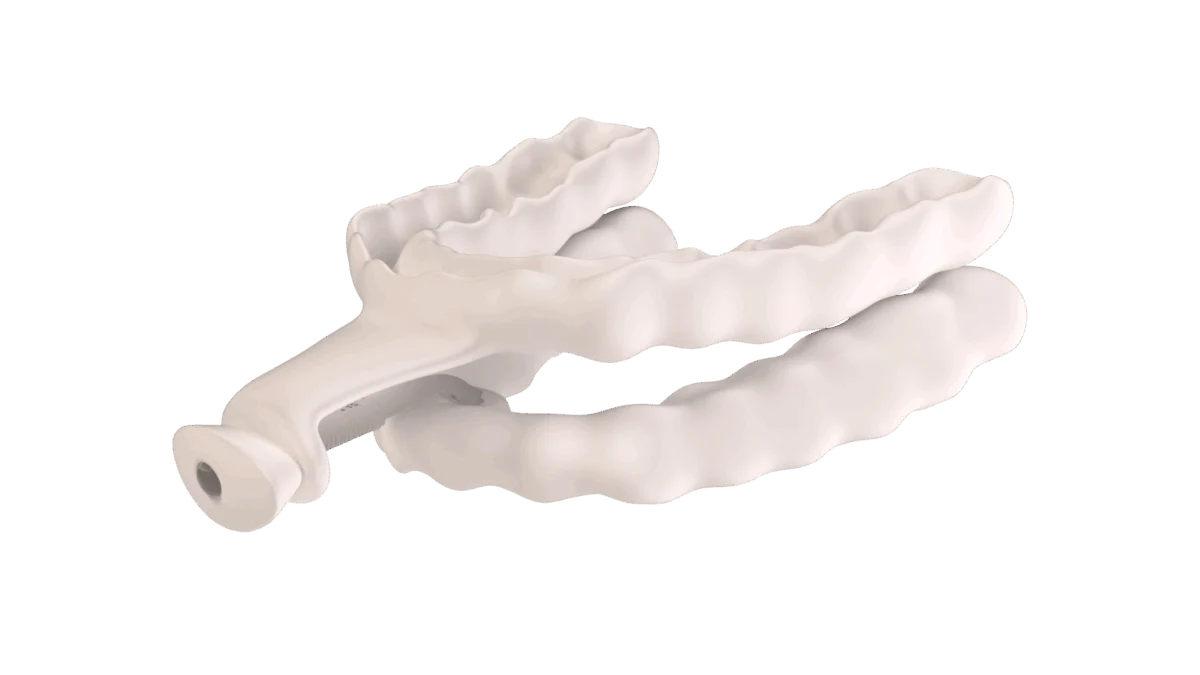
The core of this alliance lies in the integration of Airway Management’s proprietary myTAP and myTAP PAP devices into the VA and DoD supply chains. Historically, the treatment of sleep apnea within the military community has relied heavily on traditional Continuous Positive Airway Pressure (CPAP) therapy. While CPAP remains the gold standard for severe cases, its reliance on bulky masks, pressurized air, and complex headgear has frequently led to poor compliance among veterans, particularly those experiencing co-morbidities like Post-Traumatic Stress Disorder (PTSD), where restrictive headgear can trigger significant psychological distress.
MellingMedical, headquartered in Alexandria, Virginia, acts as the vital bridge in this equation. By utilizing their established regulatory framework and federal procurement infrastructure, the company ensures that these innovative devices reach clinicians and patients without the bureaucratic friction that often slows the adoption of new medical technologies in the public sector.
Chronology of Clinical Shift: From CPAP Dependency to OAT Adoption
To understand the magnitude of this partnership, one must look at the evolution of sleep medicine guidelines within the federal government.
The Traditional Era (2000–2015)
For over a decade, CPAP therapy was the near-universal recommendation for all OSA patients. While clinically effective in laboratory settings, real-world application for veterans—often living in high-stress environments or transitioning between locations—proved difficult. High dropout rates were consistently reported due to "mask intolerance."
The Recognition Phase (2016–2023)
As sleep research matured, clinical data began to highlight the efficacy of Oral Appliance Therapy (OAT). Studies demonstrated that for mild to moderate cases, a custom-fitted device that advances the mandible was not only effective but significantly easier to maintain for the patient. However, the procurement of these custom devices remained fragmented, often requiring long lead times and specialized dental referrals that weren’t always integrated into the VA’s primary care loop.
The 2025 Guideline Revolution
The release of the 2025 VA/DoD Clinical Practice Guideline for the Management of OSA marked a paradigm shift. By explicitly recommending OAT as a first-line intervention, the federal government signaled a move toward patient-centered care. MellingMedical’s decision to partner with TAP Sleep Care is a direct, operational response to these guidelines, transforming policy into physical reality.
Supporting Data: Why Oral Appliance Therapy Matters
The efficacy of the myTAP system is rooted in its design, which focuses on the physiological root cause of obstructive sleep apnea: the collapse of the airway caused by the tongue and soft tissues in the back of the throat.
Clinical Efficacy of myTAP
- Precision Fit: Unlike older, "boil-and-bite" appliances that often lacked durability, the myTAP is a precision-fit device. It can be professionally adjusted in approximately 15 minutes, allowing for immediate therapeutic titration.
- Compliance Metrics: Data indicates that patients are significantly more likely to use an oral appliance throughout the entire night compared to traditional CPAP masks.
- The myTAP PAP Interface: For patients who have severe apnea and require air pressure but cannot tolerate traditional masks, the myTAP PAP offers a strapless interface. This design eliminates the need for restrictive headgear, which is often the primary driver of patient non-compliance.
The clinical objective is clear: by increasing the comfort and convenience of the device, the patient’s adherence to the therapy increases. When adherence increases, the health outcomes—such as reduced hypertension, lower risk of cardiovascular events, and improved cognitive function during the day—improve proportionally.
Official Responses and Strategic Vision
The leadership involved in this partnership views the alliance as a fundamental shift in how the military treats sleep disorders.
Chris Melling, founder and CEO of MellingMedical, emphasized the psychological dimension of this treatment shift: "Many veterans, particularly those managing conditions like PTSD, struggle with the restrictive masks and headgear of traditional PAP therapy. This often leads to poor adherence and continued sleep disruptions. TAP Sleep Care’s innovative approach changes that equation. By offering minimally invasive oral appliances, we are providing a highly effective, first-line alternative that patients actually prefer to use."
Charles Collins, CEO of Airway Management, echoed this sentiment, focusing on the speed of recovery for the patient. "We are seeing immediate treatment results—patients often report noticeable improvements in sleep quality, reduced daytime fatigue, and enhanced daily function from the very first nights of use," Collins stated. "This partnership ensures access to life-changing devices quickly and seamlessly through established VA and DoD channels."
Implications for the Future of Veteran Healthcare
The implications of this partnership extend far beyond the procurement of medical hardware.
1. Reducing the Burden on the VA System
By streamlining the process, the VA can reduce the backlog of patients waiting for sleep consultations. Because myTAP devices can be fitted quickly by trained clinicians, the throughput of a sleep clinic can be significantly enhanced, allowing for more veterans to be treated in a shorter amount of time.
2. Integration with Specialized Care
The partnership allows for a more integrated approach between dental and sleep medicine departments within the VA. As OAT becomes a standard of care, the collaboration creates a template for how other niche medical technologies can be introduced into the federal healthcare marketplace.
3. Long-term Health Savings
Untreated OSA is a major contributor to chronic health conditions, including diabetes, heart disease, and stroke. By increasing the number of veterans successfully adhering to therapy, the federal government is effectively investing in long-term preventative care, which is expected to lower the total cost of care per patient over the next decade.
4. Setting a New Standard for Procurement
MellingMedical’s ability to navigate the complex regulatory environment of the federal government serves as a model for other medical technology companies. The partnership proves that specialized, highly effective private-sector solutions can be successfully scaled within the largest integrated medical system in the United States.
Conclusion: A Healthier Night for Those Who Serve
The collaboration between MellingMedical and TAP Sleep Care is more than a commercial agreement; it is a commitment to the quality of life of those who have served in the armed forces. By moving away from a "one-size-fits-all" approach to sleep apnea and embracing the flexibility of oral appliance therapy, the VA and DoD are demonstrating a commitment to evidence-based, patient-centered medicine.
As these devices begin to roll out across the VA and DoD network, the primary beneficiaries will be the thousands of veterans who, for the first time in years, may find a comfortable, effective, and unobtrusive way to manage their sleep health. This shift is not merely about adding a product to a catalog—it is about restoring the rest, recovery, and resilience of America’s military personnel.