








Published May 20, 2026
For millions of individuals worldwide, back pain is not merely a physical symptom; it is a lifestyle disruptor. Ranging from the occasional, irritating twinge after a long day at a desk to debilitating, chronic tension that limits mobility, back pain remains one of the leading causes of disability and absenteeism in the global workforce. While the modern impulse is often to "push through" or medicate, a growing body of evidence suggests that the solution may lie in the deliberate, meditative practice of Yin Yoga.
By shifting the focus from muscular exertion to connective tissue release, Yin Yoga offers a pathway to restore spinal health. This 15-minute practice—designed to be accessible, slow-paced, and profoundly restorative—provides the tools necessary to tune into the body, identify areas of chronic tension, and facilitate a deep, physiological release.
The Physiology of Pain: Why Yin Yoga Works
Unlike Vinyasa or Hatha styles, which focus on dynamic movement and muscle engagement (Yang), Yin Yoga targets the deep connective tissues—the fascia, ligaments, and tendons—that hold the skeleton together. When we experience back pain, it is often a result of these tissues becoming dehydrated, tight, or restricted due to prolonged sitting, poor posture, or stress.
"When you slow down, you give your nervous system a chance to shift from a sympathetic ‘fight or flight’ state to a parasympathetic ‘rest and digest’ state," explains yoga instructor Katie McGrath. "This shift is essential for chronic pain management. By holding poses for several minutes, we encourage the fascia to hydrate and release, creating a lasting sense of space and flexibility along the spine."
A 15-Minute Chronology of Release
The following sequence is curated to move the spine through its full range of motion: flexion, extension, lateral bending, and rotation. Each pose serves as a building block for the next, ensuring the entire posterior chain is addressed.
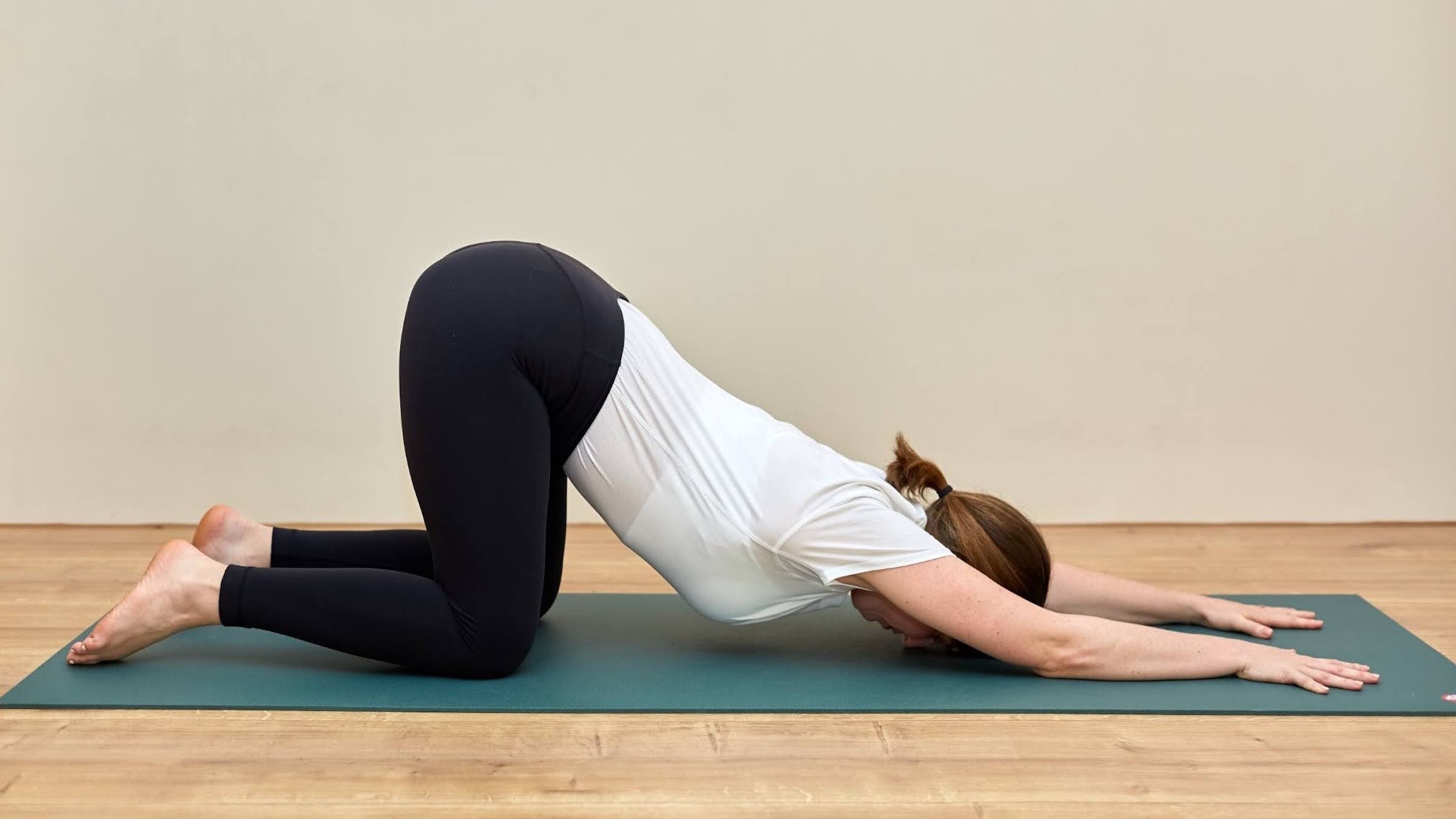
1. Puppy Pose: Awakening the Upper Back (2 Minutes)
The journey begins on all fours. This pose serves as a gentle introduction to extension.
- The Technique: Reach your arms forward while keeping your hips stacked over your knees. Lower your chest toward the mat. If your knees are sensitive, utilize a folded blanket for support.
- The Target: This pose targets the thoracic spine and the shoulders, effectively counteracting the "slouch" associated with desk work.
- Refinement: If the sensation is too intense, bend the elbows. After two minutes, transition into a prone position, resting your entire front body on the mat for one minute to allow the blood flow to normalize.
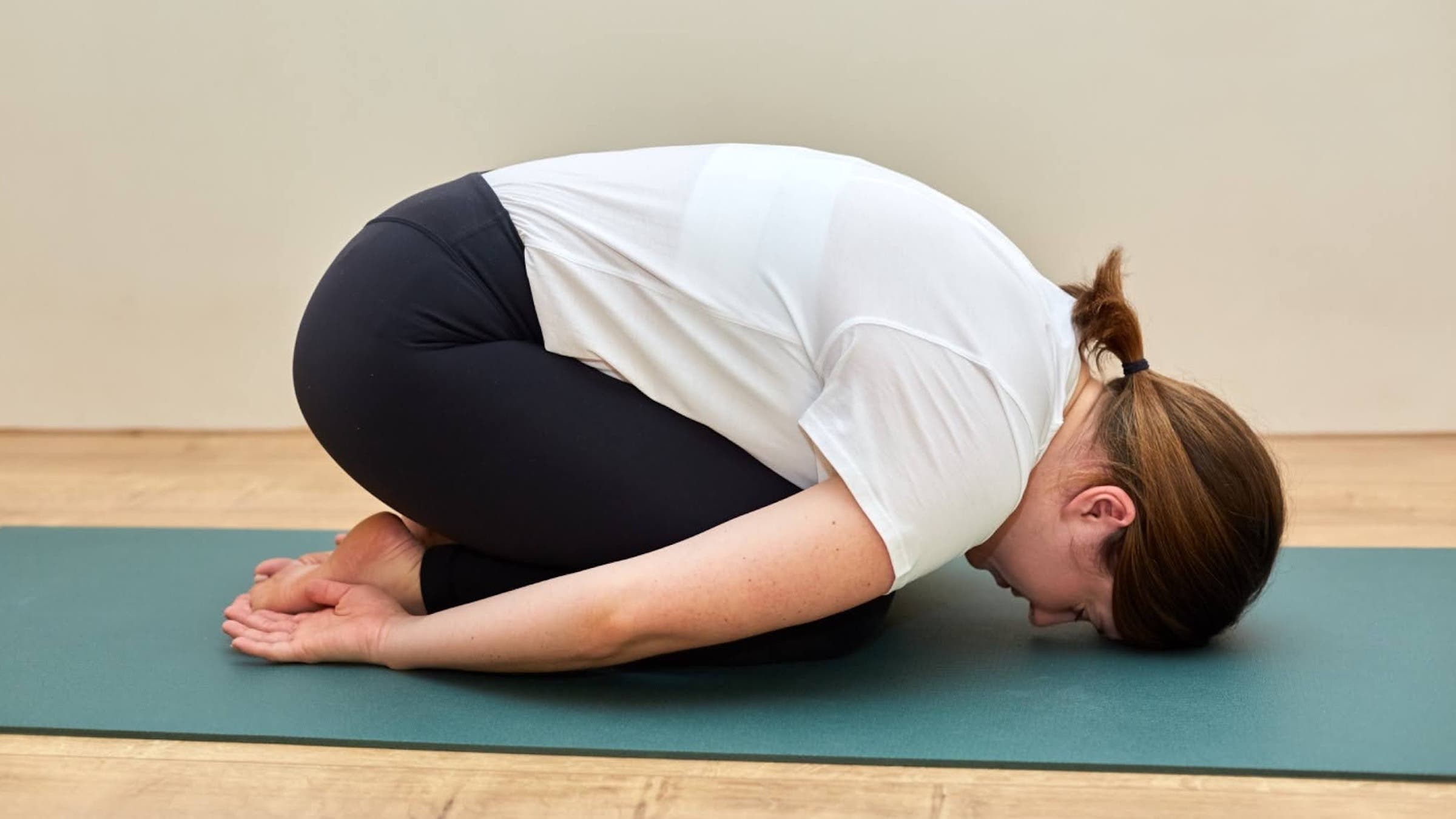
2. Child’s Pose: Releasing the Lower Back (2 Minutes)
Child’s Pose is the quintessential restorative posture. By keeping the knees together, the focus shifts from the hips to the lumbar region.
- The Technique: Sit your hips toward your heels. You may use a block under your forehead or your hips to bridge any gap.
- The Target: This creates a gentle, sustained stretch in the lower back (lumbar spine).
- Alternative: For those with knee or ankle sensitivities, the "Supine Knee-to-Chest" variation—lying on your back and hugging your knees—provides the same spinal decompression without the stress on the lower joints.
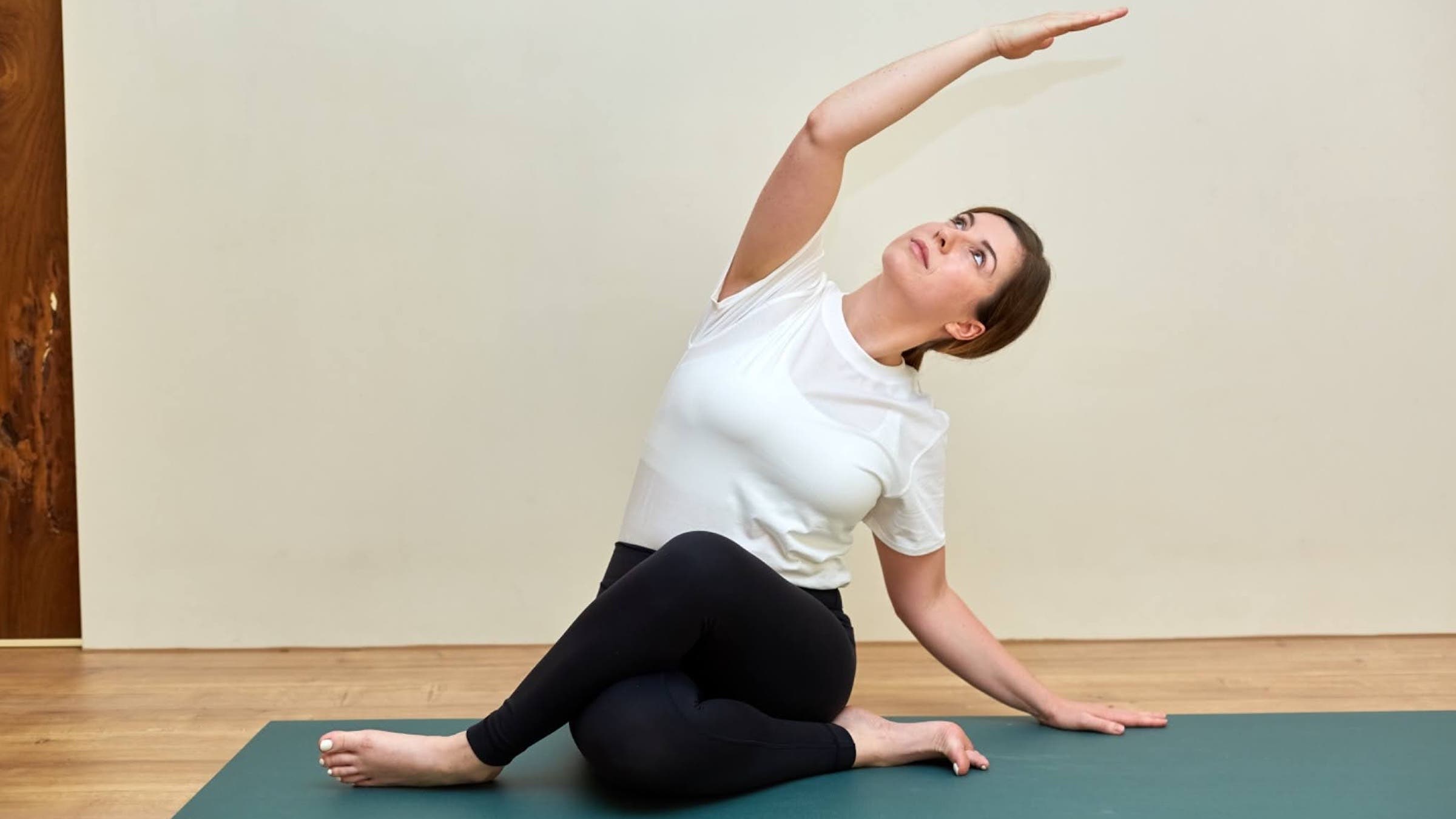
3. Shoelace Pose: Lateral Spinal Decompression (2 Minutes per side)
Lateral movement is often neglected in standard exercise routines. The Shoelace pose addresses the side body (obliques and intercostal muscles) while providing a deep hip opener.
- The Technique: From a seated position, stack your knees (or cross your legs). Lean toward the top leg, bringing your elbow to the floor. Reach the opposite arm overhead to elongate the ribcage.
- The Target: By stretching the side body, you relieve the "pull" on the spine that often leads to asymmetrical back pain.
4. Shoelace Twist: Rotating for Spinal Health (2 Minutes per side)
Twists are vital for spinal mobility. They wring out tension and stimulate blood flow to the intervertebral discs.
- The Technique: Maintaining the leg position from the previous pose, bring your opposite arm to the outside of your top knee. Rotate slowly from the base of the spine, looking over the shoulder.
- The Target: This targets the deep rotators of the spine. The slow, rhythmic pace ensures that you are not forcing the rotation, which protects the vertebral integrity.
5. Easy Pose: Integration (3–5 Minutes)
The final stage of the practice is silence. By remaining in a seated Easy Pose or transitioning to Corpse Pose (Savasana), you allow the body to integrate the physical changes made during the previous twelve minutes.
Supporting Data: The Clinical Perspective
Research from institutions like the National Center for Complementary and Integrative Health (NCCIH) consistently highlights the efficacy of mind-body therapies for chronic back pain. A study published in the Journal of the American Osteopathic Association found that yoga participants reported a 30% to 50% reduction in back pain intensity after just three months of consistent practice.
The benefits are twofold:
- Mechanical: Increased elasticity in the fascia allows for a greater range of motion.
- Psychological: Pain is not just a physical sensation; it is an emotional experience. The mindfulness component of Yin Yoga reduces the "pain-anxiety loop," where the fear of movement causes muscles to tighten, further exacerbating the injury.
Official Responses and Expert Recommendations
Physical therapists and orthopedic specialists are increasingly recommending Yin Yoga as a complement to traditional clinical treatments. "The beauty of this practice is its emphasis on ‘listening to the body,’" says Dr. Elena Rossi, a specialist in spinal rehabilitation. "Patients often ignore their body’s signals until they hit a breaking point. Yin Yoga teaches a patient to recognize the difference between a ‘good’ stretch and a ‘bad’ pain. This distinction is the cornerstone of injury prevention."
However, experts urge caution:
- Respect Limitations: If you have a herniated disc, spinal fusion, or acute injury, consult a physician before beginning any new exercise routine.
- The "Goldilocks" Rule: You should feel a sensation of tension, but never sharp, shooting, or radiating pain. If you experience tingling or numbness, exit the pose immediately.
Implications for Future Health
The shift toward restorative movement represents a broader cultural pivot toward sustainable wellness. In an era of constant connectivity and sedentary living, the 15-minute Yin practice is a vital intervention. It is not about reaching the floor with your fingers or performing an advanced posture; it is about reclaiming agency over your nervous system and your structural health.
By integrating these five simple steps into a daily or bi-weekly routine, the implications are significant: improved sleep quality, reduced reliance on analgesic medication, and a more resilient spine capable of handling the rigors of daily life.
The invitation is simple: pause. In those quiet moments between breaths, in the stillness of a long hold, you are doing more than just stretching—you are reconstructing your physical foundation from the inside out. Remember that consistency outweighs intensity. A 15-minute practice performed with presence and care is infinitely more valuable than a grueling hour performed with ego.
Listen to your body. Honor its pace. Your back will thank you.