








In an era defined by desk-bound labor and digital leisure, the human body is being pushed into an evolutionary mismatch. Modern adults, particularly those in the workforce, spend an average of six hours a day in a seated position. While this shift in lifestyle has been blamed for everything from postural issues to metabolic syndrome, new research from the University of Birmingham has illuminated a more insidious consequence: the rapid, measurable degradation of vascular function.
However, a groundbreaking study published in the Journal of Physiology offers a promising nutritional intervention. Researchers have discovered that regularly consuming foods rich in flavanols—a class of naturally occurring polyphenols found in cocoa, tea, berries, and apples—can effectively shield the blood vessels from the detrimental effects of prolonged inactivity.
The Hidden Cost of Sitting: A Vascular Crisis
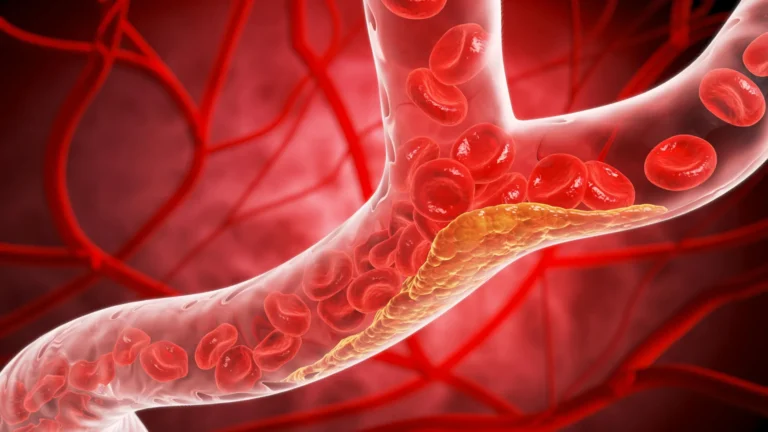
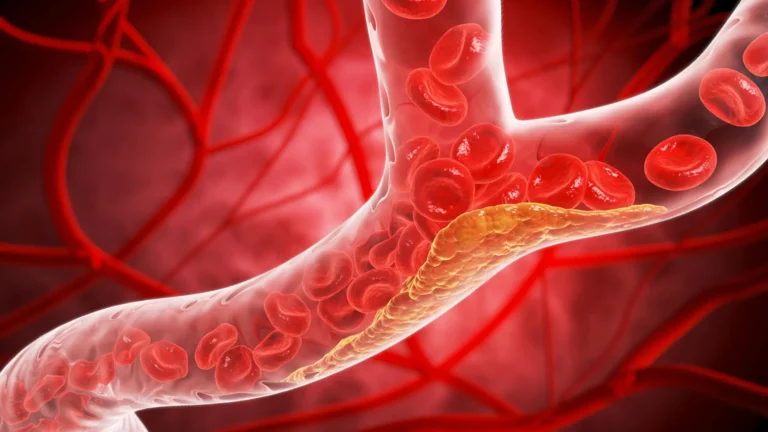
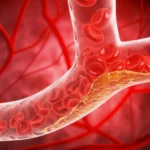
The physiological impact of sitting is often invisible until it is too late. Scientific consensus has long established that uninterrupted periods of sitting lead to a reduction in vascular function. This is typically measured via brachial Flow-mediated dilatation (FMD), a non-invasive ultrasound technique that assesses how well an artery can dilate to accommodate increased blood flow.
The implications of even minor declines in FMD are profound. Previous longitudinal studies have indicated that a mere 1% drop in FMD corresponds to a 13% increase in the risk of cardiovascular events, including heart disease, strokes, and myocardial infarctions.
A Growing Public Health Burden
The urgency of this research cannot be overstated. Cardiovascular disease (CVD) remains a leading cause of mortality globally. In the United Kingdom, the British Heart Foundation (BHF) recently reported a distressing 18% increase in deaths among working-aged adults in 2023 compared to 2019, totaling 21,975 fatalities. Furthermore, the economic burden is staggering, with the annual cost of managing cardiovascular diseases in the UK estimated at approximately £29 billion.
"Whether we are sitting at desks, behind the wheel of a car, on a train, or on the sofa reading a book or watching TV, we all spend a lot of time seated," explains Dr. Catarina Rendeiro, Assistant Professor in Nutritional Sciences at the University of Birmingham and lead author of the study. "Even though we are not moving our bodies, we are still putting them under stress. Finding ways to mitigate the impact that sitting for uninterrupted periods has on our vascular system could help us cut the risk of developing cardiovascular diseases."
Chronology of the Clinical Trial
To investigate whether dietary flavanols could serve as a protective buffer, the research team conducted a controlled clinical trial involving forty healthy young men. The study design was meticulously structured to isolate the effects of flavanols from other variables, such as baseline physical fitness.
The Methodology
The participants were divided into two groups based on their fitness levels: twenty individuals with high cardiorespiratory fitness and twenty with lower fitness levels. This stratification allowed the researchers to determine if exercise-induced vascular health could provide a natural "immunity" to the negative effects of sitting.
The trial protocol proceeded as follows:
- Baseline Assessment: Researchers measured vascular health markers, including FMD, diastolic blood pressure, and blood flow velocity in the arms and legs.
- Intervention: Participants consumed either a high-flavanol cocoa drink (containing 695 mg of total flavanols) or a low-flavanol cocoa drink (containing 5.6 mg of total flavanols).
- The Sitting Challenge: Following consumption, all participants underwent a two-hour period of uninterrupted sitting.
- Post-Challenge Assessment: The team repeated the vascular health measurements to identify any physiological deviations.
Note: The study focused exclusively on men to avoid the confounding variables associated with estrogen fluctuations during the menstrual cycle, which are known to influence vascular reactivity. Future research is already being planned to include female cohorts.
Supporting Data: The Power of Polyphenols
The data gathered from the trial provided a clear, empirical narrative regarding the efficacy of flavanols.
The Failure of "Fitness" Alone
Perhaps the most surprising finding was the performance of the control group. Participants—regardless of whether they were classified as "fit" or "less-fit"—who consumed the low-flavanol drink exhibited significant physiological declines. Specifically, they experienced:
- A reduction in FMD in both arm and leg arteries.
- A spike in diastolic blood pressure.
- A decrease in shear rate and overall blood flow.
- A reduction in oxygenation within the leg muscles.
These results suggest that physical fitness, while beneficial for overall health, does not provide an "armor" against the acute vascular dysfunction caused by sedentary behavior.
The Protective Effect of Flavanols
In stark contrast, the participants who consumed the high-flavanol cocoa drink remained resilient. Their FMD levels remained stable throughout the two-hour sitting period, matching their baseline measurements. This is the first time a study has provided concrete evidence that a nutritional intervention can prevent sitting-induced vascular dysfunction.
Furthermore, the data revealed that baseline fitness did not alter the body’s response to the flavanols, suggesting that the benefits of these compounds are universal and accessible regardless of one’s current exercise routine.
Expert Perspectives: The Scientists Speak
The research team emphasized that the findings should not be interpreted as a "get out of jail free card" for a sedentary lifestyle, but rather as a strategic tool for mitigating unavoidable risks.
Dr. Sam Lucas, Professor of Cerebrovascular, Exercise & Environmental Physiology at the University of Birmingham and co-author, noted the significance of the result: "Our experiment indicates that higher fitness levels do not prevent the temporary impairment of vascular function induced by sitting when only drinking low-flavanol cocoa. Importantly, after the high-flavanol drink, both fitter and less-fit participants kept their FMD the same as it was before sitting for two hours."
The team’s consensus is that while the mechanism is powerful, it is best utilized as part of a holistic approach to health. Alessio Daniele, a PhD student on the research team, highlighted the ease with which individuals can implement these findings.
"It is actually quite easy to add high-flavanol foods to your diet," Daniele said. "There are cocoa products available in supermarkets and health stores which are processed through methods that preserve flavanol levels. If cocoa isn’t your thing, fruits like apples, plums, and berries, nuts, and black and green tea are all common kitchen staples and are readily available."
Implications for Modern Living
The implications of this study extend far beyond the laboratory. As sedentary occupations become the norm, public health strategies must evolve to include dietary interventions that protect the vascular system in real-time.
A New Nutritional Strategy
The study suggests that timing matters. Consuming flavanol-rich foods during the workday—perhaps as a mid-morning or mid-afternoon snack—could act as a protective dose against the inevitable periods of inactivity.
Dr. Rendeiro concludes with a practical recommendation: "Given how common sedentary lifestyles have become and the increased risk this can have to vascular health, using flavanol-rich food and drink, especially in combination with breaking up periods of inactivity by going for a short walk or standing up, could be a good way to enhance long-term health, no matter the individual’s fitness level."
Future Research Directions
The research team is already looking ahead to the next phase of discovery. Expanding the demographic scope to include women is a high priority, as is investigating the long-term cumulative effects of consistent flavanol intake on those in highly sedentary jobs. Additionally, researchers are interested in whether these findings apply to older populations, whose vascular systems may be more susceptible to the stressors of aging and inactivity.
Conclusion
The findings from the University of Birmingham represent a significant leap forward in nutritional science. By identifying a simple, accessible way to buffer the body against the mechanical stress of sitting, the study provides a roadmap for individuals to take agency over their cardiovascular health. While the walk to the water cooler or the standing desk remains a vital habit, the inclusion of berries, tea, and high-quality cocoa may just be the secret weapon needed to keep our blood vessels flexible and healthy in an increasingly sedentary world.