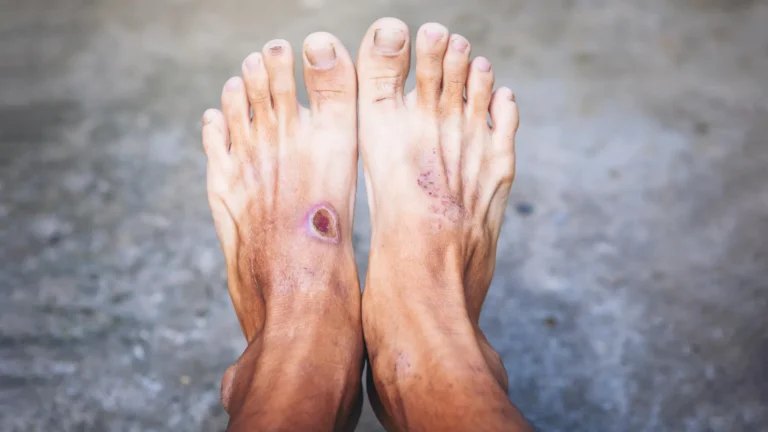
In the complex landscape of human aging, one of the most stubborn challenges is the body’s diminishing capacity to repair itself. As we age, our skin—the body’s largest organ—undergoes a transformation that goes far beyond aesthetic concerns like wrinkles or loss of elasticity. It becomes biologically "tired," less responsive to trauma, and significantly slower to mend. However, groundbreaking research is beginning to shift the paradigm, suggesting that the key to rejuvenating aging skin lies in eliminating a specific population of malfunctioning cells.
According to a study published in Aging (Aging-US), researchers at the Boston University Aram V. Chobanian and Edward Avedisian School of Medicine have successfully demonstrated that a topical treatment designed to clear "senescent cells"—often colloquially referred to as "zombie cells"—can dramatically accelerate wound healing in aged tissue. This finding marks a significant milestone in regenerative medicine, offering a potential roadmap for improving surgical outcomes and treating chronic wounds in the elderly.
The Science of Senescence: Understanding the "Zombie" Burden
To understand why this discovery is so transformative, one must first understand the nature of cellular senescence. Throughout our lives, cells undergo a natural life cycle: they divide, perform their functions, and eventually die. However, as the human body ages, some cells stop dividing but refuse to die. Instead, they enter a state of permanent growth arrest known as senescence.
These "zombie cells" are not merely dormant; they are metabolically active and highly disruptive. They secrete a cocktail of inflammatory proteins, growth factors, and enzymes known as the Senescence-Associated Secretory Phenotype (SASP). While this secretion can be beneficial in short bursts—such as during the initial phases of wound healing—persistent accumulation of these cells creates a chronic, low-grade inflammatory environment that degrades healthy tissue and blunts the body’s regenerative signals.
In the study led by Maria Shvedova, Rex Jeya Rajkumar Samdavid Thanapaul, and their colleagues, the team hypothesized that by using a "senolytic" drug—a class of compounds specifically designed to induce death in senescent cells—they could effectively "reset" the skin’s biological environment to a more youthful, responsive state.
Chronology of the Breakthrough
The path to this discovery was characterized by a meticulous, multi-phase experimental approach that spanned several years.
Phase 1: Identifying the Target
The researchers began by isolating skin samples from aged subjects to confirm the density of senescent cells. They established a clear correlation: as the density of these cells increased, the surrounding tissue exhibited reduced collagen production and compromised structural integrity.
Phase 2: The Topical Intervention
In the pivotal animal trials, the team utilized ABT-263, a potent senolytic agent. Rather than administering the drug systemically—which can often lead to off-target effects and systemic toxicity—the researchers opted for a topical application. Aged mice were treated with the topical formulation for a period of five days. The objective was to clear the senescent burden locally without disturbing the systemic biological processes of the mice.
Phase 3: Measuring the Recovery
Following the treatment period, the researchers created controlled wounds to observe the healing kinetics. The results were stark. By day 24, 80% of the treated mice had achieved full wound closure, whereas only 56% of the untreated, control group had reached the same milestone. This statistical discrepancy provided empirical evidence that clearing senescent cells significantly boosts the skin’s reparative capacity.
Supporting Data and the "Inflammation Paradox"
Perhaps the most counterintuitive discovery in the research was the role of inflammation. In general medical consensus, chronic inflammation is the enemy of healing. However, the study revealed that the application of ABT-263 triggered a brief, acute burst of inflammation.
Rather than hindering the process, this controlled inflammatory surge acted as a "wake-up call" for the skin’s stalled biological machinery. The treatment successfully re-activated dormant healing pathways, including:
- Enhanced Collagen Synthesis: The essential structural protein required for skin tensile strength.
- Angiogenesis: The growth of new blood vessels, which are critical for delivering nutrients to the site of an injury.
- Tissue Remodeling: The efficient reorganization of the extracellular matrix to close the wound site without excessive scarring.
This "inflammation paradox" suggests that aging skin suffers not just from a lack of resources, but from a lack of signaling. The senescent cells essentially "muffle" the body’s natural alarms; by clearing them, the researchers effectively turned the volume back up on the healing process.
Official Perspectives and the Evolution of the Field
The implications of this study have rippled through the scientific community, sparking a wave of subsequent research. A 2025 review in Ageing Research Reviews highlighted cellular senescence as a fundamental driver of not just skin aging, but of broader age-related skin pathologies. The consensus is moving toward the view that the skin is a prime candidate for "localized rejuvenation" because of its accessibility.
The 2026 Diabetic Wound Milestone
Building on the foundation laid by the Boston University team, a 2026 study pushed the envelope further by addressing diabetic wound healing. Diabetic ulcers are notoriously difficult to treat, often failing to heal due to the very same senescent accumulation observed in natural aging. Researchers developed a specialized wound dressing impregnated with ABT-263. The result was a dramatic improvement in healing rates in diabetic mice, with the added benefit of zero detectable systemic toxicity—a critical requirement for clinical translation.
The Nuance of Senescence
Scientists are careful to advise caution. A 2024 review in Frontiers in Immunology serves as a critical counter-balance, noting that not all senescent cells are "bad." During the very early stages of a wound, senescent cells actually play a role in coordinating the repair effort. The challenge for future medicine is "precision timing"—removing the cells that have overstayed their welcome without interfering with the cells that are actively facilitating the initial recovery.
Clinical Implications: The Future of Surgery and Care
For the aging population, these developments represent a potential sea change in preoperative and postoperative care. Currently, older patients face a significantly higher risk of complications following surgery, ranging from dehiscence (the splitting open of a surgical wound) to chronic infections and slow healing.
If a topical senolytic could be applied to a surgical site—or even used as a "pre-conditioning" treatment in the days leading up to an operation—it could drastically reduce recovery times and associated healthcare costs.
"Our study underscores the potential of topical senolytic treatments to enhance wound healing in aging skin, presenting a potentially promising strategy for preoperative care," the researchers stated. The vision is a future where "geriatric surgery" is no longer synonymous with "slow recovery."
Challenges and the Road Ahead
Despite the excitement, the transition from mice to humans is fraught with technical and regulatory hurdles. The researchers emphasize that while the data is robust, it remains in the preclinical phase. Several key questions must be answered before a human trial can be considered:
- Dosing and Delivery: Determining the optimal concentration of ABT-263 to achieve therapeutic effects without causing local irritation or skin damage.
- Long-term Safety: While systemic toxicity was not observed in these models, the long-term effects of chronic topical senolytic use on skin health and the skin microbiome remain unknown.
- Human Variability: Human skin is structurally different from murine skin. The thickness, cell turnover rates, and immune responses differ significantly, meaning the treatment may require modification for human application.
Conclusion: A New Era of Skin Biology
The research into senolytics is moving the needle from "managing" the symptoms of aging to "reversing" the underlying cellular mechanisms that drive them. By identifying that our skin’s inability to heal is not an inevitable fate, but rather a biological consequence of accumulated cellular debris, science has opened a new door.
We are entering an era where the skin may be "reprogrammed" to behave as it did in our younger years. While we are still in the early stages of this journey, the prospect of using topical, targeted therapies to enhance our body’s resilience is a compelling goal. For the millions of older adults who face the reality of fragile skin and the complications of slow healing, the "zombie cell" research offers something that has been in short supply: the hope of a faster, safer, and more effective recovery. As the field matures, we may find that the key to staying younger for longer was inside us all along—waiting to be cleared away.