









In a groundbreaking discovery that bridges the worlds of nutritional science and oncology, researchers at the University of Chicago have unveiled a dual identity for zeaxanthin—a carotenoid long celebrated for its role in maintaining ocular health. Published in Cell Reports Medicine, the study suggests that this simple, plant-derived pigment may hold the key to significantly amplifying the efficacy of modern cancer immunotherapies. By enhancing the performance of CD8+ T cells, zeaxanthin is emerging not just as a supplement for the eyes, but as a potential ally in the body’s most critical war against malignancy.
The Core Discovery: A New Frontier in Nutritional Immunology
For decades, zeaxanthin has been a staple of supplement regimens designed to combat age-related macular degeneration and other vision-related conditions. However, the latest research from the University of Chicago suggests that its biological utility extends far beyond the retina.
The research team, led by Dr. Jing Chen, the Janet Davison Rowley Distinguished Service Professor of Medicine, set out to map how various dietary nutrients influence the immune system’s ability to detect and neutralize tumor cells. By screening a vast library of nutrients found in human blood, the scientists isolated zeaxanthin as a high-impact compound capable of modulating T-cell activity.
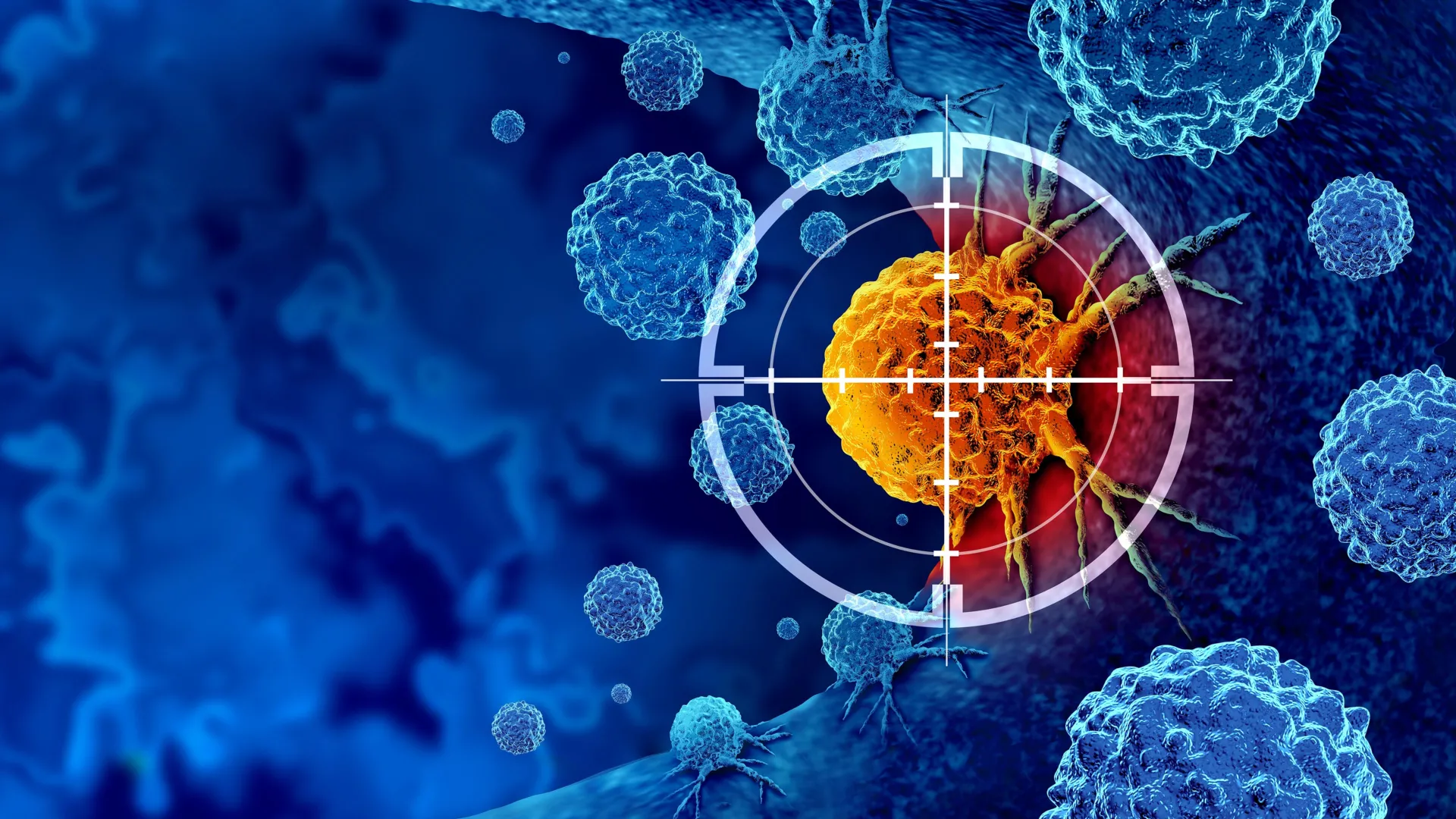
At the heart of the immune system’s defense against cancer are CD8+ T cells—often referred to as "killer T cells." These cells act as the body’s internal surveillance agents, tasked with identifying and destroying cells that have mutated into cancer. The University of Chicago team discovered that zeaxanthin acts as a molecular stabilizer for the T-cell receptor (TCR), the essential structure that allows these cells to recognize pathogens and tumors. By reinforcing this receptor, zeaxanthin facilitates stronger signaling, leading to enhanced activation, increased cytokine production, and a more lethal response against malignant growths.
A Chronology of Research: From Dietary Screening to Molecular Breakthrough
The path to this discovery was neither sudden nor serendipitous; it was the result of a rigorous, multi-year investigation into the metabolic underpinnings of immunity.
The Foundation (Early Years)
Dr. Chen’s laboratory has long focused on the intersection of metabolism and immunology. The lab’s initial inquiries were broad, seeking to identify which blood-borne nutrients—ranging from amino acids to complex lipids—correlated with heightened immune responsiveness. This foundational work required the development of sophisticated screening protocols capable of isolating individual nutrients and testing them against immune cell cultures in real-time.
The Screening Phase
During the middle phase of the research, the team conducted a high-throughput screening process. They cross-referenced a diverse library of nutrients against the functional output of CD8+ T cells. Zeaxanthin stood out as a clear outlier. Unlike other compounds that provided marginal improvements, zeaxanthin demonstrated a profound ability to enhance the TCR complex’s stability, essentially "tuning" the immune cell to be more sensitive to the presence of cancer markers.
The Validation Phase (Pre-clinical Models)
Following the identification, the researchers moved into in vivo testing. Using mouse models, they observed that dietary supplementation with zeaxanthin not only suppressed the rate of tumor growth but also created a more favorable microenvironment for the immune system. When combined with immune checkpoint inhibitors—the current gold standard in immunotherapy—the results were synergistic. The combination treatment outperformed either therapy alone, suggesting that zeaxanthin could be a "force multiplier" in clinical settings.
Supporting Data: Mechanisms and Synergy
The potency of zeaxanthin lies in its precise interaction with the T-cell architecture. When a T cell approaches a cancer cell, the TCR must bind to the tumor antigen to initiate a killing sequence. If the TCR is unstable or the signal is weak, the cancer cell can go unnoticed or suppress the T cell’s function.
Molecular Stabilization
The data reveals that zeaxanthin effectively "primes" the TCR. By stabilizing the complex, it ensures that when a T cell encounters a cancerous threat, the resulting signaling cascade is robust. This leads to an uptick in the production of granzymes and perforins—the "ammunition" T cells use to puncture and destroy target cells.
Enhancing Engineered T Cells
Perhaps most significantly, the researchers tested the nutrient’s effect on engineered T cells, including those used in CAR-T therapy—a form of immunotherapy where a patient’s own immune cells are modified in a lab to target specific cancers. In trials involving melanoma, multiple myeloma, and glioblastoma, zeaxanthin improved the destructive capacity of these engineered cells. This finding is critical, as it suggests the nutrient could be used to improve the outcomes of some of the most expensive and complex cancer treatments currently in development.
Official Responses and Expert Perspectives
Dr. Jing Chen, the study’s senior author, views these findings as a pivot point in how we approach cancer care. "We were surprised to find that zeaxanthin, already known for its role in eye health, has a completely new function in boosting anti-tumor immunity," Dr. Chen remarked in a university release. "Our study shows that a simple dietary nutrient could complement and strengthen advanced cancer treatments like immunotherapy."
The sentiment is echoed by the broader scientific community, which has long grappled with the issue of "immune exhaustion," where T cells become overwhelmed and ineffective in the presence of aggressive tumors. By providing a nutritional boost, clinicians might be able to prolong the efficacy of immunotherapy, potentially reducing the dosage of harsh drugs required to achieve remission.
Furthermore, the research team emphasizes that this discovery is part of a larger, systemic effort to catalog the influence of diet on immunity. Dr. Chen’s team previously identified trans-vaccenic acid (TVA), a fatty acid found in dairy and meat products, as another potent enhancer of T-cell function. These two discoveries—one from a plant-based pigment and another from animal-derived fat—highlight the complexity and potential of nutritional immunology.
Implications for Future Cancer Care
The implications of this research are vast, particularly regarding the accessibility and safety of future cancer protocols.
Accessibility and Cost-Effectiveness
Unlike many synthetic pharmacological agents, zeaxanthin is inexpensive, widely available as an over-the-counter supplement, and found naturally in a variety of foods, including orange peppers, spinach, and kale. If future clinical trials confirm the benefits observed in the laboratory, zeaxanthin could represent a rare instance where a high-efficacy intervention is also highly accessible to patients globally.
A New Philosophy in Treatment
The research signals a transition toward a more holistic approach to oncology. Rather than focusing solely on the destruction of the tumor, the medical community is increasingly looking at how the "host environment"—the patient’s own biological state—can be optimized to support healing. Nutritional immunology, as defined by Dr. Chen, moves beyond general advice like "eat healthy" and seeks to identify specific molecules that interact with the immune system at the molecular level.
The Road Ahead: Clinical Trials
Despite the enthusiasm surrounding the findings, the researchers remain measured. "Our findings open a new field of nutritional immunology," Dr. Chen noted. However, he cautioned that the transition from laboratory mice and in vitro human cell lines to clinical practice requires extensive testing.
The next phase of the research will involve rigorous human clinical trials to determine appropriate dosing, bioavailability, and whether the effects observed in the lab translate into improved survival rates or higher response rates in human patients. Researchers will need to determine how zeaxanthin interacts with various chemotherapy regimens and whether it remains effective across different types of cancer.
Conclusion
The study, "Zeaxanthin augments CD8+ effector T cell function and immunotherapy efficacy," stands as a landmark in nutritional research. Supported by prestigious institutions including the National Institutes of Health and the Ludwig Center at the University of Chicago, the project has enlisted a massive, multi-disciplinary team of experts to ensure the validity of their findings.
As we look toward the future of oncology, the humble orange pepper might prove to be as vital to the patient’s toolkit as the latest high-tech immunotherapy drug. By focusing on how we can naturally bolster the body’s own defense mechanisms, researchers like Dr. Chen are not only opening new doors for treatment but are fundamentally changing our understanding of how diet and disease intersect. For patients currently undergoing immunotherapy, the prospect of an inexpensive, well-tolerated, and scientifically validated supplement to boost their treatment outcomes offers a beacon of hope in the ongoing fight against cancer.