









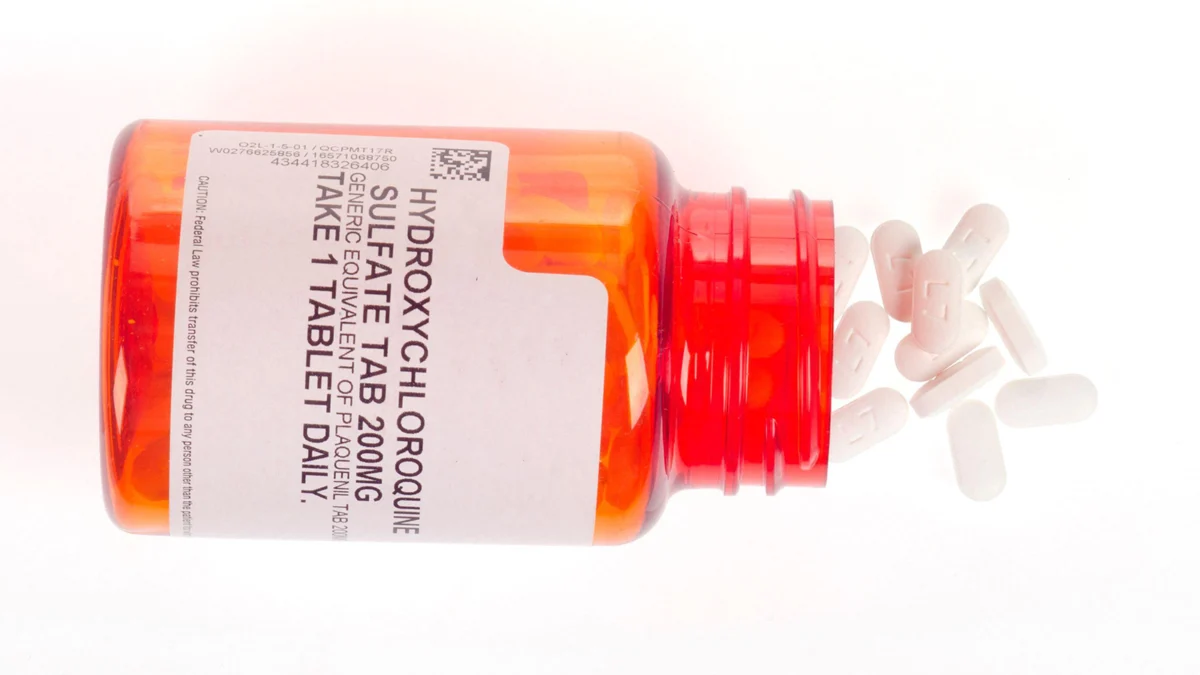
In the management of systemic lupus erythematosus (SLE), the gap between clinical prescription and patient practice is often where the most significant health declines occur. Hydroxychloroquine (HCQ) serves as the cornerstone of modern lupus therapy, yet its efficacy relies entirely on the patient’s ability to maintain a consistent dosing schedule. A groundbreaking study recently published in Arthritis & Rheumatology suggests that the solution to medication non-adherence may not be more complex pharmacology, but rather a shift in how we communicate medical risks and benefits.
The study, led by Dr. Shivani Garg of Yale University, demonstrates that a brief, visual-based educational intervention known as HCQ-SAFE can skyrocket patient adherence rates. By utilizing intuitive pictograms to demystify the benefits of the medication and the nature of its risks, clinicians were able to help patients navigate the "decisional conflict" that often leads to inconsistent dosing.
Main Facts: Bridging the Adherence Gap
The core challenge in treating lupus is the long-term, asymptomatic nature of the disease combined with the patient’s fear of side effects. HCQ is vital for preventing life-altering flares and organ damage, yet "spotty dosing" remains a pervasive issue.
Dr. Garg’s research involved 200 SLE patients, assessing their medication habits at baseline and again three months after the HCQ-SAFE intervention. The results were striking:
- Adherence Surge: At the start of the study, only 62% of participants were classified as adherent—defined as taking their medication at least 80% of the time. Three months post-intervention, that figure climbed to 90%.
- Consistent Dosing: The mean percentage of days that patients successfully took their medication rose from 73% at baseline to 91%.
- Reduced Disease Activity: Perhaps most importantly, the improvement in adherence translated into clinical outcomes. Patients saw an average reduction of 2.7 points on the SLE Disease Activity Index-2K (SLEDAI-2K) scale.
- Efficiency: The intervention is remarkably lean, requiring a median of just five minutes of clinic time to complete.
The Chronology: From Concept to Clinical Reality
The development of HCQ-SAFE was born from the realization that standard verbal counseling often fails to penetrate the barrier of medical jargon and patient anxiety.
Phase 1: Identifying the "Battle"
Years ago, while working at the University of Wisconsin-Madison, Dr. Garg and her team observed that many lupus patients viewed their treatment as a stressful burden. Patients reported that they lacked support in weighing the long-term benefits of HCQ against the fear of rare side effects, such as retinopathy. This internal struggle was particularly pronounced in Spanish-speaking communities, where patients often described the act of managing their disease as “la batalla”—a daily battle.
Phase 2: The Paper Prototype
In 2023, the team introduced the initial iteration of HCQ-SAFE. It utilized basic, cartoon-style graphics to illustrate mortality rates for those who adhered to HCQ versus those who did not. While effective, the tool was limited to paper, restricted to English, and lacked the reach required for modern, remote-integrated care.
Phase 3: Digital Transformation and Pragmatic Testing
Recognizing the need for a scalable, inclusive solution, the team digitized the tool, ensuring it could be accessed via tablets or computers during routine clinical visits. They then launched a pragmatic trial, recruiting 200 adult SLE patients. The research team intentionally included 22 healthcare providers—a mix of physicians, nurses, and pharmacists—to determine if the tool’s success depended on the expertise of the deliverer. The findings confirmed that the quality of the intervention remained consistent regardless of whether a doctor or a pharmacist led the discussion.
Supporting Data: Understanding Decisional Conflict
A primary driver of non-adherence is "decisional conflict," a psychological state where a patient feels unable to reconcile their treatment goals with their fears.
Using a 100-point questionnaire, the researchers measured this conflict before and after the intervention. At baseline, 43% of the participants reported high levels of decisional conflict (a score of 25 or higher). After engaging with the HCQ-SAFE pictograms, the average score for this group plummeted by 14 points.
This data indicates that the tool does not just "force" compliance; it empowers the patient to make an informed choice. By visualizing the small risk of side effects against the massive reduction in the risk of permanent organ damage, patients were able to resolve their internal conflicts, leading to more sustainable, long-term adherence.
Official Perspectives: The Role of Shared Decision-Making
The authors of the study have emphasized that HCQ-SAFE is not merely an educational pamphlet; it is a foundational piece of a "shared decision-making" model.
"Patients have reported difficulty in weighing benefits and harms, misalignment of treatment goals with their expectations and values, and lack of support in decision-making as key challenges," the investigators noted in their report. By placing the decision-making process into the hands of the patient through clear, visual evidence, the tool transforms the physician-patient relationship from a directive one to a collaborative one.
The clinicians involved in the study were highly receptive to the new protocol. All but one of the 22 healthcare providers indicated they were "extremely" or "very likely" to continue using the tool in their routine practice. This high level of clinician buy-in is essential for the long-term adoption of any digital health intervention.
Implications for Future Lupus Care
The success of the HCQ-SAFE trial opens several doors for the future of chronic disease management.
1. Scaling Inclusivity
While the study made strides in including a diverse patient population, the researchers acknowledge that their sample of Spanish-speaking patients was smaller than ideal. Future iterations of the tool must prioritize robust testing within diverse linguistic and socioeconomic groups to ensure that the "battle" against lupus is being fought with equitable tools.
2. Redefining the Standard of Care
The study highlights that clinical outcomes are inextricably linked to how we communicate. The fact that nurses and pharmacists were just as effective as physicians in delivering the tool suggests that HCQ-SAFE could be integrated into the workflow of busy practices without placing additional strain on doctors. This could effectively decentralize care, allowing pharmacists and nurse practitioners to lead patient education initiatives.
3. A Call for Further Research
The research team is clear-eyed about the study’s limitations, most notably the lack of a control group. While the improvement in adherence is statistically significant, further randomized controlled trials will be necessary to definitively isolate the tool’s effect from other factors, such as the Hawthorne effect (the tendency of participants to improve their behavior simply because they are being watched).
Furthermore, researchers are looking toward longer-term follow-ups. While the three-month improvement in adherence is promising, the true test of any chronic disease management tool is whether these habits persist over years, eventually leading to a reduction in long-term complications like kidney failure or cardiovascular disease in lupus patients.
Final Thoughts
The HCQ-SAFE trial represents a significant step forward in rheumatology. By replacing complex medical jargon with visual clarity, Dr. Garg and her team have demonstrated that patient adherence is not just a matter of "patient compliance," but a matter of effective communication. As digital health tools continue to evolve, simple, evidence-based visual interventions may well become the standard for managing the complex, lifelong conditions that define modern medicine.