








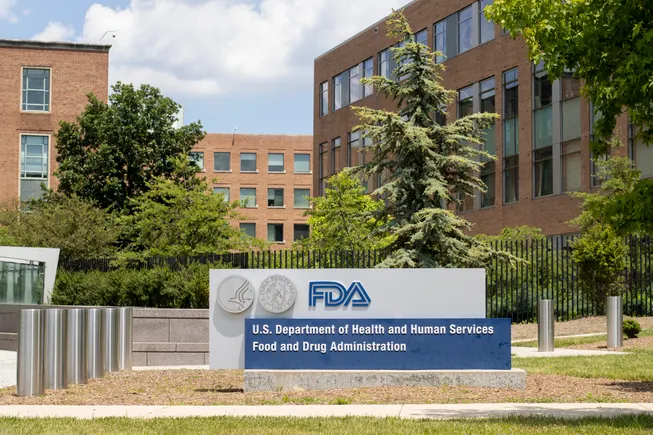
The landscape of precision oncology is undergoing a fundamental transformation as Guardant Health maneuvers to solidify its lead in the competitive liquid biopsy sector. Following a significant regulatory milestone from the U.S. Food and Drug Administration (FDA), the company is positioning its latest diagnostic innovation, the Guardant360 Liquid CDx, to replace its legacy offerings. Wall Street analysts suggest that this transition is not merely a technical upgrade, but a calculated financial strategy designed to command premium pricing, expand market share, and streamline the diagnostic workflow for oncologists treating patients with advanced solid tumors.
Main Facts: The Evolution of Guardant360
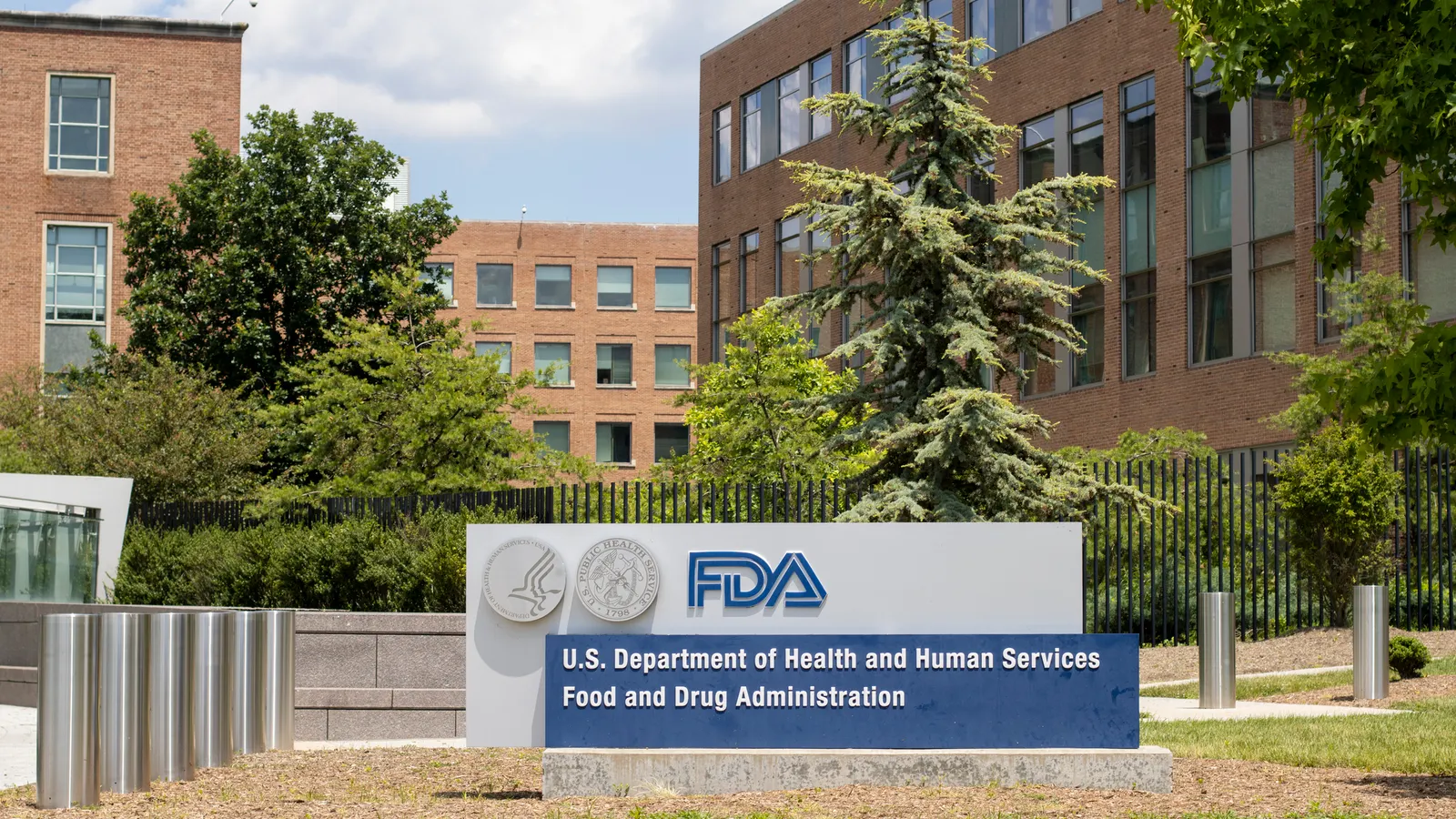
The core of this industry shift is the FDA’s recent regulatory approval of the Guardant360 Liquid CDx. While the company has long been a frontrunner in genomic profiling—having received its first FDA approval for the Guardant360 CDx in 2020—the new assay represents a massive leap in diagnostic capability.
The upgraded platform boasts a 100-fold increase in genomic coverage compared to its predecessor. This expansion allows physicians to identify a significantly broader array of actionable mutations, providing a more comprehensive profile of a patient’s tumor. Critically, the FDA has authorized the transfer of the seven companion diagnostic (CDx) approvals held by the legacy test to this new, more robust assay. By consolidating its regulatory clearances, Guardant is effectively standardizing its product portfolio, moving users away from older, narrower laboratory-developed tests (LDTs) toward a singular, high-value, FDA-approved solution.
Chronology: From LDT to FDA Standard
To understand the significance of this move, one must examine the progression of Guardant’s business model:
- 2020: Guardant achieves a major industry milestone with the FDA approval of the original Guardant360 CDx. This set the stage for liquid biopsies to move from the research fringe into the standard of care for solid tumor profiling.
- 2020–2024: The company maintained a dual-track strategy, selling both FDA-approved tests and LDT versions. LDTs allowed for rapid innovation and customization but faced stricter limitations regarding how they could be marketed and utilized in clinical workflows.
- 2024 (Recent): The FDA approves the Guardant360 Liquid CDx, effectively creating a "next-generation" standard for the company’s flagship product.
- The Immediate Future: Analysts from Leerink Partners, TD Cowen, and William Blair project a "wholesale shift" of the existing customer base toward the new assay. This transition is expected to reach completion by early next year, marking the end of the legacy LDT era for this specific product line.
Supporting Data: The Economics of Pricing
The financial implications of this transition are substantial. Currently, about 50% of the approximately 200,000 Guardant360 tests sold annually are categorized as LDTs. The pricing for the existing Guardant360 CDx is set at $5,000 under the Centers for Medicare and Medicaid Services (CMS) Advanced Diagnostic Laboratory Test (ADLT) program.
However, the transition to the new, more comprehensive test allows Guardant to renegotiate its value proposition. TD Cowen analysts estimate that the FDA-approved version of the new test could command an ADLT price between $6,000 and $9,000. While the base-case estimate sits at $7,500, some analysts at Leerink have suggested that a list price as high as $9,700 is within the realm of possibility.
This pricing power is a direct result of the "comprehensive" nature of the new test. By providing more data, the test offers greater utility to clinicians making treatment decisions, justifying a higher reimbursement tier. If realized, this shift could result in a 9% upside to the company’s total revenue projections for 2027, according to TD Cowen models.
Implications for the Competitive Landscape
The oncology diagnostics market is crowded, with major players like Roche’s Foundation Medicine vying for the same patient populations. Despite this, Guardant has successfully defended a market share exceeding 50%.
The FDA approval serves as a defensive moat. By migrating customers to a test with broader coverage and full regulatory approval, Guardant is making it increasingly difficult for competitors to displace them. The new test faces fewer institutional restrictions than LDTs, making it the "path of least resistance" for hospital procurement departments and large oncology practices.
William Blair analysts have noted that the regulatory "stamp of approval" is likely to increase test volumes, as it facilitates broader adoption among institutions that have previously been hesitant to utilize LDTs for critical genomic profiling.
Market Reception and Investor Sentiment
The market’s reaction to the news was swift and positive. Guardant’s stock surged over 17% immediately following the announcement, closing at $114.97. The momentum persisted into the following trading day, reflecting investor confidence in the company’s ability to execute a premium pricing strategy.
The shift toward higher pricing is not just a benefit for the company’s bottom line; it is a validation of the liquid biopsy as a permanent fixture in the modern oncology toolkit. As the cost of sequencing decreases, the value of the interpretation of that data—which Guardant provides—becomes the primary driver of the company’s valuation.

Future Outlook: Navigating the 2025–2027 Horizon
While the immediate focus is on the transition of existing users to the new assay, the broader industry implications are clear. Guardant is moving toward a model where diagnostic testing is not just a commodity service but a high-margin clinical decision support tool.
Analysts expect that Guardant will successfully secure these higher reimbursement rates by early next year, effectively pulling forward revenue gains that were previously forecasted for 2027. This acceleration is critical for a company operating in a high-growth, high-expenditure sector.
As Guardant scales, the company will likely face continued scrutiny regarding its pricing power, particularly from payers looking to contain the costs of genomic testing. However, as long as the Guardant360 Liquid CDx remains the gold standard for clinical utility, the company appears well-positioned to maintain its leadership. The success of this transition will serve as a bellwether for the entire liquid biopsy industry, signaling whether the market is ready to embrace higher-priced, comprehensive genomic profiling as the definitive standard for cancer care.
Conclusion: A Paradigm Shift in Diagnostics
The FDA approval of the Guardant360 Liquid CDx is more than just a regulatory checkbox; it is a strategic maneuver that redefines the company’s financial and competitive trajectory. By effectively phasing out legacy LDTs in favor of a superior, higher-priced diagnostic assay, Guardant Health is signaling a new phase of maturity.
For clinicians, the result is better, more comprehensive data to guide patient therapy. For investors, the result is a clear path toward margin expansion and market dominance. As the oncology world shifts toward increasingly personalized medicine, Guardant has ensured that it will remain the platform upon which that future is built. The coming months will be a critical period of implementation, but if the current analyst consensus holds, the company’s pivot to this enhanced diagnostic standard will be viewed as a pivotal moment in the history of precision oncology.