






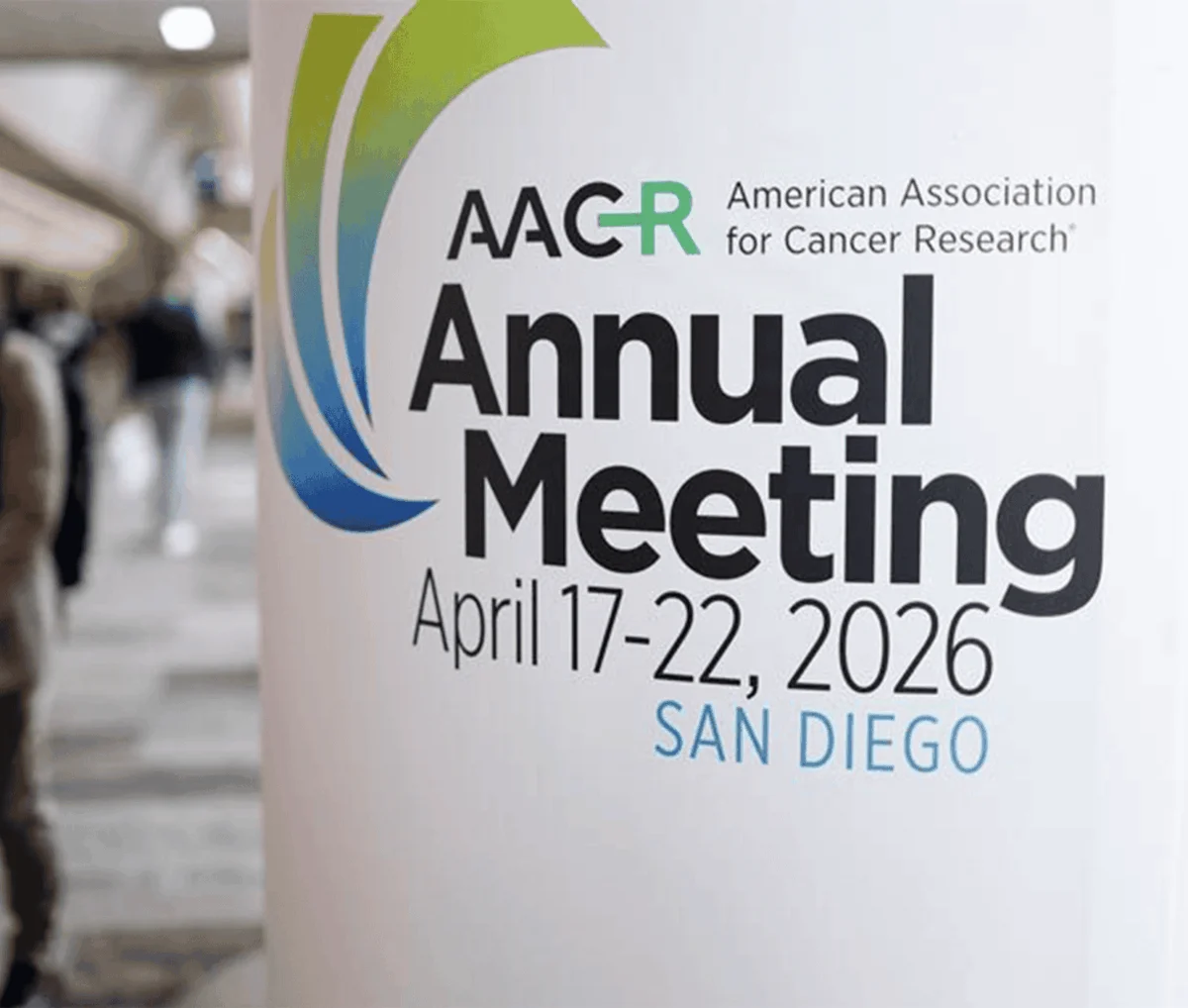
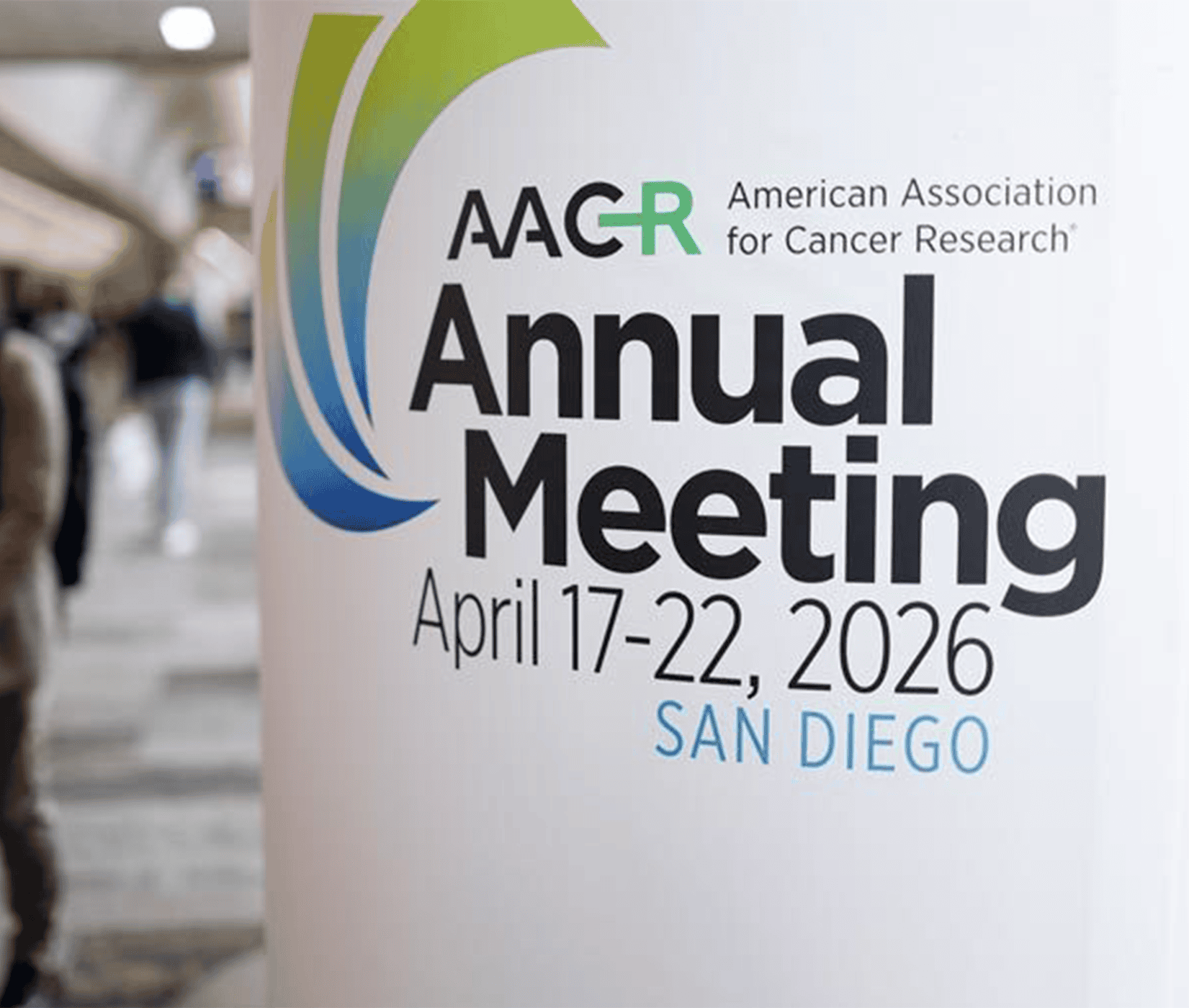
The 2026 American Association for Cancer Research (AACR) Annual Meeting, held in San Diego from April 17–22, served as a powerful testament to a new era in oncology. No longer defined by siloed discoveries, the field is undergoing a fundamental shift toward the integration of complex biology, cutting-edge technology, and robust policy frameworks. This convergence is not merely academic; it is actively reshaping how we perceive, treat, and ultimately, survive cancer.
Main Facts: A Paradigm Shift in Oncology
The central takeaway from the 2026 summit is the transition from "cancer as a cell" to "cancer as a system." Researchers are increasingly moving away from studying tumor cells in isolation, favoring a holistic view that incorporates the tumor microenvironment (TME). This ecosystem includes immune cells, metabolic pathways, the microbiome, and, most surprisingly, the nervous system.
The meeting highlighted that cancer is a dynamic, evolving entity. By moving toward precision immunotherapy—targeting specific immune pathways rather than broad activation—clinicians are seeing higher response rates and more durable outcomes. Furthermore, the barrier between treatment and prevention is blurring, with early-stage trials demonstrating that immunotherapy can effectively intercept disease before it becomes malignant.
Chronology of the 2026 Annual Meeting
The six-day conference in San Diego followed a carefully structured path of inquiry:
- April 17–18 (Discovery Phase): The opening sessions focused on fundamental biology. Researchers presented data on the influence of nerve signals on tumor progression, challenging the long-held belief that tumors are autonomous entities.
- April 19 (Technological Integration): Discussions shifted toward the "digitization" of cancer research. The spotlight was on artificial intelligence (AI) and spatial transcriptomics, which allow researchers to map the molecular geography of a tumor with unprecedented clarity.
- April 20 (Clinical Milestones): This day served as the showcase for high-impact clinical data, including breakthroughs in KRAS-mutated cancers and the expansion of CAR T-cell therapies into solid tumor landscapes.
- April 21 (Policy and Infrastructure): A critical dialogue occurred regarding the "valley of death" in clinical trials—the gap between successful laboratory research and patient access. The Researcher Town Hall brought to light the urgent need for federal funding stability.
- April 22 (Strategic Synthesis): The final day focused on the roadmap for the next decade, emphasizing the need for equitable access to clinical trials and the democratization of precision medicine.
Supporting Data: The Quantitative Landscape of Progress
The scientific rigor of AACR 2026 was bolstered by significant data sets, most notably from the Cancer Research Institute (CRI).
- Global Trial Diversity: Dr. Fahad Benthani’s analysis of over 24,000 global immunotherapy trials revealed a pivot toward more complex combination strategies. The data shows that the industry is moving away from "monotherapy" models, favoring multi-pronged approaches that utilize biomarkers to select patient populations.
- Efficacy in Precancer: The MD Anderson Cancer Center study on oral precancer provided one of the most compelling data points of the meeting. Direct injection of nivolumab (Opdivo®) achieved a 60% reduction in lesion size, with an 80% success rate in maintaining cancer-free status one year post-treatment. This represents a potential paradigm shift in early intervention.
- Solid Tumor Hurdles: Despite the difficulty of treating solid tumors, new data suggests that next-generation CAR T-cell therapies are showing improved persistence and trafficking, addressing the "trafficking" issue that has historically limited these therapies to liquid cancers like leukemia.
The Role of Technology: AI and Spatial Resolution
Technology has transitioned from a supporting role to a core driver of oncological innovation. The 2026 meeting highlighted two specific technological pillars:
1. Artificial Intelligence in Drug Discovery
AI is no longer just a trend; it is a standard laboratory instrument. By analyzing massive datasets, AI models are predicting how tumors respond to specific drug combinations before a single patient is enrolled in a trial. This drastically reduces the "trial and error" phase of drug development.
2. Spatial Transcriptomics
Platforms from companies like 10x Genomics are revolutionizing how we view the tumor microenvironment. By providing a "map" of which cells are talking to each other and where they are located, researchers can now identify why certain immune cells are blocked from attacking the tumor. This spatial context is the key to unlocking "cold" tumors—those that previously refused to respond to immunotherapy.
Official Responses and Researcher Perspectives
The consensus among the leadership at AACR and the Cancer Research Institute (CRI) is one of "cautious urgency."
Dr. Cynthia Neben, Director of Strategic Programs at CRI, noted that the bottleneck for modern oncology is no longer just a lack of ideas, but a lack of infrastructure. "We have the science to treat more patients than ever before," she stated during the Town Hall. "The challenge is that our clinical trial infrastructure is outdated. If we cannot get the patient to the trial, the most brilliant discovery in the lab remains theoretical."
The general sentiment among researchers is that the "undruggable" era is effectively over. With new therapies targeting KRAS mutations—the "holy grail" of lung and pancreatic cancer research—the atmosphere at the conference was one of profound optimism tempered by the reality of funding volatility.
Implications for the Future of Cancer Care
For Patients
The most immediate implication for patients is the potential for less invasive, more effective treatments. The success of the oral precancer trials indicates a future where we can treat "pre-cancer" as a manageable condition rather than waiting for a malignant diagnosis. Furthermore, as precision medicine becomes more common, the "one-size-fits-all" approach to chemotherapy is being replaced by personalized regimens that minimize side effects and improve quality of life.
For Researchers
The field is moving toward a highly collaborative model. The "lone wolf" researcher is being replaced by interdisciplinary teams that include data scientists, bioengineers, and clinicians. Future research will be defined by the ability to interpret multi-dimensional data, requiring a new generation of investigators who are as comfortable with algorithms as they are with petri dishes.
For Policy Makers
The AACR 2026 meeting served as a clarion call to governments and funding bodies. The global race for cancer innovation requires consistent, long-term financial backing. The implications of stalling in this field are not just economic—they are human. Policy must shift to prioritize the streamlining of clinical trial regulations to ensure that life-saving innovations move from the "bench to the bedside" with greater speed and equity.
Conclusion: The Path Forward
The 2026 AACR Annual Meeting confirmed that we are on the precipice of a new era. By viewing the body as a complex, interconnected system and using technology to bridge the gap between biological discovery and clinical implementation, the oncology community is fundamentally changing the prognosis for cancer patients worldwide.
The mandate for the next year is clear: we must translate these scientific breakthroughs into accessible, scalable, and equitable clinical realities. The focus is no longer merely on what is possible in the laboratory, but on what is practical for the patient. As the industry moves toward 2027, the emphasis will remain on integration—ensuring that the sum of our technological, biological, and policy-driven parts is finally greater than the disease itself.