At the 2026 American Association for Cancer Research (AACR) Annual Meeting, the global scientific community turned its attention to a pivotal figure in modern medicine. The Cancer Research Institute (CRI) and the AACR jointly bestowed the prestigious AACR-CRI Lloyd J. Old Award in Cancer Immunology upon Kenneth M. Murphy, MD, PhD.
This accolade, which honors scientists whose body of work has fundamentally altered the landscape of immunology, serves as a testament to Dr. Murphy’s career-long dedication to deciphering the intricate dance of the immune system. His foundational research into dendritic cells (DCs) and their role as the "orchestrators" of immune responses has moved from the periphery of theoretical biology to the very core of modern oncology.
The Architecture of the Award: Honoring a Legacy
The Lloyd J. Old Award is not merely a recognition of a single study; it is a tribute to sustained scientific excellence. For Dr. Murphy, the award highlights decades of labor spent mapping the cellular mechanics of the human immune system. By identifying the unique functions of dendritic cell subsets—specifically the cDC1 subset—Murphy provided the missing link in our understanding of how the body initiates a potent anti-tumor response.
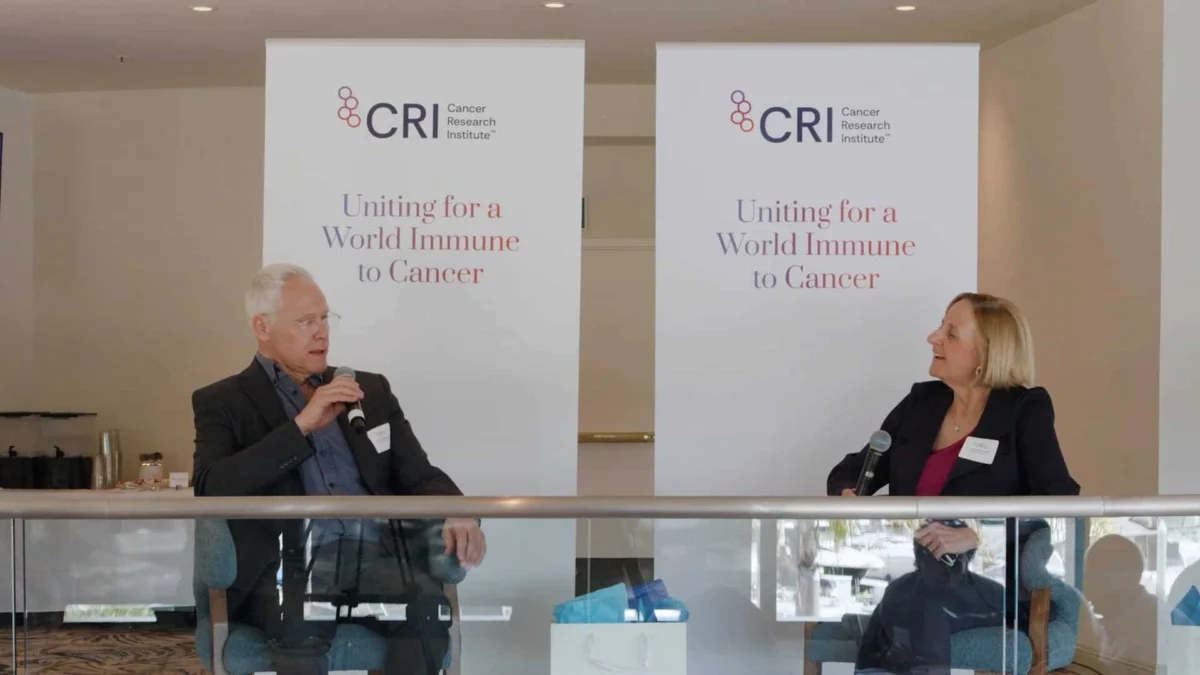
To mark the occasion, the CRI introduced an innovative format: a "fireside conversation" between Dr. Murphy and the 2025 award recipient, Crystal Mackall, MD. This dialogue moved beyond the dry recitation of data, offering a rare, candid glimpse into the messy, nonlinear, and often serendipitous process of scientific discovery.
Chronology of a Scientific Journey: From Curiosity to Clinical Impact
Dr. Murphy’s career serves as a masterclass in the value of basic science. During the fireside chat, he pushed back against the modern pressure to map out scientific breakthroughs as if they were corporate product cycles.
The Nonlinear Path
"We’re still asking the same question that we started off with," Dr. Murphy noted, reflecting on a career that spans decades. His journey did not begin with a goal to "cure cancer" in a traditional pharmaceutical sense. Instead, it began with a fundamental curiosity regarding how the immune system distinguishes between various threats and directs the appropriate cellular responses.
This curiosity-driven approach led to his identification of cDC1 cells—the elite "generals" of the immune system. His research demonstrated that these cells are uniquely equipped to prime CD8+ T cells, the "soldiers" responsible for identifying and destroying tumor cells. This discovery was a watershed moment; it explained why many patients failed to respond to early immunotherapies. Without the proper "priming" from the right type of dendritic cell, the T cells were effectively blind to the tumor’s presence.
Shaping Modern Immunotherapy
The implications of Murphy’s work are visible in the success of immune checkpoint inhibitors. By clarifying that these inhibitors rely on the existing, functional infrastructure of dendritic cells, Murphy’s research allowed clinicians to understand why certain tumors are "hot" (responsive) and others are "cold" (resistant).
Supporting Data and Biological Complexity
The conversation between Drs. Murphy and Mackall highlighted that, while we have reached a plateau of significant success, the mountain ahead remains steep. The discussion focused on several key technical frontiers:
- The Stem-Like T Cell Transition: One of the most critical unresolved mysteries in immunology is the process by which stem-like T cells differentiate into short-lived effector cells. Dr. Murphy emphasized that understanding the "switch" between these states is vital for long-term patient survival. If we can lock T cells in a stem-like, self-renewing state, we can theoretically create a permanent anti-tumor response.
- The Vaccine Paradox: Cancer vaccines have suffered from a cyclical reputation of "hype and crash." Dr. Murphy argued that the failure of many vaccine trials has been a failure of biological focus. "It’s not just the antigen," he explained. "It’s the delivery and the engagement of the right cells." His lab’s recent findings suggest that in mRNA and cDNA vaccine platforms, the engagement of the cDC1 subset is the non-negotiable variable for success.
- The AI Frontier: The speakers addressed the integration of Artificial Intelligence in research. While Dr. Murphy acknowledged that AI is an unprecedented tool for handling high-dimensional datasets—such as single-cell sequencing and spatial transcriptomics—he issued a warning. He argued that AI is a tool for pattern recognition, not a replacement for human intuition. "The machine can find the correlation," he noted, "but only the scientist can interpret the context."
Official Responses and the State of the Field
The atmosphere at the 2026 AACR Annual Meeting reflected a cautious optimism. The leadership of both the CRI and AACR underscored that the current era of cancer research is defined by the marriage of basic immunology and precision engineering.
Dr. Crystal Mackall, a luminary in her own right, provided a poignant reflection on the current challenges facing young investigators. She noted that the modern "information explosion" can actually be a hindrance to discovery. With access to endless data, young researchers often struggle to identify the right question to ask. The solution, according to both Murphy and Mackall, is a return to rigorous mentorship that prioritizes the synthesis of information over the mere accumulation of it.
Implications: The Road Ahead
The overarching takeaway from the award presentation and the subsequent dialogue is that cancer immunotherapy is entering its second, more mature phase.
The Shift Toward Precision Biology
The next generation of cancer treatments will likely move away from "blanket" immunotherapies toward targeted strategies that explicitly recruit and activate specific dendritic cell subsets. If Dr. Murphy’s research is the blueprint, the future of oncology will be built on:
- Niche-Specific Priming: Engineering therapies to ensure that antigens are presented to the correct DC subset, thereby maximizing the "activation energy" of the T cell response.
- Long-Term Memory Engineering: Focusing on the metabolic and molecular pathways that maintain stem-like T cells, potentially ending the need for chronic, intermittent dosing of inhibitors.
- Cross-Disciplinary Synthesis: Using AI to bridge the gap between bench science and clinical data, allowing for "real-time" adjustments in treatment protocols.
Conclusion: Following Biology, One Question at a Time
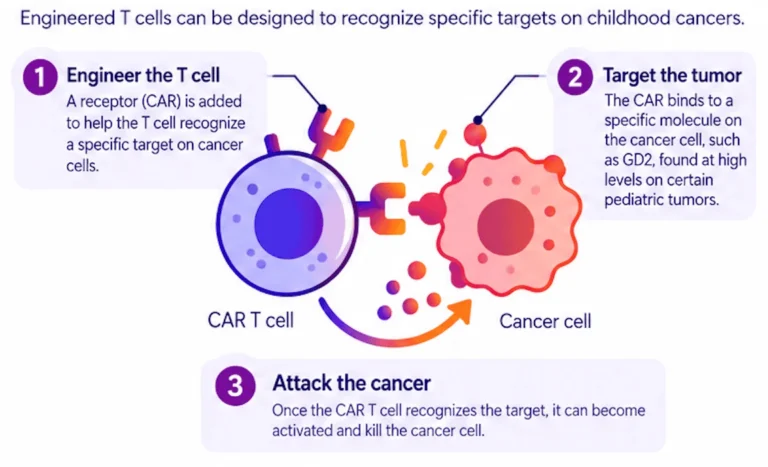
As the 2026 AACR meeting concluded, the message resonated clearly: we are standing on the shoulders of giants like Kenneth M. Murphy. The breakthroughs that have saved countless lives—checkpoint blockade, CAR-T cell therapy, and emerging mRNA vaccines—are not accidents. They are the cumulative fruit of decades of "following the biology."
Dr. Murphy’s career reminds us that the most profound advancements do not arrive with a fanfare of pre-planned roadmaps. They arrive when a scientist is brave enough to ask a fundamental question, patient enough to observe the subtle responses of the immune system, and wise enough to follow where the data leads, regardless of where the current trends are pointing.
As we look to the next decade of cancer immunology, the guiding principle remains unchanged. Whether through the lens of a microscope or the processing power of a neural network, the goal remains the same: to decode the immune system’s own language and, in doing so, provide it with the tools it needs to win the war against cancer. The future of medicine is not just about what we can invent; it is about how deeply we can understand the elegant, complex, and resilient systems already at work within the human body.