








For decades, the standard of care for a heart attack has been a race against time: restore blood flow to the obstructed artery, minimize the size of the infarct, and stabilize the patient. While these interventions save countless lives, they do not address the long-term aftermath—the permanent scarring and tissue degradation that often lead to chronic congestive heart failure.
Now, a pioneering team of bioengineers and physicians at the University of California San Diego is challenging this status quo. By developing an innovative, injectable biomaterial capable of traveling through the bloodstream to "heal from the inside out," researchers are opening a new frontier in regenerative medicine. This technology, which has shown remarkable success in preclinical animal models, represents a fundamental shift in how we treat not only heart damage but a host of inflammation-driven conditions throughout the body.
The Core Innovation: A Bloodstream-Based Delivery System
The research, led by Karen Christman, a professor of bioengineering at the UC San Diego Jacobs School of Engineering, centers on a refined, nano-sized version of an extracellular matrix (ECM) hydrogel. ECM is the natural scaffolding that supports living cells, providing the chemical and structural cues necessary for tissue health.
The team’s previous work—which successfully reached human clinical trials—involved injecting this gel directly into the heart muscle via a catheter. While effective, this "direct injection" approach has a significant clinical hurdle: it cannot be performed immediately after a heart attack, as the heart muscle is too fragile and the risk of further injury is too high.
To overcome this, the team engineered a version that can be administered intravenously or through an intracoronary infusion. This allows the material to reach the damaged tissue using the body’s own circulatory network. By navigating the bloodstream, the biomaterial can reach areas that are otherwise difficult to access, spreading more evenly across damaged zones and potentially preventing the formation of permanent, non-contractile scar tissue.
A Chronology of Discovery
The path to this breakthrough is rooted in years of systematic bioengineering research:
- 2019: The UC San Diego team reports successful Phase 1 clinical trial results for "VentriGel," a cardiac ECM hydrogel. The study confirms that direct intramyocardial injection is safe for patients with left ventricular dysfunction post-heart attack.
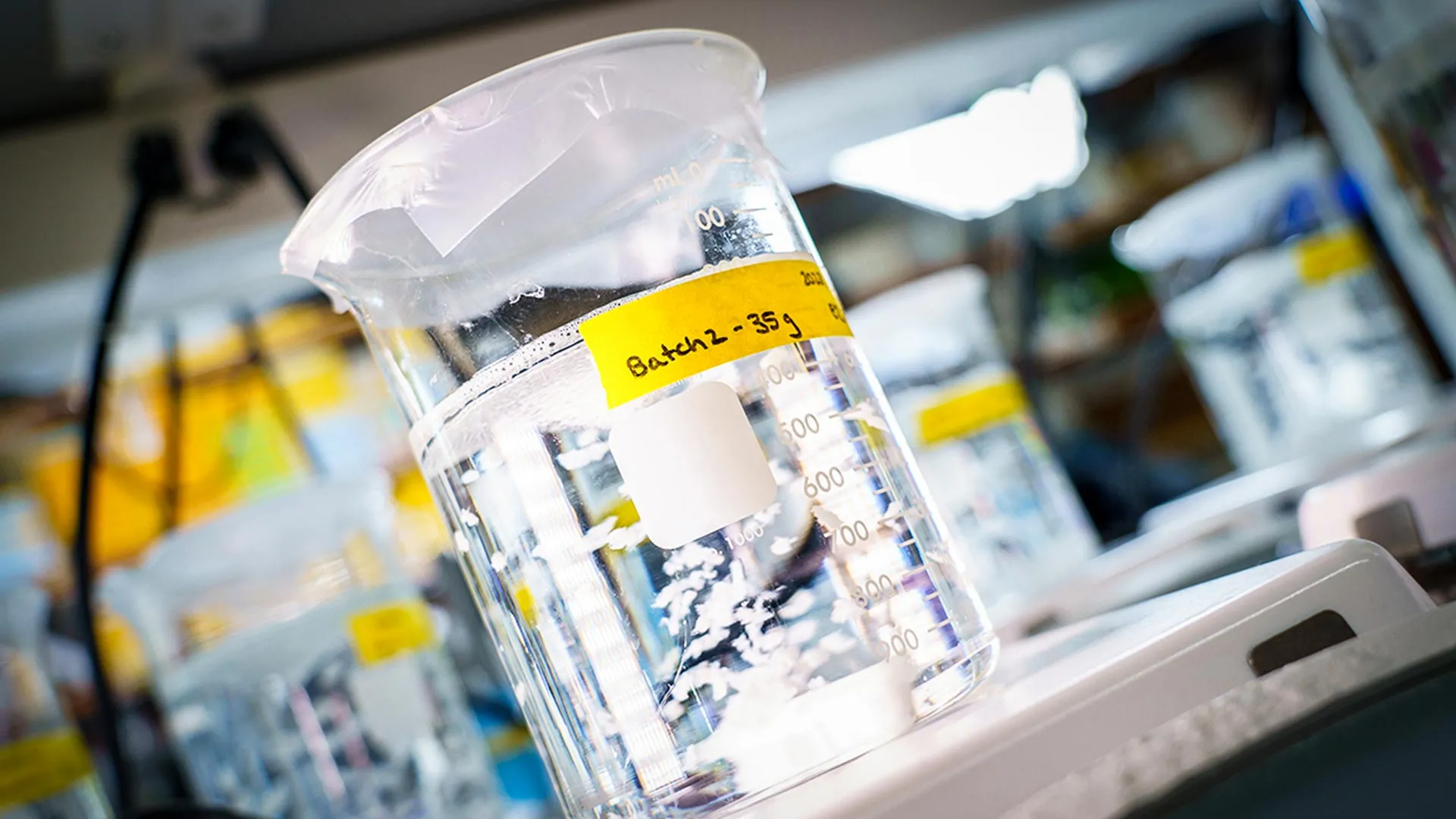
- 2022: The breakthrough study is published in Nature Biomedical Engineering. Lead author Martin Spang, under the guidance of Dr. Christman, details the development of the "intravascularly infused" biomaterial. The study proves that by centrifuging and fractionating the hydrogel into nano-sized particles, the material can successfully navigate the bloodstream and localize to injured tissues.
- 2025: A follow-up study published in Nature Communications utilizes cutting-edge spatial transcriptomics and single-nucleus RNA sequencing to map the molecular mechanisms of ECM therapies. This research reveals exactly how these materials trigger immune modulation, encourage new blood vessel formation, and stimulate myocardial salvage at the cellular level.
- Present Day: The technology is currently moving toward the rigorous regulatory hurdles required for human clinical trials, with stakeholders exploring its application for heart failure, traumatic brain injury, and pulmonary arterial hypertension.
Supporting Data: Mechanisms of Action
The efficacy of this biomaterial lies in its unique "homing" mechanism. After a myocardial infarction, the microvasculature of the heart becomes "leaky" as endothelial cells—which line the blood vessels—begin to pull apart.
When the researchers introduced the nano-sized biomaterial into the circulation, they observed an unexpected and beneficial reaction. Rather than simply passing through the leak, the material bonded to the endothelial cells. By essentially "patching" these gaps, the biomaterial promoted the healing of the vessel walls and significantly dampened the inflammatory response.
In both rodent and porcine (pig) models of heart attacks, the results were consistent:
- Reduced Left Ventricular Volumes: The heart maintained better geometry, preventing the "stretching" or thinning that occurs after a heart attack.
- Improved Wall Motion: The injured heart muscle regained better contractile function.
- Molecular Repair: Gene expression analysis showed an uptick in markers associated with tissue regeneration and a down-regulation of pro-inflammatory pathways.
These findings were further validated by the 2025 Nature Communications study, which confirmed that these biomaterials trigger a complex, multi-faceted repair process involving neurogenesis, smooth muscle cell proliferation, and lymphatic development.
Official Responses and Clinical Perspectives
The clinical implications of this technology are significant, particularly for cardiologists who manage patients with high-risk cardiovascular profiles.
"Coronary artery disease, acute myocardial infarction, and congestive heart failure continue to be the most burdensome public health problems affecting our society today," says Dr. Ryan R. Reeves, a physician in the UC San Diego Division of Cardiovascular Medicine. "As an interventional cardiologist, who treats patients with these conditions on a daily basis, I would love to have another therapy to improve patient outcomes and reduce debilitating symptoms."
Dr. Reeves notes that the simplicity of the delivery method is a potential game-changer. "One major reason we treat severe coronary artery disease and myocardial infarction is to prevent left ventricular dysfunction and progression to congestive heart failure. This easy-to-administer therapy has the potential to play a significant role in our treatment approach."
The lead researcher, Karen Christman, views this as a foundational step for regenerative engineering. "This biomaterial allows for treating damaged tissue from the inside out," she noted during the 2022 publication. Martin Spang, the study’s first author, emphasized the broader scope: "While the majority of work in this study involved the heart, the possibilities of treating other difficult-to-access organs and tissues can open up the field of biomaterials/tissue engineering into treating new diseases."
Implications for Future Medicine
The successful adaptation of this biomaterial for systemic delivery holds implications far beyond the heart.
Expanding the Therapeutic Horizon
The "vascular delivery" model essentially turns the circulatory system into a delivery highway. Because all organs are vascularized, this platform could theoretically be adapted to treat:
- Traumatic Brain Injury (TBI): Delivering repair materials across the blood-brain barrier is notoriously difficult; this research provides a new pathway to target inflamed neural tissue.
- Pulmonary Arterial Hypertension (PAH): The ability to target the vasculature of the lungs could help reverse the remodeling that makes PAH a fatal condition.
- Chronic Inflammation: By modulating the immune response at the site of vascular injury, the material could potentially be used to treat various systemic inflammatory diseases.
Commercialization and Clinical Translation
The transition from lab-bench success to bedside reality is currently being managed by Ventrix Bio, Inc., a startup co-founded by Christman. The company is currently advancing various iterations of cardiac extracellular matrix technology. Notably, a Phase 1 clinical trial is in the pipeline (sponsored by Emory University) to test intramyocardial injection in children with hypoplastic left heart syndrome—a rare and severe congenital heart defect.
While the "intravascular" version of the therapy is still experimental, the roadmap for human testing is clear. The team is preparing to seek FDA authorization to conduct trials, which will focus on three key metrics: safety, ease of clinical delivery (using existing catheterization or IV procedures), and long-term functional improvement in patient heart health.
Conclusion: A New Era of Regenerative Care
For millions of Americans suffering from heart disease, the current focus of medicine is largely preventative or maintenance-oriented. The prospect of a "regenerative infusion"—a material that can be administered during a standard stent procedure to actively heal damaged tissue—represents a paradigm shift.
By leveraging the body’s natural extracellular matrix and the ubiquity of the vascular system, Dr. Christman’s team has bridged the gap between passive treatment and active repair. While further clinical trials are necessary to confirm that these results translate into human longevity and quality of life, the evidence suggests that the future of cardiology may well be found in the nano-scale particles circulating within our own blood. If successful, this technology will not only reduce the burden of congestive heart failure but will redefine the limits of what is possible in modern regenerative medicine.