











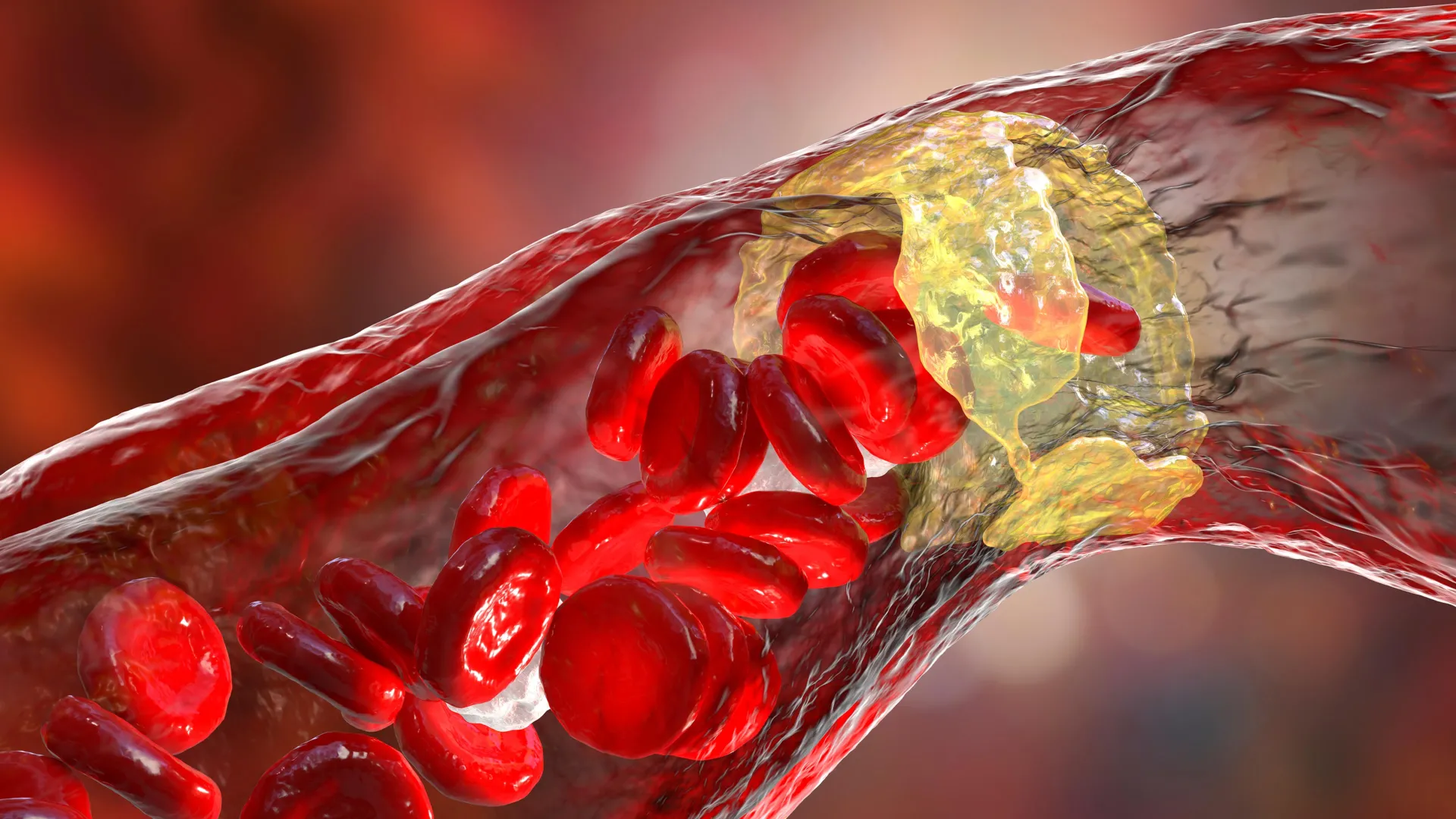
In a major shift for cardiovascular medicine, researchers from Mass General Brigham have unveiled clinical trial findings that could rewrite the playbook for heart disease prevention. A new subgroup analysis of the VESALIUS-CV trial, presented at the American College of Cardiology’s Annual Scientific Session & Expo and simultaneously published in JAMA, indicates that the drug evolocumab can significantly reduce the risk of first-time major cardiovascular events in high-risk patients with diabetes who have not yet developed clinical atherosclerosis.
The findings challenge the long-standing clinical paradigm that restricts intensive lipid-lowering therapies primarily to patients who have already suffered a cardiac event or have established, advanced heart disease. By demonstrating a 31% relative risk reduction in cardiovascular events, the study opens a new frontier in "proactive" rather than "reactive" cardiology.
The Paradigm Shift: Why Timing Matters in Cardiovascular Health
For more than a decade, the medical community has operated under a strict triage system for cholesterol management. Intensive cholesterol-lowering therapies—such as PCSK9 inhibitors—have been largely reserved for secondary prevention: treating patients who have already experienced a heart attack, stroke, or unstable angina.
However, Dr. Nicholas A. Marston, corresponding author of the study and a cardiologist with the Mass General Brigham Heart and Vascular Institute, argues that this wait-and-see approach may be a missed opportunity. "These results demonstrate the benefit of intensive cholesterol lowering earlier and should change how we think about the prevention of heart attacks, strokes, and heart disease in patients without known significant atherosclerosis," Dr. Marston stated.
Heart disease remains the leading cause of mortality globally, with elevated low-density lipoprotein cholesterol (LDL-C)—often termed "bad cholesterol"—acting as a primary driver of arterial plaque formation. While statins remain the gold standard for initial treatment, many high-risk patients, particularly those with diabetes, continue to face elevated risks even when standard therapies are utilized.
Chronology of the VESALIUS-CV Research
The path to these findings was paved by the broader VESALIUS-CV trial, a multi-year, randomized, double-blind investigation.
The Selection Process
The research team identified a specific cohort of 3,655 patients. These individuals were classified as "high-risk" due to their diabetes status, but they were unique in that they lacked the diagnostic markers of significant atherosclerosis. To be included in the "high-risk diabetes" category, patients had to meet one or more of the following criteria:
- A diabetes diagnosis spanning at least 10 years.
- A requirement for daily insulin therapy.
- Documented microvascular damage (diabetes-related damage to small blood vessels).
Intervention and Follow-up
Beginning at the start of the study, participants were randomized to receive either subcutaneous injections of evolocumab—a PCSK9 inhibitor—every two weeks or a placebo. Crucially, this was an "add-on" study; all participants continued to receive standard-of-care treatments, which included statins and ezetimibe, to ensure that the study measured the incremental benefit of the new drug over existing therapy.
The study monitored these patients over a follow-up period of nearly five years, tracking primary endpoints including death from coronary heart disease, non-fatal heart attacks, and ischemic strokes.
Supporting Data: Efficacy and Safety Metrics
The quantitative results of the study provided a compelling argument for the efficacy of PCSK9 inhibition in this demographic.
The LDL-C Gap
After 48 weeks of treatment, the disparity between the two groups was stark. Patients receiving evolocumab saw their median LDL-C levels plummet by approximately 51%. Specifically, the evolocumab group achieved a median LDL-C level of 52 mg/dL, compared to 111 mg/dL in the placebo group. This drastic reduction highlights the potency of PCSK9 inhibitors, which can lower LDL-C by up to 60% by preventing the degradation of LDL receptors in the liver, thereby allowing the body to clear "bad cholesterol" more efficiently from the bloodstream.
Risk Reduction Outcomes
The primary clinical endpoint—a reduction in major adverse cardiovascular events (MACE)—was achieved with statistical significance. Over the five-year span:
- The Evolocumab Group: 5% of patients experienced a major cardiovascular event.
- The Placebo Group: 7.1% of patients experienced a major cardiovascular event.
This represents a 31% lower risk of a first heart attack, stroke, or death from coronary heart disease for those on the treatment regimen.
Safety Profile
One of the primary concerns with introducing aggressive, long-term pharmacological interventions is the risk of adverse side effects. However, the study reported that serious side effects occurred at similar rates in both the treatment and control groups. The drug was found to be generally well-tolerated, suggesting that for high-risk diabetic patients, the benefits of significant cholesterol reduction far outweigh the risks of the treatment itself.
Official Responses and Clinical Implications
The implications of this study reach far beyond the specific data points. The cardiology community is currently debating how to integrate these findings into clinical practice guidelines.
Dr. Marston and his colleagues emphasize that while these results are promising, they represent a specific high-risk subgroup. The next phase of research will need to determine if these benefits can be extrapolated to other high-risk populations—such as those with chronic kidney disease or those with high-risk genetic profiles—who have not yet manifested clinical atherosclerosis.
"We are moving toward an era of precision prevention," notes a clinical observer familiar with the study. "If we can identify the physiological markers of high risk in diabetic patients before they reach the stage of irreversible arterial damage, we have the potential to prevent the most devastating outcomes of heart disease before they ever begin."
Institutional Transparency: Authors, Funding, and Disclosures
The integrity of the study is supported by a robust list of contributors from the Mass General Brigham network and an international coalition of researchers. The primary contributors included Erin A. Bohula, Jeong-Gun Park, Sabina A. Murphy, Ron Blankstein, Robert P. Giugliano, and Marc S. Sabatine, among others.
Financial Disclosures
The study was funded by Amgen Inc., the manufacturer of evolocumab. Given the nature of pharmaceutical-sponsored research, the authors provided extensive disclosures:
- The TIMI Study Group: Several researchers, including Marston, Bohula, and Giugliano, are members of the TIMI Study Group, which receives grant support through Brigham and Women’s Hospital from Amgen and various other pharmaceutical entities.
- Personal Fees: Many of the lead researchers, including Marston, Bohula, and Sabatine, reported receiving personal fees or honoraria for lectures, consulting, or medical education programs from Amgen.
- Corporate Employees: Several authors, including Ajay K. Bhatia, Emileigh Walsh, Lyrica Liu, Marcoli Cyrille, and Gabriel Paiva da Silva Lima, are current employees and stockholders of Amgen, a factor clearly outlined in the published research to maintain transparency regarding potential conflicts of interest.
Despite these industry ties, the study’s publication in JAMA ensures that the methodology and results have undergone rigorous peer review, reinforcing the clinical validity of the data presented.
Future Directions: The Path Forward
The VESALIUS-CV subgroup analysis serves as a cornerstone for future cardiovascular research. As the medical community digests these results, the focus will likely turn to "cost-benefit" analyses and the development of more granular risk-assessment tools. If the 31% risk reduction is replicated in broader trials, it could lead to updated insurance coverage and treatment guidelines, allowing physicians to prescribe PCSK9 inhibitors earlier to patients whose diabetes places them at a high latent risk for cardiac events.
As researchers look ahead, the goal remains clear: to transition from treating cardiovascular disease to preventing its inception entirely. With this study, the medical field has taken a significant step toward that goal, proving that for high-risk diabetic patients, the best way to handle a heart attack is to ensure it never happens in the first place.