











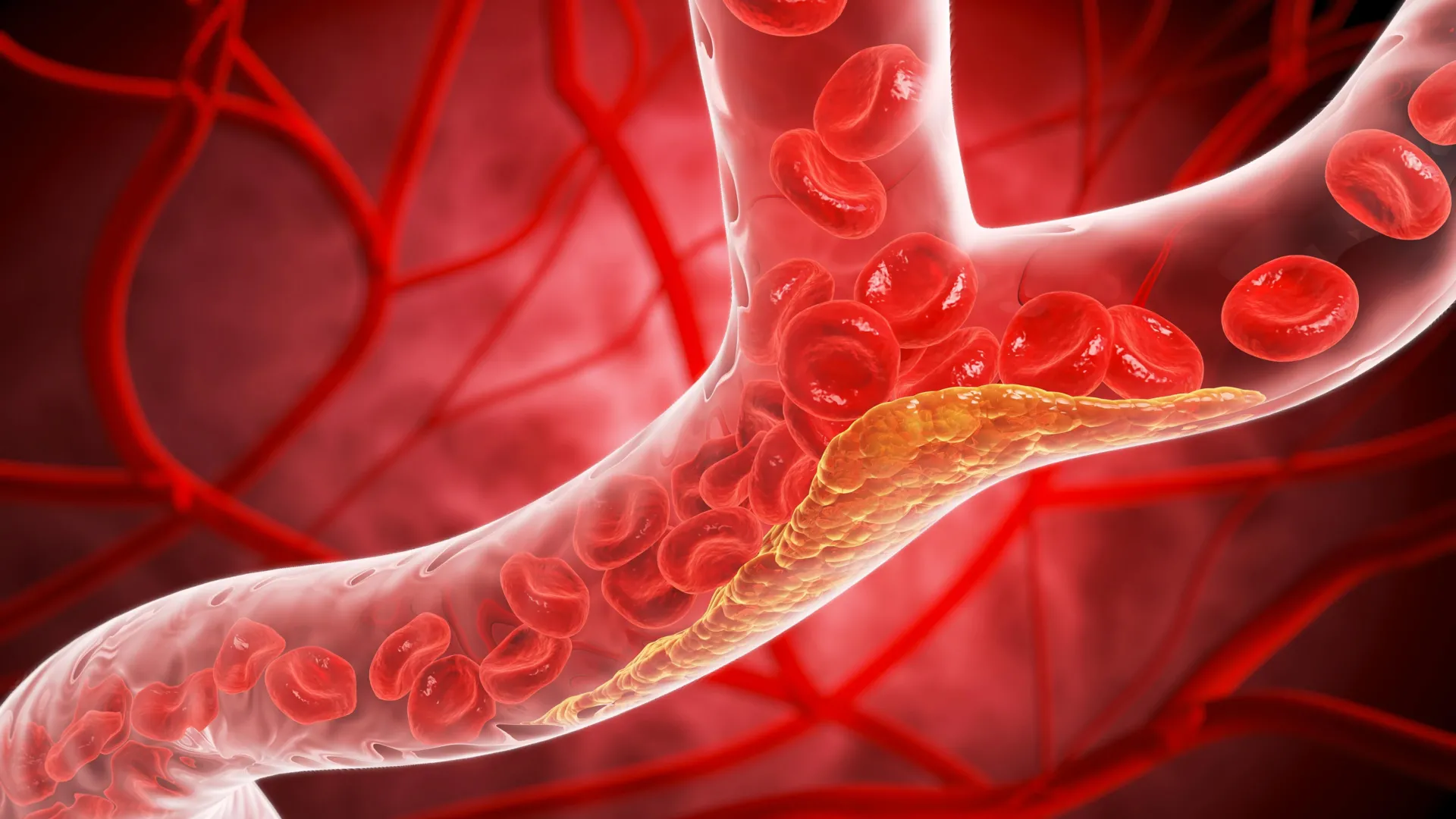
In a development that could rewrite the playbook for cardiovascular health, researchers have unveiled results from a landmark phase three clinical trial for a new oral medication called enlicitide. Published in The New England Journal of Medicine, the study demonstrates that the experimental pill can reduce low-density lipoprotein (LDL) cholesterol—the "bad" cholesterol responsible for arterial plaque—by as much as 60%.
For the millions of Americans struggling to manage their heart health despite current therapeutic options, enlicitide represents a potential paradigm shift. By combining the potency previously reserved for injectable treatments with the convenience of a daily pill, this drug may bridge the gap between clinical guidelines and real-world patient outcomes.
The Core Clinical Findings: A New Frontier in Lipid Reduction
The phase three trial, which enrolled 2,909 participants, was designed to test the efficacy of enlicitide in patients with established atherosclerotic cardiovascular disease or those at high risk for the condition. The results were striking: after 24 weeks of daily administration, patients taking enlicitide saw their LDL cholesterol levels plummet by 60% compared to those in the placebo group.
Perhaps most significantly, these results were achieved in a "real-world" cohort. The vast majority of participants were already adhering to statin therapy, yet their baseline LDL levels remained stubbornly high—averaging 96 mg/dl. Medical guidelines typically recommend targets of 70 mg/dl for patients with atherosclerosis and 55 mg/dl for those at the highest risk. Enlicitide effectively brought these patients into compliance with clinical targets, maintaining these reductions throughout a full 52-week follow-up period.
Furthermore, the drug demonstrated efficacy beyond simple LDL reduction. Secondary markers of cardiovascular risk, including apolipoprotein B, non-HDL cholesterol, and lipoprotein(a), were also significantly lowered.
A Scientific Lineage: From Nobel Prizes to Modern Innovation
The success of enlicitide is not an isolated event; it is the culmination of decades of rigorous scientific inquiry, much of which originated at the UT Southwestern Medical Center (UTSW). To understand the significance of this new pill, one must look back at the historical arc of cholesterol research.
The Foundation: The Brown and Goldstein Era
In the 1970s and 80s, UTSW researchers Michael Brown, M.D., and Joseph Goldstein, M.D., fundamentally altered the medical community’s understanding of cardiovascular disease. Their identification of the LDL receptor on liver cells—the mechanism by which the body clears cholesterol from the bloodstream—earned them the Nobel Prize in Physiology or Medicine in 1985. This discovery laid the foundation for statins, which remain the first line of defense against heart disease today.
The Genetic Insight: The Dallas Heart Study
Years later, the focus shifted to the role of proteins in regulating these receptors. Through the groundbreaking Dallas Heart Study, led by Helen Hobbs, M.D., and Jonathan Cohen, Ph.D., researchers discovered that certain individuals possessed natural genetic variations that inhibited the production of the PCSK9 protein.
The researchers found that the PCSK9 protein acts as a "brake" on the body’s ability to clear LDL cholesterol; it binds to LDL receptors and triggers their degradation. By having lower levels of this protein, these individuals naturally maintained exceptionally low cholesterol levels and, consequently, a reduced risk of heart disease. This discovery directly inspired the development of PCSK9 inhibitors—the first wave of highly effective, injectable treatments that lowered LDL by roughly 60%.
The "Injection Barrier" and the Quest for Oral Alternatives
While injectable PCSK9 inhibitors like evolocumab and alirocumab are remarkably effective, their real-world impact has been hampered by practical challenges. Despite being available for years, they remain underutilized in general clinical practice.
"Fewer than half of patients with established atherosclerotic cardiovascular disease currently reach their LDL cholesterol goals," explains Ann Marie Navar, M.D., Ph.D., a cardiologist and Associate Professor of Internal Medicine and in the Peter O’Donnell Jr. School of Public Health at UT Southwestern, who led the phase three trial.
Dr. Navar points to several systemic barriers that have limited the adoption of injectable therapies. Historically, high costs and complex insurance authorization processes deterred many clinicians. Even as these barriers have begun to recede, a significant psychological and logistical hurdle remains: the injection itself. For many patients, the prospect of self-administering an injection—or the discomfort of regular clinical visits—leads to lower compliance compared to simple, once-a-day oral medications.
Enlicitide is designed to bypass these barriers entirely. By targeting the same PCSK9 pathway as the injectables but doing so in an oral format, it offers the efficacy of a biological agent with the ease of a common pill.
Official Responses and Clinical Implications
The medical community has received the trial results with cautious optimism. Dr. Navar, who led the study under the sponsorship of Merck & Co. Inc., emphasized that the study population was representative of the average patient seen in a cardiology clinic.
"The study population reflects what we see in clinical practice," Dr. Navar stated. "Even the highest intensity statins are often not enough to get people to their cholesterol goals. An oral therapy this effective has the potential to dramatically improve our ability to prevent heart attacks and strokes on a population level."
Other experts in the field have noted that the 60% reduction is the most substantial drop ever achieved by an oral medication since the introduction of statins. If the FDA grants approval, enlicitide could potentially move from a "niche" secondary therapy to a foundational drug for patients who cannot achieve cholesterol goals through statins alone.
The Road Ahead: Future Trials and Long-Term Outcomes
While the reduction in LDL cholesterol is a proven indicator of cardiovascular health, the ultimate test for any new medication is its impact on clinical "hard endpoints"—specifically, the reduction of heart attacks, strokes, and cardiovascular-related mortality.
Acknowledging this, the research team has already initiated follow-up clinical trials to observe whether the massive drop in LDL cholesterol translates into a definitive reduction in major adverse cardiovascular events (MACE). These studies will be critical for convincing both regulators and insurance providers of the drug’s long-term value.
Disclosures and Funding
The study was funded by Merck Sharp & Dohme, a subsidiary of Merck. Dr. Navar has disclosed receiving consulting fees from Merck for her work on the study, as well as compensation for consulting work from other pharmaceutical companies that manufacture lipid-lowering medications.
As the medical community awaits further data, the emergence of enlicitide stands as a testament to the power of basic science. By taking the lessons learned from the Nobel Prize-winning work of the 1980s and the genetic insights of the 2000s, researchers have moved closer to a future where cardiovascular disease is not merely managed, but effectively prevented for the millions at risk.
Summary of Key Data Points
- Trial Size: 2,909 participants.
- Primary Metric: Reduction of LDL cholesterol levels after 24 weeks.
- Result: 60% reduction in LDL compared to placebo.
- Secondary Benefits: Significant reductions in non-HDL cholesterol, apolipoprotein B, and lipoprotein(a).
- Target Population: Patients with atherosclerotic cardiovascular disease or those at high risk who are not meeting targets on existing medications.
- The "Enlicitide Advantage": First-of-its-kind oral PCSK9 inhibitor, eliminating the need for injections.
If the trajectory of the current trial holds, enlicitide could represent the next great pillar in preventive cardiology, offering a simpler, more accessible path to heart health for a global population.