







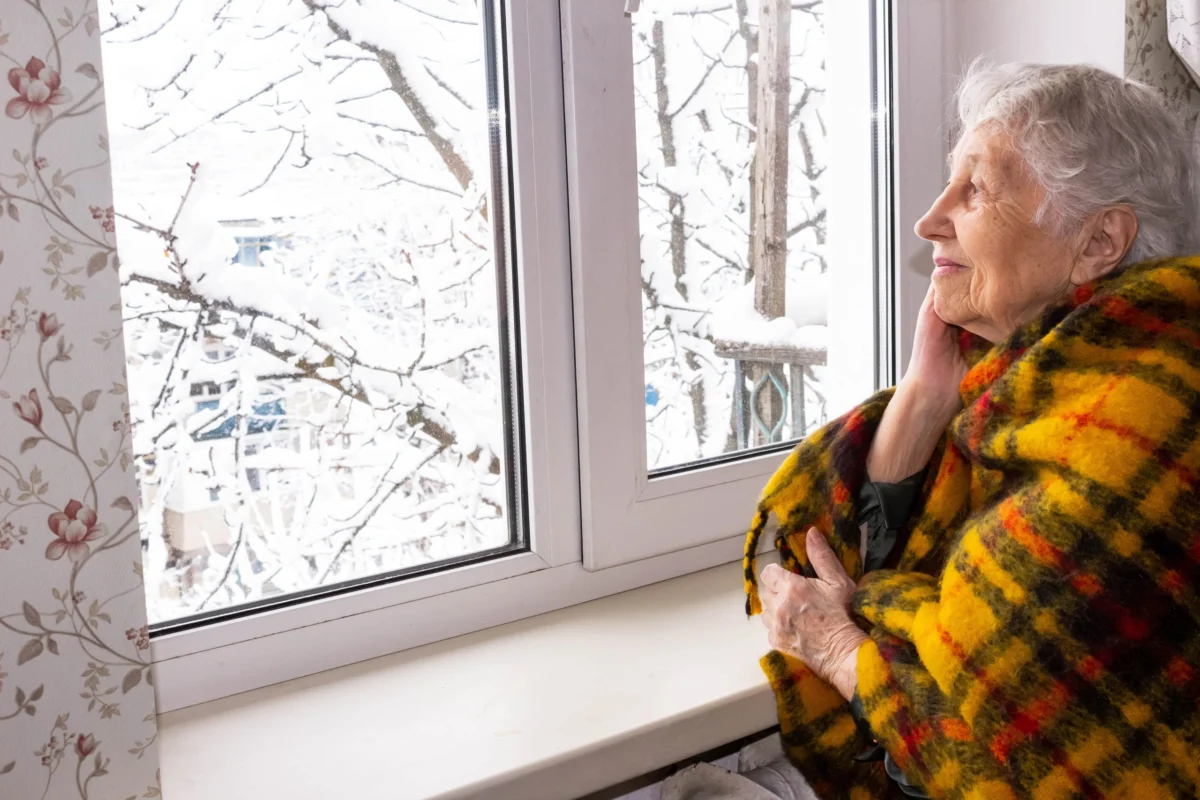
As a massive winter storm system bears down on the United States, an estimated 200 million people across 35 states are bracing for what promises to be a challenging weekend of sub-zero temperatures, heavy snowfall, and treacherous ice. While the arrival of winter often evokes nostalgic memories of sledding hills and neighborhood snowball fights, public health experts are issuing a stark reminder: for older adults, the priority must shift from recreation to rigorous, practical preparation.
As we age, our bodies undergo physiological changes that alter how we perceive and respond to extreme cold. From reduced circulation to altered metabolic rates, the risks associated with winter weather are significantly amplified for seniors. To ensure safety and well-being during this atmospheric event, it is essential to move beyond the traditional "snow day" mindset and adopt a strategic approach to winter survival.
The Reality of the Threat: Why Preparation Matters
The current weather event is not merely an inconvenience; it is a significant public health concern. Meteorologists have warned of a widespread system that threatens to cripple infrastructure and restrict mobility for millions. For the aging population, these conditions present a dual threat: the direct physical danger of cold exposure and the indirect risks associated with isolation, power outages, and medical emergencies.
Physiological Vulnerabilities in Later Life
As the body ages, its ability to regulate temperature becomes less efficient. Older adults often lose body heat more rapidly than younger people, making them more susceptible to hypothermia and frostbite. Furthermore, chronic health conditions—such as cardiovascular disease, arthritis, and respiratory issues—can be exacerbated by the sudden physiological stress of navigating icy terrain or inhaling frigid air.
Chronology of Preparation: A Strategic Timeline
Effective winter safety is not a last-minute endeavor. It requires a structured, proactive approach that begins days before the first snowflake hits the ground.
Phase 1: Pre-Event Inventory (72 Hours Out)
Before the storm hits, conduct a thorough home assessment. This involves more than just checking the pantry; it requires a comprehensive review of your environment.
- Medical Readiness: Ensure all prescription medications are refilled. If a pharmacy run is required, do it well before the roads become hazardous.
- Nutritional Planning: Stock up on non-perishable food items that require minimal preparation. Think of high-protein snacks, canned goods, and bottled water.
- Infrastructure Check: Verify that your heating system is functional. Ensure that backup heat sources—if available—are safe and accessible.
- Communication: Charge all mobile devices and have a secondary, analog method of communication (like a landline or a battery-powered radio) ready in case of a power grid failure.
Phase 2: The "Hunker Down" Phase (The Arrival)
Once the weather turns, the goal is to minimize, or entirely eliminate, the need to venture outside. Staying indoors is the most effective way to avoid slips, falls, and cold-related injuries. This is the time to lean into the comforts of home: utilize the time for reading, light indoor exercise, or connecting with family via phone or video calls to mitigate the effects of social isolation.
Supporting Data: The Risks of Winter Exposure
Public health data consistently shows that winter weather events correlate with a spike in hospital admissions among the elderly.
The Cardiac Connection
One of the most dangerous, yet overlooked, hazards of winter is the act of snow shoveling. Research indicates that the combination of cold air and physical exertion causes blood vessels to constrict, which increases blood pressure and heart rate simultaneously. For an older adult, this creates a "perfect storm" for cardiovascular distress. The repetitive motion of lifting and twisting, often done in cold air, places an immense burden on the heart muscle that is often underestimated.
Fall Risks and Mobility
According to the CDC, falls are the leading cause of injury among older Americans. Snow and ice exacerbate this risk exponentially. Even a short walk to retrieve the mail can result in a catastrophic hip fracture or traumatic brain injury. The message from health professionals is clear: if you can avoid walking on snow and ice, do so.
Official Recommendations: Expert Guidelines for Safety
Experts from organizations like the Alliance for Aging Research emphasize that safety is a choice—a series of informed decisions made before and during the event.
1. Dressing for Thermal Regulation
If you absolutely must go outside, your clothing choice is your first line of defense.
- Layering: Wear multiple thin layers of clothing. The air trapped between layers provides better insulation than a single thick coat.
- Extremities: Always cover your head, ears, and hands. A significant amount of body heat is lost through the scalp.
- Footwear: Use shoes or boots with high-traction, rubberized soles. If possible, utilize ice cleats or crampons for added stability on walkways.
2. Smart Shoveling: A Medical Approach
If you cannot hire help or use a snow blower, and you insist on shoveling, treat it as a high-intensity workout.
- Consult Your Physician: If you have a history of heart issues, back problems, or hypertension, talk to your doctor about whether shoveling is appropriate for you.
- Hydrate: Dehydration is a common winter issue. Drink water before and after clearing the driveway.
- Warm Up: Stretch your muscles for 5–10 minutes before heading out. Cold muscles are prone to tears and strains.
3. Proper Technique
When you do move snow:
- Push, Don’t Lift: Use the shovel to push the snow to the side whenever possible.
- Bend at the Knees: If you must lift, use your legs, not your back. Keep the shovel close to your body to reduce the load on your spine.
- Pace Yourself: Take frequent breaks. If you feel any shortness of breath, chest pain, or lightheadedness, stop immediately and return indoors.
Implications: Building a Resilient Community
The implications of this winter event extend beyond the individual. It is a moment for community vigilance.
The Role of Neighbors and Family
If you have older neighbors, check on them. A simple phone call or a knock on the door can make a life-saving difference. Ask if they need supplies or assistance with clearing their walk. Often, the barrier to safety for an older adult is not a lack of intent, but a lack of resources or physical capability.
Looking Ahead: Changing the Narrative
As climate patterns become more volatile, winter events may become more unpredictable. The goal is to shift the cultural narrative: we must stop viewing winter preparations as "excessive" and start viewing them as essential preventative health measures.
"Winter weather doesn’t have to mean winter injuries," says Katie Riley, Vice President of Communications at the Alliance for Aging Research. By prioritizing preparation, maintaining awareness of our physical limitations, and choosing the safer option whenever a doubt arises, we can navigate the cold with our health and dignity intact.
In the coming days, as the snow falls, let us prioritize the wisdom of caution. Your health is not just worth the effort—it is the foundation upon which all your future winters will be enjoyed.