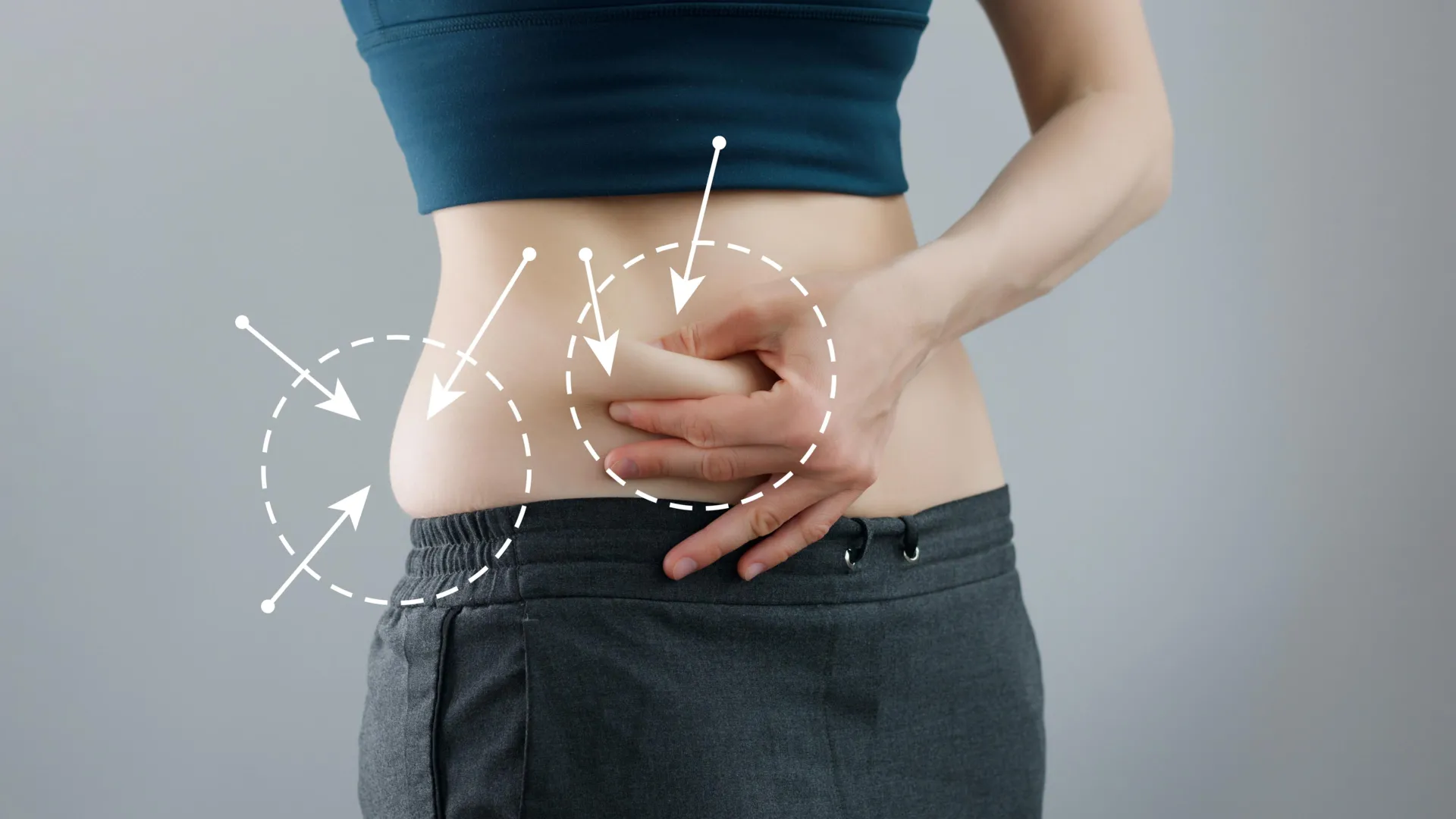
For decades, the public health narrative surrounding fat has been singular and unforgiving: fat is the enemy. From dietary guidelines to fitness culture, adipose tissue has been categorized almost exclusively as an aesthetic concern or a harbinger of chronic illness. However, a groundbreaking study led by researchers at the University of Michigan has fundamentally shifted this paradigm, unveiling adipose tissue as an active, vital organ—a metabolic engine essential for human survival.
The findings, recently published, illuminate a paradox that has long baffled the medical community: while an excess of fat is a well-documented driver of diabetes and heart disease, the total loss or dysfunction of fat tissue is equally, if not more, catastrophic.
The Metabolic Paradox: Why We Need Fat
The traditional view of fat tissue—known scientifically as adipose tissue—is that of a passive storage vessel. Science now understands that it is an endocrine organ, secreting hormones and signaling molecules that regulate everything from appetite to insulin sensitivity.
"Fat tissue is often viewed as something the body would be better off without," says Dr. Elif Oral, a clinician and Professor in the Division of Metabolism, Endocrinology and Diabetes. "But in reality, it is an essential organ. It supports energy storage, hormone production, and systemic metabolic regulation."
The danger lies in the dysfunction of this organ. In conditions like familial partial lipodystrophy type 2 (FPLD2), patients suffer from abnormal fat loss and uneven distribution. Despite having significantly lower body fat than the average person, these patients frequently develop severe diabetes and metabolic syndrome. This condition serves as a natural experiment, proving that the metabolic damage typically associated with obesity is, in fact, a consequence of "unhealthy" fat—not necessarily just the presence of fat itself.
A Chronology of Discovery: From Clinical Observation to Genomic Insight
The path to this discovery began in the clinic, where Dr. Oral spent years observing the debilitating effects of lipodystrophy on her patients. Recognizing that clinical observation alone could not explain the cellular mechanisms of the disease, she sought out the expertise of Dr. Ormond MacDougald, a Professor of Molecular & Integrative Physiology.
The Research Timeline
- Clinical Identification: For years, the team monitored patients with FPLD2, documenting the systemic failure that occurs when fat tissue loses its integrity.
- Hypothesis Formation: The researchers hypothesized that the root cause of the metabolic collapse was not just the absence of fat, but a catastrophic failure within the adipocytes (fat cells) themselves.
- The Mouse Model: To test this, the team developed a sophisticated mouse model, utilizing genetic engineering to "switch off" the lamin A/C gene specifically within fat cells—the exact genetic mutation responsible for FPLD2 in humans.
- Molecular Analysis: By comparing the diseased mouse tissue with donated samples from human patients, the team identified a series of cascading failures at the cellular level.
"A simple explanation is that all of the fat cells have really catastrophic things happening in them," notes Jessica Maung, Ph.D., the lead graduate student researcher on the project.
Dissecting the Failure: Why Fat Cells Stop Working
The researchers’ investigation revealed a "perfect storm" of cellular dysfunction. When the lamin A/C gene is compromised, the fat cells undergo a series of transformations that render them ineffective and eventually cause them to disappear entirely.
Key Cellular Breakdown Points:
- Lipid Processing Failure: The genetic changes prevented fat cells from properly taking up and storing lipids. When adipocytes cannot store energy, those lipids circulate in the blood and deposit in organs like the liver and muscles, leading to lipotoxicity.
- Pro-inflammatory Shift: The adipocytes, along with the immune cells residing within the fat tissue, shifted into a chronic pro-inflammatory state. This internal inflammation is a major contributor to insulin resistance.
- Mitochondrial Collapse: Perhaps most significantly, the mitochondria—the "power plants" of the cell—ceased functioning. Without healthy mitochondria, adipocytes cannot generate the energy required for their survival or their endocrine functions.
"All of these effects come together to create this environment for the tissue to be really unhealthy and eventually disappear," Maung explained. As these cells perish, the body loses its ability to manage lipids and release essential metabolic hormones, setting the stage for the rapid onset of diabetes and fatty liver disease.
The "Fat-Centric" View of Diabetes
Perhaps the most significant takeaway from the study is the re-evaluation of Type 2 diabetes. While modern medicine often views diabetes as a failure of the pancreatic beta cells—the cells responsible for producing insulin—the research suggests that the root of the problem may lie in the fat tissue.
"People think of Type 2 diabetes as a disease of beta cells, but it’s actually a disease of fat cells, too," Dr. Oral stated.
When fat cells fail, they no longer act as a buffer for the body’s energy supply. This puts an unbearable strain on the pancreas. If the fat tissue is not functioning correctly, the body’s blood sugar control mechanisms collapse, regardless of how well the pancreas is performing. This discovery implies that future treatments for metabolic disease must move beyond simply managing blood sugar and instead focus on protecting and restoring the health of the adipose organ.
Implications for Future Therapeutics
The identification of the lamin A/C pathway as a critical driver of fat cell death opens new doors for therapeutic intervention.
Potential Targets:
- Prophylactic Protection: By targeting the molecular pathways that lead to mitochondrial dysfunction, researchers hope to prevent adipose tissue deterioration before it becomes irreversible.
- Adipose Regeneration: Future studies may explore how to stabilize the gene activity in adipocytes, potentially slowing the progression of lipodystrophy syndromes.
- Metabolic Reset: Understanding how to keep fat cells in a "healthy" state could provide new strategies for treating common Type 2 diabetes, shifting the focus from insulin administration to metabolic optimization.
A Model for Collaborative Science
The success of this study was not merely due to technological advancement but also to a unique, highly integrated collaboration. The project bridged the gap between basic science and clinical application, involving a large, multidisciplinary team of international researchers.
Dr. MacDougald emphasized the importance of this ecosystem: "I think this work is an outstanding example of a collaboration between a translational clinical researcher and a basic science physiologist. We also can’t overstate the importance of the patient population and their involvement in developing therapies and their dedication to understanding their disease."
The study included contributions from a vast array of experts, ranging from specialists in molecular biology to clinical investigators. This collective effort highlights a growing trend in medical research: the necessity of the "bench-to-bedside" approach. By keeping the patient experience at the center of the research, the team ensured that their findings remained grounded in the realities of human disease.
Conclusion: The Future of Fat
The research conducted by Dr. Oral, Dr. MacDougald, and their team serves as a clarifier in a field often clouded by stigma. By reframing adipose tissue as a vital, high-functioning organ that requires maintenance rather than just elimination, the medical community is now better equipped to address the complex metabolic diseases that continue to plague modern society.
While much work remains to be done—specifically in translating these findings into clinical therapies—the message is clear: the path to metabolic health is not found in the total erasure of fat, but in the preservation of its function. As we look toward the future, the integration of genetic, molecular, and clinical data will continue to be our most powerful tool in the fight against metabolic dysfunction, proving that even the most misunderstood tissues in our body are essential to the delicate balance of human life.