










By Cole Stephany
May 23, 2026
With their sleek frames, silent motors, and promise of effortless urban mobility, electric scooters have become a ubiquitous feature of the modern cityscape. For the average commuter, they represent a convenient, eco-friendly solution to the "last mile" problem of public transportation. However, viewed through the lens of a trauma center resuscitation bay, these machines appear less like toys and more like instruments of significant, avoidable morbidity.
As a medical student currently rotating through a high-volume trauma service, I expected to contend with the aftermath of high-speed motor vehicle collisions and motorcycle accidents. Instead, I have been confronted with a relentless, surging tide of patients presenting with catastrophic injuries sustained from electric scooters. The reality of these incidents—frequently characterized by high-impact, unprotected contact with asphalt—is stark, often life-altering, and fundamentally ignored by current public policy.
The Human Cost of Urban Convenience
The clinical reality of e-scooter injuries is far more visceral than statistics suggest. I recall one particular case: a 26-year-old male, a young professional on his morning commute. A routine maneuver, a common urban hazard—a pothole—and suddenly he was propelled over the handlebars. He arrived at our center with a deep, jagged abrasion across the left side of his face, an open clavicle fracture, and a severely dislocated shoulder.
The prognosis for such a patient is grim. His facial injury will likely result in a permanent, disfiguring scar, the kind of mark that serves as a lifelong reminder of a three-minute commute gone wrong. His shoulder, now prone to chronic instability, may never regain the range of motion required for his favorite pastime, golf.
These are not isolated incidents. Open fractures, maxillofacial trauma, and traumatic brain injuries (TBIs) have become routine entries in the trauma registry. We are seeing a demographic—with a median age of just 30—facing the prospect of permanent physical impairment, cognitive shifts, and the long-term loss of quality-adjusted life years (QALYs).
A Chronology of Escalating Risk
The integration of e-scooters into the urban fabric has been meteoric, yet the regulatory framework governing them has remained largely stagnant.
- 2017–2018: The "Scooter Boom" begins. Major ride-share companies flood urban centers with dockless e-scooters. Initial public perception is that they are harmless toys.
- 2020: Data from the National Electronic Injury Surveillance System (NEISS) records approximately 29,344 e-scooter-related injuries. Even at this early stage, trauma surgeons begin raising alarms about the unique kinetics of these injuries.
- 2022–2023: As ridership expands to smaller municipalities, the lack of standardized safety equipment becomes a glaring issue. Reports from hospitals nationwide indicate a consistent pattern: the vast majority of patients admitted for surgery were not wearing helmets.
- 2024: The injury toll hits a staggering 115,713 cases annually—a nearly four-fold increase in just four years. The narrative that these devices are safe "toys" is systematically dismantled by empirical data.
- 2025–2026: Municipalities begin experimenting with stricter permit requirements. Early data suggests that when local governments prioritize safety over convenience, the burden on trauma centers begins to decline.
The Data: A Four-Fold Surge in Trauma
The quantitative data supporting the need for intervention is overwhelming. According to reports analyzing the NEISS database, the rise in injuries is not merely a byproduct of increased usage, but a reflection of inherent design risks and a lack of user education.
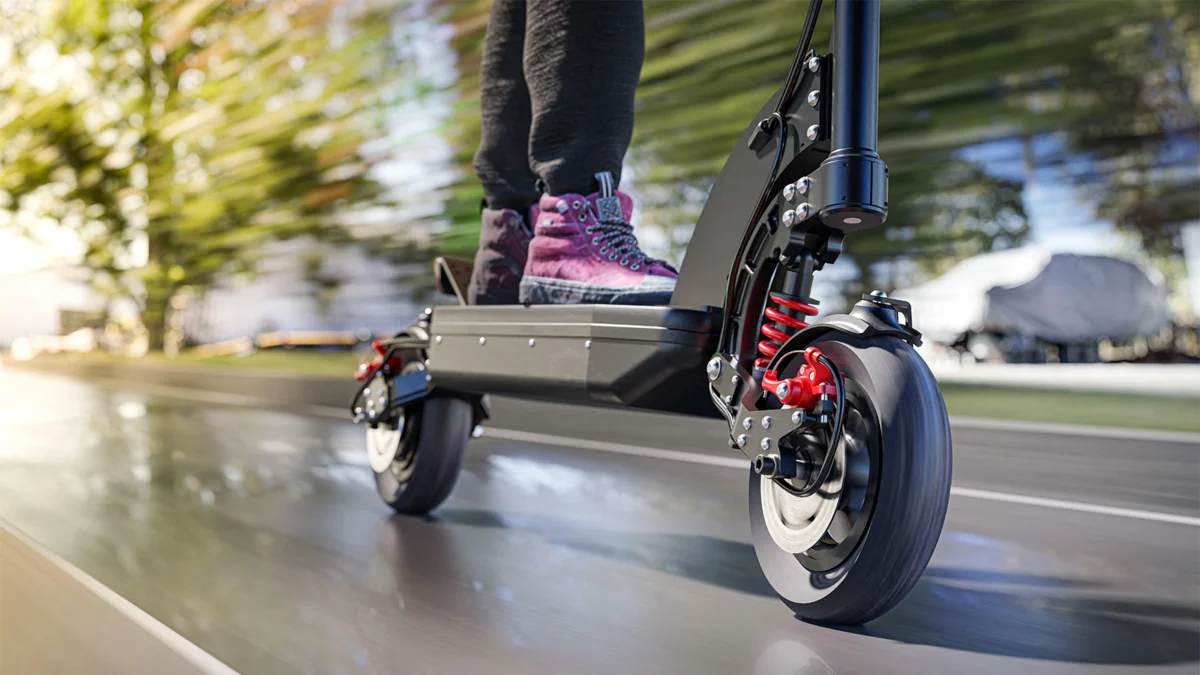
The physical mechanics of an e-scooter accident are inherently dangerous. Unlike a bicycle, which has large wheels capable of navigating uneven pavement, the small, rigid wheels of an e-scooter are notoriously susceptible to road irregularities. Furthermore, the high center of gravity and the standing position of the rider mean that in the event of a collision or sudden stop, the rider is effectively "ejected" from the vehicle, usually head-first.
A study conducted in Miami serves as a critical case study. When the city moved to revoke permits for five major scooter-share applications due to documented safety violations, the results were near-instantaneous. Within months, the proportion of orthopedic trauma cases at the city’s Level 1 trauma center related to e-scooters dropped from 2.8% to 1.8%. This correlation suggests that holding companies accountable for safety protocols is not just a regulatory hurdle—it is a life-saving measure.
The Regulatory Vacuum: A Patchwork of Inconsistency
Perhaps the most frustrating aspect of this crisis is the regulatory void. Because e-scooters do not fit neatly into the definition of a "motor vehicle," they have largely escaped the stringent federal oversight that governs automobiles. Instead, they have been left to the mercy of a chaotic, inconsistent, and often toothless patchwork of state and local legislation.
Current state laws present a dizzying array of contradictions:
- Helmet Mandates: Despite the clear risk of TBI, zero states currently mandate helmet use for adult e-scooter riders.
- Impaired Operation: Only a handful of states—notably Illinois, New York, and Utah—have explicitly outlawed the operation of e-scooters while under the influence of alcohol or drugs.
- Zoning: Regulations on where a scooter can be operated—sidewalks, bike lanes, or high-speed traffic—vary not just by state, but often by city block.
This inconsistency breeds confusion. A commuter traveling across city lines may inadvertently move from a "legal" zone to an "illegal" one, or find themselves in a high-speed roadway with no protection. This lack of standardization is a systemic failure that prioritizes the growth of the gig economy over the safety of the public.
Implications for Public Health and Policy
The implications of this inaction are profound. We are witnessing a demographic of young, healthy adults suffering from injuries that were once the domain of high-velocity motorcycle crashes.
1. The Burden on Healthcare Systems
The financial cost of these accidents is staggering. Emergency room visits, surgical interventions, physical therapy, and long-term care for TBI patients are straining hospital resources. When an entire generation faces early-onset physical disability, the long-term economic impact on the healthcare system will be felt for decades.
2. The Liability of Corporations
The companies facilitating this industry often deflect responsibility onto the user, claiming that individual riders are responsible for safety. However, by flooding cities with thousands of devices and prioritizing rapid deployment over infrastructure and safety education, these corporations bear a moral, if not legal, responsibility.
3. The Need for "Vision Zero" Integration
Urban planning must evolve. If we are to allow these devices in our cities, they must be treated as transportation, not recreation. This includes:
- Mandatory Helmet Integration: Scooter-share companies should be required to provide helmets at docking stations or integrate safety-checks into their apps.
- Infrastructure Investment: Dedicated lanes for micromobility that separate riders from both pedestrians and high-speed automotive traffic.
- Speed Governors: Technological limitations on top speeds in high-pedestrian areas.
A Call to Action
The evidence is clear: the current trajectory of electric scooter use is unsustainable. As a future physician, I find it difficult to reconcile the "convenience" of a mobile app with the permanent damage I see in the trauma bay.
We must demand more. We need federal guidelines that standardize the operation of these devices. We need local governments to enforce safety protocols with the same rigor they apply to automobile traffic. And most importantly, we need to strip away the illusion that e-scooters are harmless toys.
Every day we wait, more patients will arrive at our doors—their lives forever altered by a pothole, a moment of inattention, or a lack of basic safety equipment. It is time to treat this epidemic with the urgency it demands. Our cities should be places of movement and progress, not sites of preventable, life-altering trauma.