










In a significant advancement for cardiovascular medicine, an international team of researchers from the University of Barcelona and the University of Oregon has unveiled a pioneering approach to managing hypercholesterolemia. By utilizing specialized DNA-based molecules known as polypurine hairpins (PPRHs), the team has successfully demonstrated a method to suppress the protein PCSK9, thereby lowering "bad" cholesterol levels and potentially mitigating the risks of atherosclerosis—a leading cause of heart disease worldwide.
This innovative research, published in the journal Biochemical Pharmacology, represents a departure from traditional pharmacological treatments like statins, moving instead toward a precision-medicine approach that targets the genetic drivers of cholesterol accumulation.
The Core Challenge: Understanding Hypercholesterolemia and PCSK9
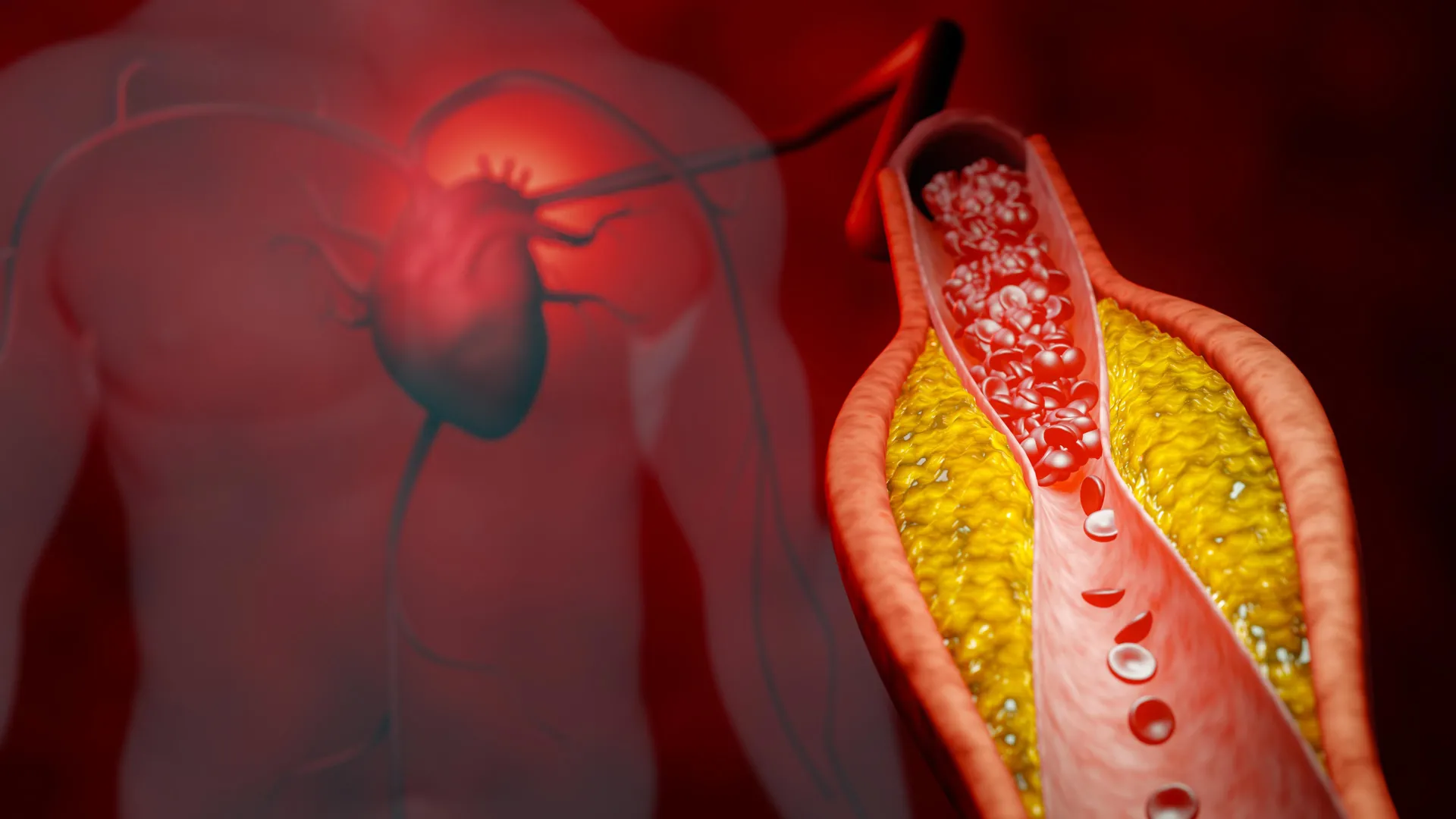
Hypercholesterolemia, characterized by elevated levels of low-density lipoprotein cholesterol (LDL-C) in the bloodstream, remains one of the most pervasive health threats in the modern era. When left unmanaged, excess LDL-C deposits onto the interior walls of arteries, forming fatty plaques. This process, known as atherosclerosis, narrows the arteries, restricts blood flow, and significantly increases the probability of myocardial infarction (heart attack) and stroke.
At the center of this physiological imbalance is a protein known as PCSK9 (protein convertase subtilisin/kexin type 9). In a healthy system, the liver uses LDL receptors to "vacuum" LDL-C from the blood. However, PCSK9 acts as a molecular saboteur; it binds to these receptors and triggers their degradation. When PCSK9 levels are high, the number of functional LDL receptors on the surface of liver cells drops, causing LDL-C to accumulate in the bloodstream.
For years, the medical community has sought ways to inhibit PCSK9, recognizing it as a "master switch" for cholesterol regulation. While current treatments—such as monoclonal antibodies and siRNA therapies—have made strides, the research led by Professors Carles J. Ciudad and Verónica Noé offers a unique, potentially more accessible alternative.
Chronology of a Scientific Milestone
The path to developing this therapy involved years of rigorous genetic study and interdisciplinary collaboration between Spain and the United States.
Early Discovery Phase
The research began with the identification of specific DNA sequences within the PCSK9 gene that could be targeted without disrupting other essential genetic functions. The team at the University of Barcelona’s Faculty of Pharmacy and Food Sciences, in collaboration with the Institute of Nanoscience and Nanotechnology (IN2UB), hypothesized that if they could block the transcription of the PCSK9 gene, they could effectively "reboot" the body’s natural cholesterol-clearing mechanism.
The Development of PPRHs
The researchers engineered polypurine hairpins (PPRHs)—short, specialized strands of DNA designed to bind with extreme precision to target sequences. Unlike other genetic therapies that require complex delivery systems or risk triggering an immune response, PPRHs were designed for stability and high specificity.
Testing and Validation
- Initial Lab Trials: The therapy was first applied to HepG2 liver cells. The results were striking, with the hairpin HpE12 reducing PCSK9 RNA levels by 74% and protein levels by 87%.
- Transgenic Mouse Models: Moving from cell culture to complex organisms, the team tested the therapy in mice engineered to carry the human PCSK9 gene. A single injection of HpE12 resulted in a 50% reduction in plasma PCSK9 and a 47% reduction in cholesterol levels within just three days.
- Journal Peer Review: Following the successful replication of these results, the study was submitted to and subsequently published in Biochemical Pharmacology, signaling its credibility and importance to the global cardiovascular research community.
Supporting Data: Why HpE12 Stands Out
The efficacy of the research rests on the specific performance of two hairpins: HpE9 and HpE12. Professor Carles J. Ciudad explains the mechanism: "One of the arms of each chain of the HpE9 and HpE12 polypurines binds specifically to polypyrimidine sequences of exons 9 and 12 of PCSK9, respectively, via Watson-Crick bonds."
This interaction is not merely a superficial blockage; it acts as a mechanical barrier. By binding to the DNA, the PPRH prevents the RNA polymerase—the enzyme responsible for reading the genetic code—from transcribing the PCSK9 gene. Without the transcription, the PCSK9 protein is never created, leaving the LDL receptors free to perform their duty: cleaning the blood.
Key Performance Metrics:
- HpE12 Effectiveness: Demonstrated an 87% reduction in PCSK9 protein levels in in vitro studies.
- Systemic Impact: In animal models, the therapy yielded a near-halving of cholesterol levels (47%) shortly after administration.
- Stability: The data suggests that PPRHs are inherently stable in biological environments, a major hurdle that often causes other gene-silencing technologies to fail.
Official Responses and Expert Perspectives
The research team, which includes Nathalie Pamir from the University of Oregon in Portland, has emphasized that this project is a synthesis of cutting-edge molecular biology and translational medicine.
Professor Verónica Noé highlights the dual-benefit of the treatment: "The results show that both HpE9 and HpE12 are highly effective. The ability to see such a dramatic drop in cholesterol after a single injection in our mouse models is a testament to the potency of this approach."
Regarding the funding and support of the project, the researchers acknowledged the vital role of the Spanish Ministry of Science, Innovation and Universities (MICINN) and the National Institutes of Health (NIH) in the United States. This international cooperation underscores the global urgency of finding solutions for cardiovascular disease, which remains the leading cause of death worldwide according to the World Health Organization.
Implications: A New Era Beyond Statins?
The implications of this discovery are profound, particularly for the millions of patients currently reliant on statins. While statins are effective, they are associated with well-documented side effects, most notably myopathies (muscle pain and weakness) and, in some cases, an increased risk of developing type 2 diabetes.
Advantages of the PPRH Approach:
- Safety Profile: Because PPRHs target the PCSK9 gene directly rather than interfering with the liver’s metabolic pathways—as statins do—they avoid the muscle-related side effects that often lead patients to abandon their medication.
- Cost and Scalability: The team notes that the cost of synthesizing these oligonucleotides is relatively low compared to the high production costs of monoclonal antibodies like evolocumab.
- Lack of Immunogenicity: A common problem with biological drugs is that the immune system eventually recognizes them as "foreign" and develops antibodies against them, rendering them ineffective. PPRHs, being DNA-based, are designed to be less likely to trigger such a response.
- Frequency of Dosing: The rapid and sustained reduction of cholesterol seen in animal models suggests that patients might require far less frequent dosing compared to daily oral medications.
Addressing the Competitive Landscape
The researchers are clear-eyed about the landscape of cholesterol treatment. Technologies such as siRNAs (like Inclisiran) and CRISPR-based gene editing are already pushing the boundaries of what is possible. However, the researchers believe their PPRH-based strategy offers a "Goldilocks" solution: it is more specific than broad-spectrum inhibitors, less immunogenic than protein-based therapies, and potentially more cost-effective than existing genetic interventions.
Future Directions and Conclusion
While the results from cell cultures and transgenic mice are undeniably promising, the transition to human clinical trials remains the next great hurdle. The team plans to further investigate the long-term safety and pharmacokinetics of HpE12, ensuring that the precise binding of these hairpins does not cause "off-target" effects—a common concern in genetic medicine.
If these future studies confirm the efficacy and safety observed in the laboratory, the medical community could be looking at a transformative tool for cardiovascular health. By effectively silencing the gene responsible for "bad" cholesterol accumulation, doctors may soon be able to provide a highly targeted, once-in-a-while treatment that keeps the heart’s arteries clear and functional, without the burden of daily pill-taking or the fear of muscular side effects.
As chronic diseases continue to strain healthcare systems globally, innovations like the polypurine hairpin approach represent the vanguard of a new, genetic-led paradigm in medicine. For the patient at risk of atherosclerosis, this research is more than just a breakthrough in a journal—it is a glimpse into a future where cardiovascular health is managed with precision, safety, and unprecedented effectiveness.