In an era where environmental stressors and socio-economic disparities continue to dictate long-term health outcomes, a pioneering European initiative is flipping the script on respiratory disease. The "LungHealth4Life" (LH4L) project, coordinated by the European Lung Foundation (ELF) through Lungs Europe, is bridging the gap between clinical respiratory science and classroom education. By targeting children in vulnerable communities, the project aims to foster a generation that is not only aware of their lung health but is equipped with the knowledge to protect it.
Main Facts: The Blueprint for Respiratory Literacy
The LH4L project is a multi-national effort designed to mitigate the growing burden of chronic respiratory conditions—a public health challenge that often begins in infancy and childhood. The program’s central thesis is that lung health is not merely a biological destiny determined by genetics, but a dynamic state influenced by environmental, social, and economic factors.
At its core, LH4L provides a two-pronged intervention in primary schools:
- Educational Curriculum: Tailored sessions that demystify lung anatomy, explain how air quality impacts breathing, and provide actionable lifestyle advice.
- Clinical Screening: On-site spirometry testing, which measures lung function and provides children with a tangible connection to their internal health.
Coordinated by the ELF in collaboration with six European partners, the project intentionally targets schools in areas characterized by higher levels of air pollution and limited socio-economic resources. By bringing these services directly to the students, LH4L circumvents traditional barriers to healthcare access, ensuring that children from all backgrounds receive the foundational knowledge required for a lifetime of respiratory wellness.
Chronology: A Multi-Phase Expansion
The implementation of LH4L has been a deliberate, data-driven journey, evolving from pilot concepts into localized real-world applications.
The Foundation and Initial Design
Before entering the classroom, the LH4L team spent months establishing the framework for the project. Recognizing that educational messages must be sensitive to cultural and local contexts, the team worked to ensure that the core messaging—the importance of clean air, avoiding respiratory irritants, and recognizing the signs of poor lung function—could be adapted to diverse European school systems.
The Polish Pilot: Identifying and Adapting
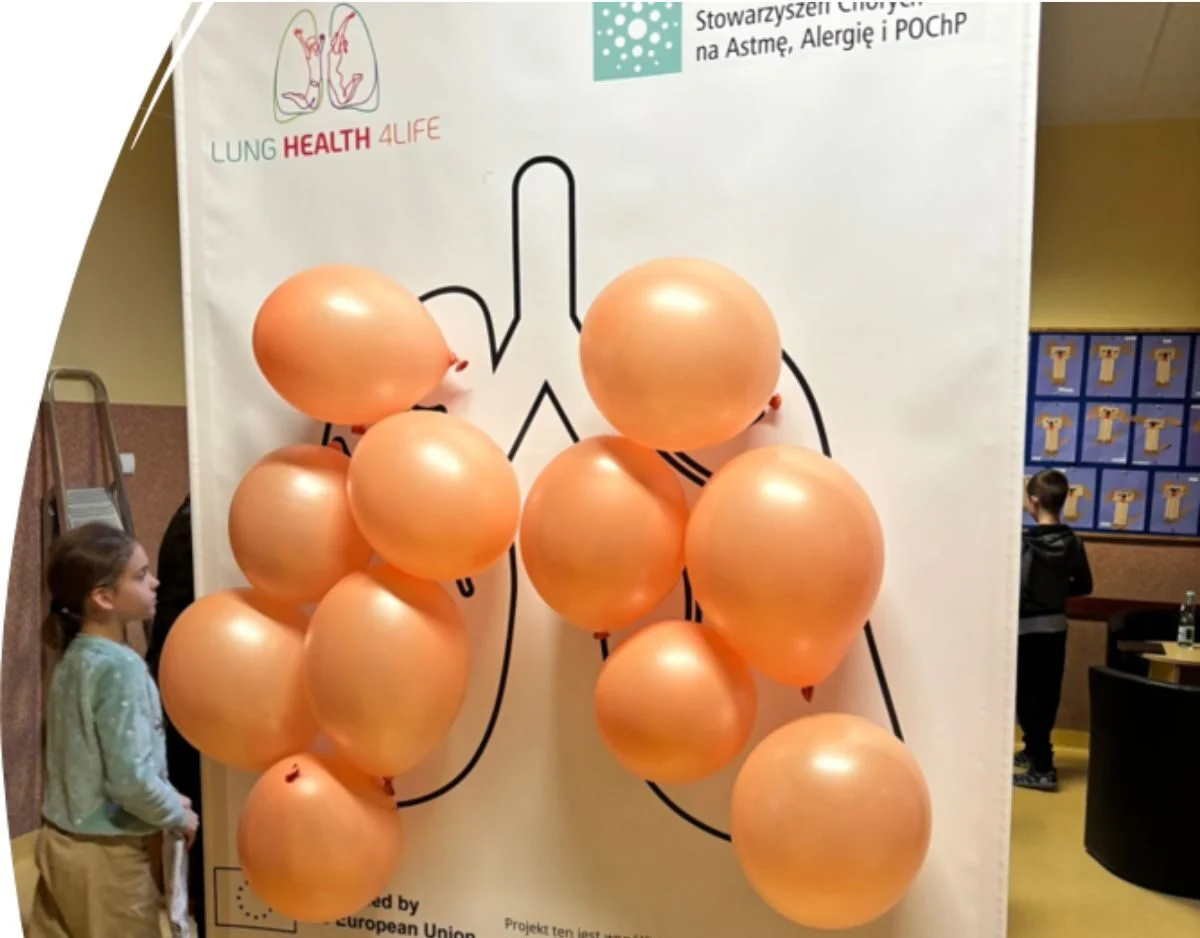
The project’s first major implementation took place in Legionowo, Poland. Working in collaboration with the Polish Federation of Asthma, Allergy and COPD Patients’ Associations, the team engaged students aged 7–12. Early in the process, the team encountered a significant hurdle: a low completion rate for parent-reported health questionnaires, which are vital for interpreting spirometry data.
In a display of agile project management, the team did not abandon the effort. Instead, they produced a short, clear explanatory video that translated complex clinical terminology into accessible, family-friendly language. This pivot significantly improved the quality of data collected, proving that clinical research in community settings requires as much focus on communication as it does on medical science.
The Portuguese Outreach: Community Integration
Following the Polish phase, the project expanded to Vila Real de Santo António in southern Portugal. Here, the focus shifted toward deep community integration. By partnering with volunteers from the Portuguese Association of General and Family Medicine, the project successfully integrated lung health education into the existing school timetable. Unlike the Polish model, which focused heavily on individual testing, the Portuguese approach introduced workshops for parents, recognizing that the home environment is a critical pillar in maintaining lung health.
The Road Ahead: Hungary and Beyond
The project is currently entering its next phase, with upcoming activities planned for Hungary. This expansion will involve approximately 300 pupils and is expected to provide further insights into the versatility of the LH4L model. Simultaneously, longitudinal follow-ups are being conducted in Poland and Portugal, where researchers are tracking whether the lessons learned in the classroom have resulted in sustained behavioral changes at home.
Supporting Data: Assessing the Impact
While the final impact analysis is ongoing, the initial numbers from the pilot programs demonstrate the scale and reach of the initiative:
- Poland (Legionowo): 144 children completed formal lung function testing. The implementation highlighted that direct engagement with schools is an effective conduit for reaching children who might otherwise not undergo respiratory screening.
- Portugal (Vila Real de Santo António): 306 children participated in the program. The high engagement level—bolstered by parental involvement workshops—suggests that community-based models are more sustainable than isolated clinical interventions.
The data being collected is not merely quantitative. By gathering responses from follow-up questionnaires, the LH4L team is assessing "respiratory literacy." They are looking for evidence of whether children can identify triggers for asthma, whether they understand the necessity of clean indoor air, and whether they have shared this information with their parents. The ultimate goal is to move beyond the school gates and influence household habits, such as smoking cessation or improved ventilation practices.
Official Perspectives and Expert Insight
The success of LungHealth4Life relies on its collaborative structure. By bringing together the European Lung Foundation, medical associations, and local school administrations, the project ensures a multi-disciplinary approach.
The ELF emphasizes that their role extends beyond coordination; they serve as the primary conduit for "communication and dissemination." By translating complex medical findings into accessible policy briefs, the ELF is working to ensure that the successes of these small-scale pilots can be scaled into long-term European health policies.
Health professionals involved in the project, particularly those from the Portuguese Association of General and Family Medicine, have noted that the project is as much about "empowerment" as it is about "prevention." By demystifying the spirometer—a machine that can seem intimidating to a child—the volunteers have managed to turn a medical test into an educational milestone. This shifts the perception of healthcare from a reactive response to illness into a proactive tool for personal development.
Implications: The Future of Pediatric Lung Health
The implications of the LungHealth4Life project are profound, touching on three critical areas of public health:
1. Reducing Health Inequalities
By prioritizing schools in lower-income areas, LH4L addresses the "social gradient" of health. Children in these regions are often disproportionately exposed to environmental pollutants and have less access to health education. LH4L acts as a corrective measure, providing resources that level the playing field.
2. Early Diagnosis and Intervention
Chronic lung diseases, such as asthma and COPD, often have their roots in early childhood. By implementing spirometry testing, LH4L can identify children who may have undiagnosed respiratory conditions, allowing for early clinical intervention. Early diagnosis is widely recognized as the single most effective way to prevent the progression of lung disease into adulthood.
3. Policy and Sustainability
The ultimate ambition of the project is to see these school-based lung health programs codified into national education and health strategies. If the data from the Hungarian, Polish, and Portuguese pilots proves that these interventions lead to measurable improvements in health literacy and behavior, the ELF will have a compelling case to present to European policymakers.
A Holistic Vision
LungHealth4Life is a testament to the fact that public health is not solely the responsibility of hospitals and clinics. It is a shared responsibility that begins in the classroom. As the project moves into its next phase, the focus will remain on the long-term sustainability of these habits. By teaching children to "care for their lungs," the project is not just treating the present; it is safeguarding the future health of Europe’s next generation.
For those interested in the ongoing progress of the project, the European Lung Foundation continues to update its dedicated portal, providing a transparent view of the methodologies and findings as they emerge. The path forward is clear: through education, early testing, and community partnership, we can build a world where every child understands the value of their breath.