









On March 29, 2026, the global medical community and the Ehlers-Danlos Syndrome (EDS) patient population suffered an immeasurable loss. Professor Rodney Grahame, a pioneer in rheumatology and a tireless champion for those living with connective tissue disorders, passed away, leaving behind a legacy that transformed the landscape of chronic pain and hypermobility care. For decades, Dr. Grahame served as a beacon of hope for patients who were frequently dismissed by the medical establishment, providing not just clinical expertise, but the invaluable gift of validation.
A Lifetime of Dedication: The Legacy of a Pioneer
Dr. Rodney Grahame’s career was defined by his relentless pursuit of understanding the complexities of the human body. As a UK-based rheumatologist, he occupied a unique space in medical history: he was one of the first clinicians to treat hypermobility not as a benign curiosity, but as a systemic condition capable of causing profound, lifelong suffering.
His advocacy began long before the internet made health information accessible. In an era where patients with hypermobility were often told they were "just bendy" or were misdiagnosed with psychosomatic illnesses, Dr. Grahame listened. He recognized the pattern of chronic pain, joint instability, and multisystemic symptoms that defined what we now understand as Hypermobility Spectrum Disorders (HSD) and Ehlers-Danlos Syndromes.
Chronology: A Career of Firsts and Foundations
To understand the scope of Professor Grahame’s impact, one must look at the timeline of his contributions to rheumatology:
- 1971: Dr. Grahame publishes seminal research, signaling his early interest in the mechanics of joint hypermobility and its long-term clinical consequences.
- 1983: He co-authors the groundbreaking text Hypermobility of Joints alongside Drs. Peter Beighton and Howard Bird. This book would become the "bible" for clinicians trying to understand joint laxity for the next several decades.
- 1998: In recognition of his extraordinary services to disabled people, he is appointed Commander of the Order of the British Empire (CBE), a testament to the societal weight of his clinical advocacy.
- 2008: Alongside colleagues Malfait, Hakim, and DePaepe, he contributes to the fundamental understanding of the genetic basis of hypermobility syndromes, bridging the gap between clinical observation and molecular science.
- 2010: He publishes Hypermobility, Fibromyalgia and Chronic Pain, further cementing the link between joint laxity and widespread pain syndromes.
- 2012: The updated edition of Hypermobility of Joints is released, keeping his teachings relevant for a new generation of doctors.
- 2014: During the Ehlers-Danlos National Foundation (EDNF) conference, he delivers his most iconic assessment: “No other condition in the history of modern medicine has been neglected in such a way as Ehlers-Danlos syndrome.”
- 2018: The Ehlers-Danlos Society releases a tribute video commemorating his 50th anniversary of service to the National Health Service (NHS).
- 2026: Professor Grahame passes away, leaving a void in the rheumatology community that will be felt for generations to come.
Supporting Data: Why His Work Matters
The significance of Dr. Grahame’s work is best measured by the evolution of medical nomenclature. For years, patients struggled to find a diagnosis for their multi-faceted symptoms. Dr. Grahame was instrumental in the transition from the antiquated term "Hypermobility Syndrome" to the more precise, current frameworks of Hypermobility Spectrum Disorders (HSD) and hypermobile Ehlers-Danlos Syndrome (hEDS).
His research did not just label conditions; it validated patient experiences. By documenting the correlation between joint hypermobility and systemic issues—such as autonomic dysfunction, gastrointestinal distress, and profound fatigue—he gave patients the vocabulary to advocate for their own care. His work provided the clinical evidence necessary to move EDS from the periphery of medicine into the focus of academic research.
The Patient Perspective: A Personal Reflection
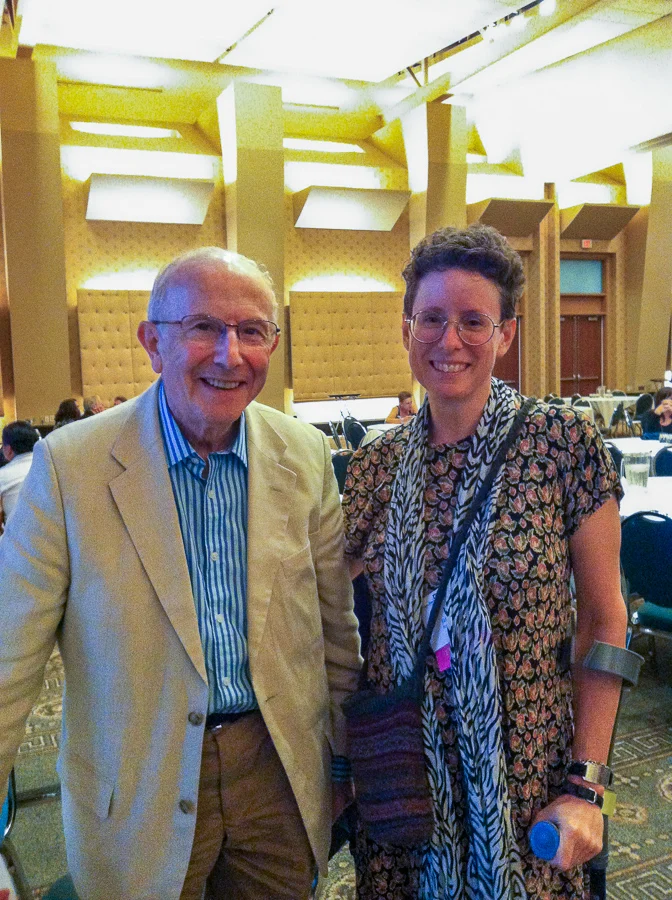
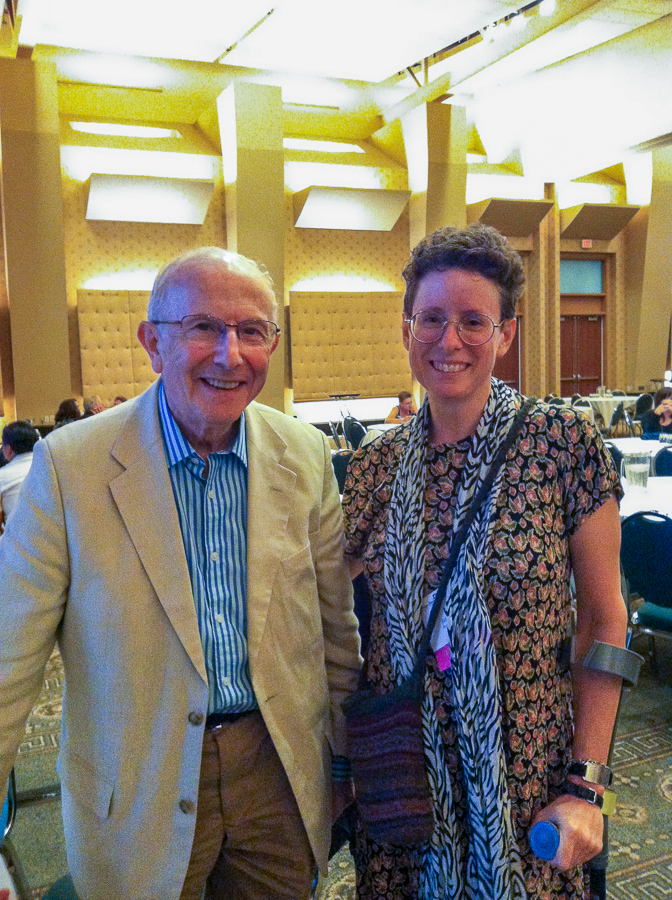
For many, Dr. Grahame was more than a doctor; he was a lifeline. Jan Groh, a media manager for Chronic Pain Partners and a long-time advocate, recalls her own diagnostic journey. "I was first tipped off to the world of hypermobility at age 40," she notes. "After a back injury caused by a simple twisting motion, I began searching for answers. Stumbling upon Dr. Grahame’s work was my first step toward realizing I wasn’t ‘just bendy.’ His insights provided the framework for me to seek out a geneticist and finally receive an hEDS diagnosis in 2012."
This story is echoed by thousands of patients worldwide. Whether through his clinical practice in London or his presence at international conferences, Dr. Grahame maintained a reputation for compassion. He was known for treating patients with the respect they had been denied elsewhere, acknowledging their pain as a biological reality rather than a psychological manifestation.
Official Responses and Professional Impact
The medical community has been quick to honor the late Professor. The Ehlers-Danlos Society and the Hypermobility Syndromes Association (HMSA) have both issued statements highlighting his enduring influence. Throughout his later years, he remained an active advisor to the HMSA, ensuring that his decades of experience continued to inform patient support organizations.
His peers remember him as a mentor who championed the importance of the physical examination in an increasingly digitized medical world. In an era where doctors often rely solely on imaging, Dr. Grahame championed the "art of the clinical exam," proving that a physician’s eyes and hands remain the most powerful diagnostic tools.
Implications for the Future of EDS Care
As we look toward the future of connective tissue research, the path forward is paved by the foundations laid by Professor Grahame. The transition of EDS and HSD into mainstream medical consciousness is not yet complete, but it is vastly further along than it was when Dr. Grahame began his career.
His legacy implies a mandate for future clinicians:
- Continued Advocacy: The "neglect" he identified in 2014 still persists in some corners of medicine; it is the duty of his successors to continue the fight for clinical awareness.
- Interdisciplinary Care: Dr. Grahame’s work highlighted that EDS is not just a rheumatological issue, but a multisystemic one. His advocacy for collaborative care remains the gold standard for treating patients with complex connective tissue disorders.
- The Patient-Doctor Partnership: Perhaps his greatest contribution was the model of the patient as a partner in their own diagnosis. By encouraging patients to learn about their own anatomy, he fostered a culture of empowerment.
Final Thoughts: A Lasting Legacy
Dr. Rodney Grahame’s life was a masterclass in empathy and academic rigor. He did not merely watch the field of rheumatology evolve; he pushed it forward, often against the grain of a resistant medical establishment. He leaves behind an outsized legacy that lives on in every patient who finally receives a diagnosis, every doctor who takes the time to listen to a patient’s story, and every researcher who continues to seek the genetic markers of hypermobility.
In the words of the community he served so faithfully: we are forever grateful. The world of EDS and hypermobility is brighter, clearer, and more hopeful because of his life’s work. As we bid farewell to this titan of medicine, we hold onto the knowledge that his teachings will guide the next generation of healers for decades to come.
For those wishing to learn more about the history of hypermobility research, the works of Professor Rodney Grahame, including his foundational texts on joint hypermobility and his numerous peer-reviewed papers, remain essential reading for clinicians and patients alike.