









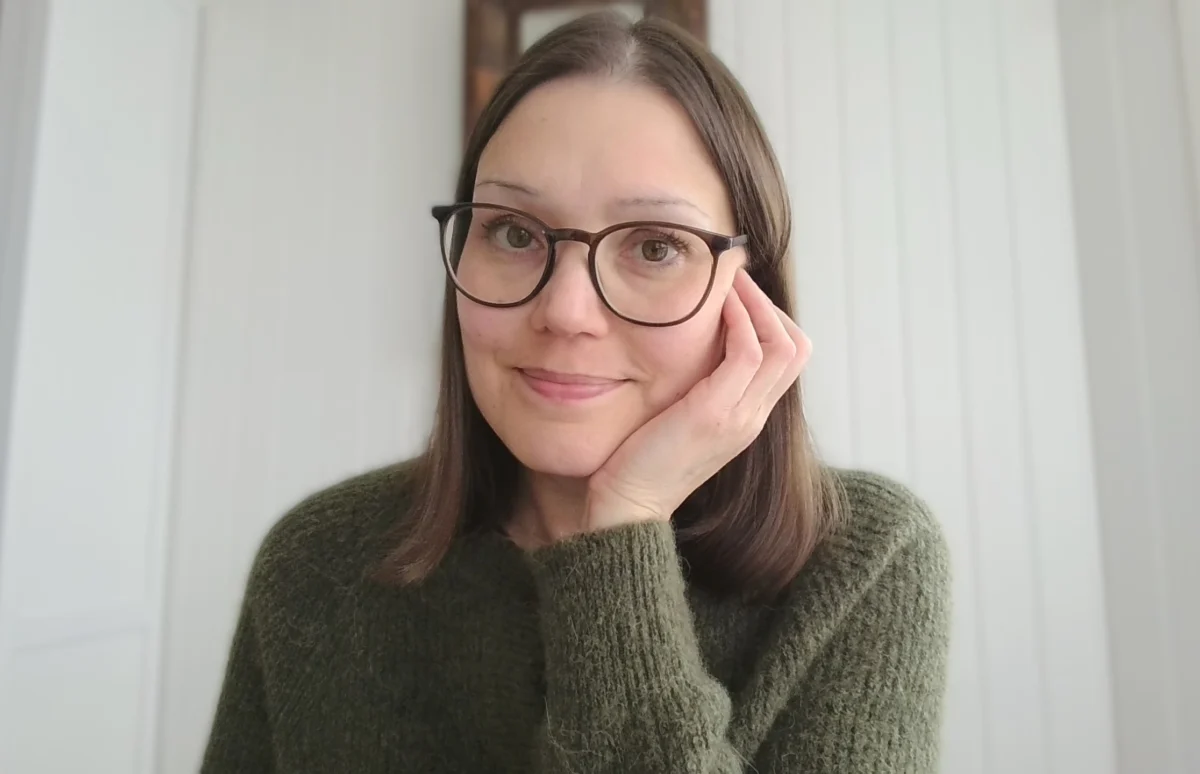
For decades, the medical community has prioritized clinical data, diagnostic markers, and pharmacological efficacy. However, as the landscape of respiratory medicine evolves, a vital voice is increasingly taking center stage: the patient. Tanja Hedberg, a 48-year-old health psychology expert from northern Sweden, recently took to the pages of Breathe—the clinical educational publication of the European Respiratory Society (ERS)—to bridge the gap between abstract science and the lived reality of chronic illness.
Living with Primary Ciliary Dyskinesia (PCD), a rare genetic disorder, Hedberg’s narrative is more than a personal account; it is a profound reflection on the systemic challenges of rare disease management, the psychological toll of chronic infection, and the critical importance of patient-clinician partnership.
The Clinical Landscape: What is PCD?
Primary Ciliary Dyskinesia is a rare genetic condition characterized by the impairment of cilia—tiny, hair-like structures that line the airways, sinuses, and middle ears. In a healthy individual, these cilia beat in a synchronized rhythm to clear mucus and debris. In those with PCD, this clearance mechanism is compromised, leading to chronic, recurrent respiratory infections, bronchiectasis, and potential complications involving fertility and organ placement.
For Hedberg, the diagnosis was not a singular event but a lifelong struggle. "I have engaged in daily treatment and self-management all my life," she explains. Having been colonized by Pseudomonas aeruginosa—a bacterium notorious for its resistance to antibiotics—her daily regimen is a non-negotiable, life-sustaining necessity.
A Chronology of Uncertainty: The Diagnostic Odyssey
Hedberg’s story underscores a common, painful reality for those with rare conditions: the diagnostic odyssey. For years, her symptoms were conflated with those of Cystic Fibrosis (CF). While the clinical approach to CF provided a framework for treatment, it failed to address the nuances of her specific condition, particularly the CCDC39 genetic variant.
The Era of Misalignment
Before a definitive diagnosis, Hedberg felt a persistent sense of being "blamed" for the failure of standard treatments. "Generic airway clearance routines were expected to work the same way for me, but they did not," she notes. When the therapies failed to clear the infections, the implicit assumption from some medical providers was that the patient was failing to adhere to the protocol, rather than the protocol failing the patient.
The Turning Point
The eventual diagnosis was, in Hedberg’s words, "transformative." It did not merely label her illness; it restored her agency. By understanding the physiological basis of her symptoms, she could finally divorce her identity from the shame of "failing" a treatment that was never optimized for her condition. However, the diagnosis also highlighted a glaring deficiency in the medical system: the burden of education often falls on the patient. Because PCD is rare, Hedberg found herself in the exhausting dual role of patient and informal educator, navigating a system that often lacked the specialized knowledge to guide her care.
Supporting Data: The Intersection of Psychology and Biology
The Breathe article, and Hedberg’s subsequent reflections, highlight a growing body of evidence suggesting that the psychological impact of chronic lung disease is often as disabling as the physical symptoms.
Hedberg’s background in health psychology provides a unique lens through which to view her condition. She argues that chronic illness is not just a biological state; it is an emotional and social one. "Long-term conditions, like PCD, impact not only physical health, but also emotional wellbeing, social life, and sense of self," she states.
The Burden of Silent Symptoms
The data on chronic respiratory conditions often overlooks the "pre-symptom" phase—the period where patients recognize subtle behavioral or emotional shifts that often precede a clinical exacerbation. Hedberg emphasizes that these subjective patient insights are, in effect, early-warning diagnostic tools. If physicians learn to validate these patient-reported patterns, they could shift the model of care from reactive (treating an infection) to proactive (preventing one).
Official Responses and the Value of the "Patient Voice"
The ERS’s decision to feature Hedberg in Breathe is a strategic move to reform medical education. Breathe is designed to bring peer-reviewed, high-quality content to a global respiratory audience, but it recognizes that clinical expertise is incomplete without patient perspective.
By inviting patients to share their narratives, the ERS aims to:
- Humanize the Condition: Move beyond pathology to understand the "lifelong viewpoint" of the patient.
- Foster Partnership: Replace the traditional top-down clinical model with a collaborative approach where patient expertise is respected.
- Improve Care Outcomes: Encourage clinicians to remain humble in the face of medical uncertainty.
As Hedberg highlights, "While evidence-based practice is crucial, it is important to remain humble and open to what we still do not know."
Implications: Redefining Quality of Life
What does it mean to live well with a life-altering, chronic, and incurable condition? For Hedberg, the answer has shifted over the decades.
From Shame to Resilience
In her twenties, the weight of her illness—including the difficult conversations regarding potential lung transplantation—led to a period of intense, rigid control. She describes this as a "failed" coping mechanism that prioritized the illness over the person. Through the support of specialized counselors, she learned to transition from a state of "enduring" to "coexisting."
"Today, I coexist with my condition peacefully," she says. This acceptance is not passive; it is an active, ongoing process of self-compassion. She emphasizes that quality of life is not the absence of symptoms, but the presence of meaning. Whether it is finding solace in her dog, spending time in nature, or staying intellectually engaged with psychology, Hedberg has cultivated a life that exists alongside, rather than beneath, her illness.
The Future of Collaborative Care
The broader implication of Hedberg’s story is the call for a more integrated healthcare system. As patient advocacy groups continue to grow, the dialogue between researchers, clinicians, and patients is becoming more robust.
Key takeaways for the healthcare community include:
- Validation over Assumption: Before questioning patient adherence, clinicians should investigate the efficacy of the current treatment plan relative to the specific genetic or physiological requirements of the patient.
- Psychosocial Integration: Mental health support should be a core component of respiratory care, not an afterthought.
- Transparency in Uncertainty: In rare diseases, where the "textbook" may not exist, being honest about what is unknown builds, rather than diminishes, trust.
Conclusion
Tanja Hedberg’s journey is a testament to the resilience of the human spirit and the necessity of empathy in medicine. By choosing to share the intimate details of her life—from the shame of her youth to the empowerment of her current advocacy—she provides a blueprint for what a more humane healthcare system looks like.
For patients living with PCD and other rare, chronic conditions, Hedberg offers a simple but profound message: you are not alone, and your experience is a vital part of the scientific evidence. For clinicians, the message is equally clear: the patient is the ultimate expert in their own lived experience. When these two sources of knowledge—the clinical and the personal—are combined, the result is not just better care, but a better quality of life for all involved.