By the European Lung Health Editorial Desk | July 16, 2026
The global landscape of respiratory health is constantly evolving, driven by the tireless dedication of patient-led organisations. As we move through the second half of 2026, the Patient Organisation Network continues to serve as a vital conduit for change, advocacy, and community support. From the corridors of the European Medicines Agency (EMA) to community-led screening initiatives in the Himalayas, patient groups are proving that the most effective healthcare innovations are those built upon the lived experiences of those they serve.
This month’s round-up explores a diverse array of initiatives—ranging from new research partnerships for rare diseases to the expansion of diagnostic access—highlighting how collaborative action is reshaping the trajectory of lung health.
1. Main Facts: A Global Movement for Respiratory Health
The activities reported in July 2026 reflect a thematic shift toward "empowered advocacy." Across the board, organisations are moving beyond traditional support models, stepping into roles as active partners in clinical research, regulatory decision-making, and diagnostic outreach.
Key takeaways from this month’s activity include:
- Regulatory Inclusion: The formal recognition of patient organisations by major bodies like the EMA is creating a direct pipeline for patient insights to influence drug regulation.
- Multidisciplinary Integration: Patient groups are increasingly emphasizing that lung care is not a "siloed" discipline; the focus is shifting toward holistic, team-based care models.
- Addressing Health Inequities: From Nepal to Ukraine, organisations are working to bridge the gap between high-tech research and the reality of patients living in underserved or conflict-affected regions.
2. Chronology: A Month of Breakthroughs
The following timeline details the strategic events and milestones that defined the patient advocacy sector throughout June and July 2026:
- June 3: FairLife Lung Cancer Care hosts a high-impact webinar, “Treatment in Lung Cancer is Not the Work of One Doctor: It Takes a Team,” engaging over 1,680 viewers.
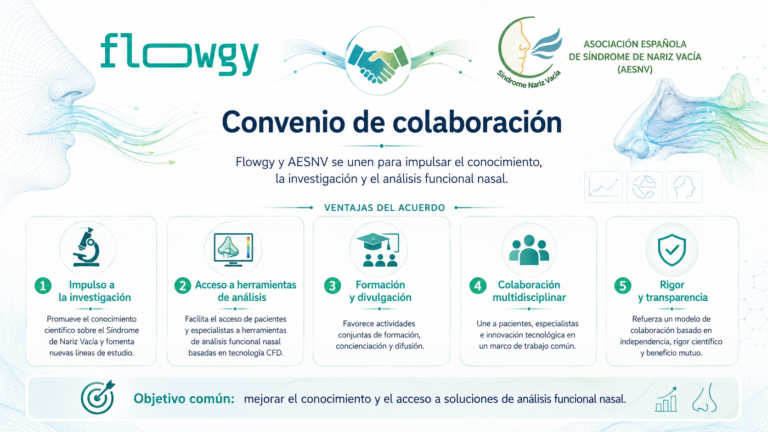
- June 18: The Spanish Association for Empty Nose Syndrome (AESNV) formalizes a landmark research partnership with Flowgy to innovate nasal airflow analysis.
- Late June: The Aspergillosis Trust participates in the 9th World Bronchiectasis Conference in Hannover, fostering international cross-collaboration.
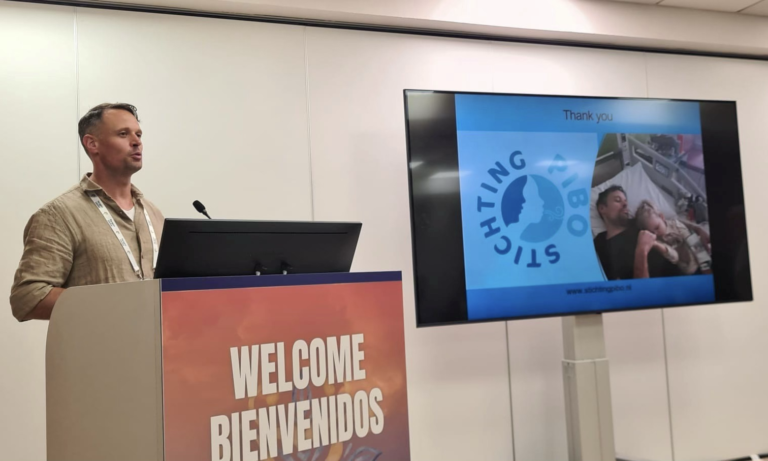
- June 25: The Dutch PIBO Foundation presents critical findings at the International Society of Pediatric Respiratory Diseases Congress in Bologna, highlighting the emotional toll of post-infectious bronchiolitis obliterans.
- Early July: Lung Cancer Europe publishes its 2026 Mid-Year Report, marking a significant update in their institutional identity and advocacy framework.
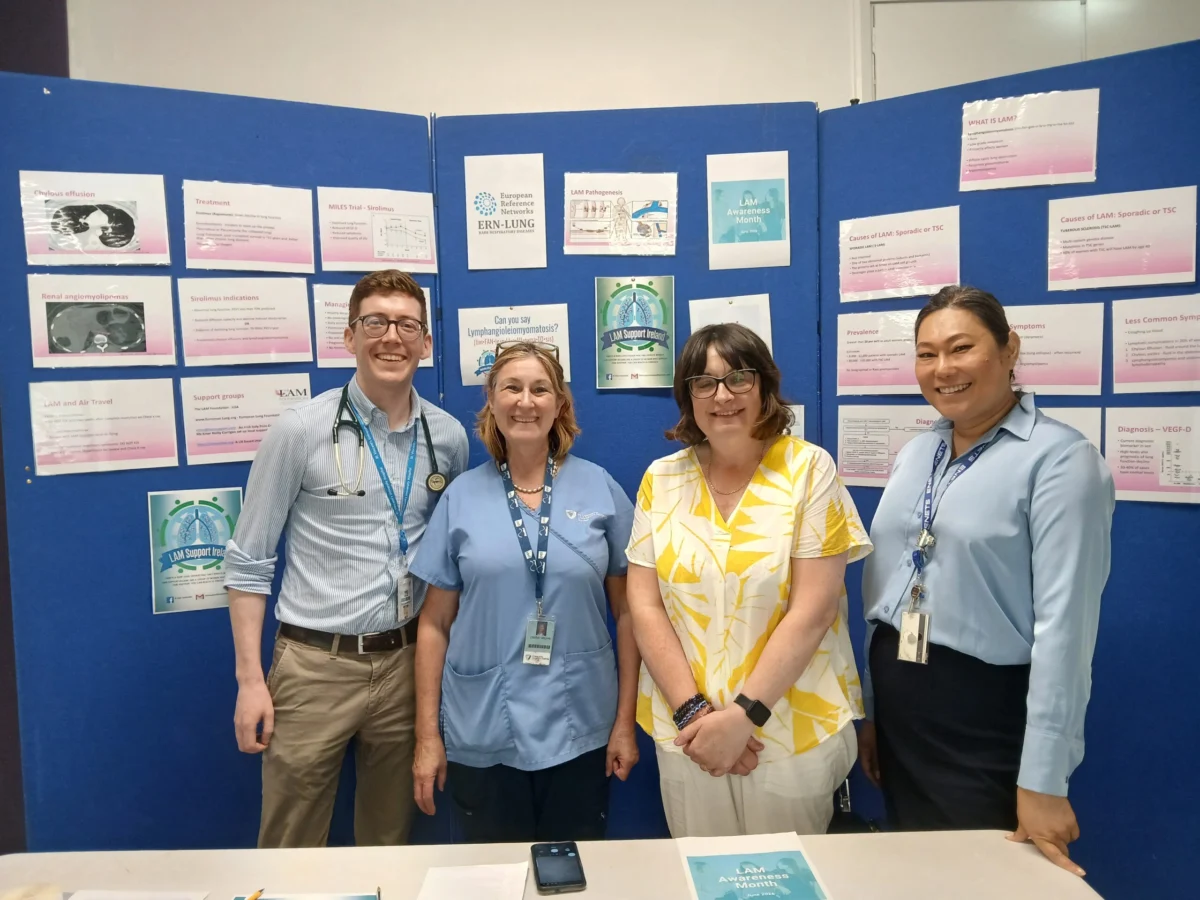
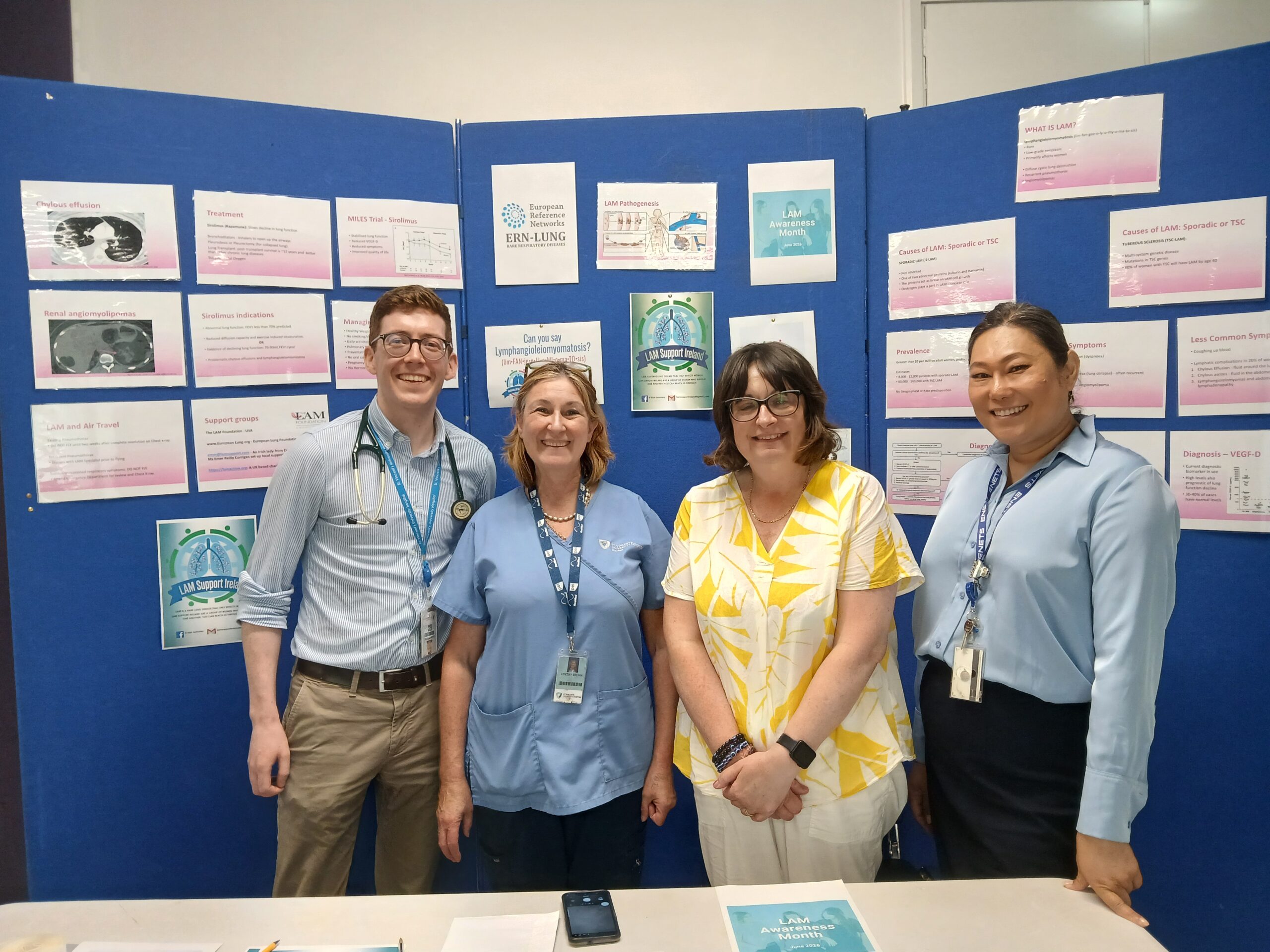
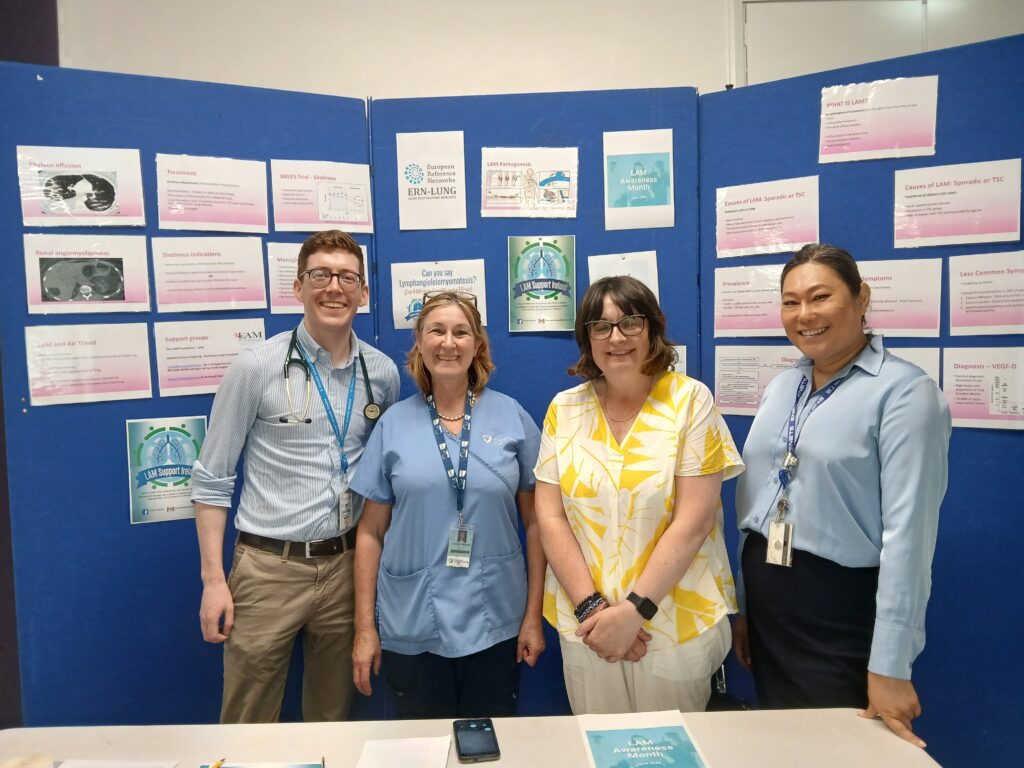
- Throughout July: Worldwide LAM Awareness Month activities culminate in localized awareness campaigns, such as the display at St Vincent’s Hospital in Dublin.
3. Supporting Data and Organisational Impact
The impact of these initiatives is not merely qualitative; many organisations are utilizing data-driven approaches to force institutional change.
The Power of Collaborative Care
FairLife’s recent webinar underscored a shift in how lung cancer is managed. With 1,680 attendees, the event provided a platform for multidisciplinary experts to demonstrate that personalized care plans—developed by teams of surgeons, oncologists, and patient advocates—result in better diagnostic speed and treatment outcomes.
The "Patient Voice" in Regulatory Affairs
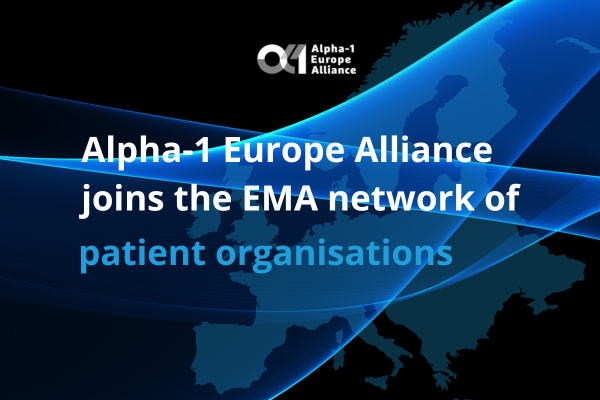
The Alpha-1 Europe Alliance (A1EA) has achieved a significant regulatory milestone by gaining eligibility within the EMA’s patient and consumer network. This is not just a title; it is a functional role. A1EA will now provide formal input on medicines, ensuring that regulators consider the lived reality of patients—including treatment tolerability and quality of life—when approving new therapies.
Bridging the Diagnostic Gap
In Nepal, the National Health Action Force (NHAFN) is executing the Swastha Saans Nepal (Healthy Breath Nepal) project. By deploying portable spirometry equipment into remote communities, the organisation is collecting real-world diagnostic data that was previously unavailable. This data is crucial for mapping the prevalence of asthma and COPD in regions that have historically been excluded from national respiratory health registries.

4. Official Responses and Advocacy Perspectives
The narratives emerging from these organisations reflect a shared commitment to transparency and patient agency.
PIBO Foundation: Addressing the "Invisible" Burden
The Dutch PIBO Foundation’s presentation in Bologna was a clarion call for pediatric research. "Living with PIBO is not just a medical challenge; it is a continuous emotional negotiation for families," representatives stated. Their upcoming international survey aims to quantify the "caregiver burden," a metric that is often ignored in traditional clinical trials but is essential for understanding the long-term sustainability of pediatric care.

PHURDA: Resilience Under Pressure
The Pulmonary Hypertension Union of Rare Diseases and Disorders (PHURDA) of Ukraine highlighted the necessity of maintaining care standards during crises. By participating in the Global Pulmonary Hypertension Patient Hackathon in Dallas, they ensured that the unique needs of patients in conflict zones were represented on a global stage. Their message was clear: access to life-sustaining medication must be protected, even in the most volatile geopolitical environments.
ALK Positive UK: Simplifying the Complex
The launch of the Talking Points guide by ALK Positive UK is a masterclass in patient empowerment. By providing a structured template for clinical appointments, the organisation is helping to democratize the consultation room. "When a patient walks in with the right questions, the power dynamic shifts," the group noted. This tool is designed to ensure that the patient remains an active participant in their own therapeutic journey.
5. Implications: The Future of Patient-Centric Care
What do these developments mean for the broader healthcare ecosystem?
1. The End of the "Passive Patient" Model
The 2026 mid-year trends suggest that the era of the passive patient is over. Whether it is through ALK Positive UK’s appointment guides or the PIBO Foundation’s push for research surveys, patients are increasingly becoming the architects of their own care protocols.
2. The Integration of Rare Disease Data
Rare disease organisations like the Aspergillosis Trust and the Spanish Association for Empty Nose Syndrome are increasingly leveraging their niche expertise to force innovation. By partnering with private tech firms (like Flowgy), these groups are effectively crowdfunding or crowd-partnering the research that major pharmaceutical companies may overlook due to the smaller patient populations involved.
3. Globalizing Local Success
The cross-pollination of ideas—seen in the attendance of European groups at the World Bronchiectasis Conference and the Global PH Hackathon—indicates a trend toward a borderless advocacy network. As these groups share best practices, the standard of care in one country is increasingly being used as a benchmark for others.
Conclusion: Looking Ahead to the Second Half of 2026
As we look toward the remainder of the year, the focus for the Patient Organisation Network remains steady: advocacy for better diagnostics, more equitable access to treatment, and the continued professionalization of the patient voice.
The work being done by these organisations—from the high-level policy rooms of the EMA to the community halls of rural Nepal—serves as a testament to the resilience of the human spirit. By turning their personal struggles into public policy, these groups are not only improving the lives of those currently affected by lung conditions but are also building a more robust, compassionate, and efficient respiratory healthcare system for the future.
Get Involved:
Stay informed by joining our mailing list to receive the latest updates, research insights, and opportunities to participate in our ongoing advocacy campaigns. Your voice is the most important tool in our arsenal for change.