









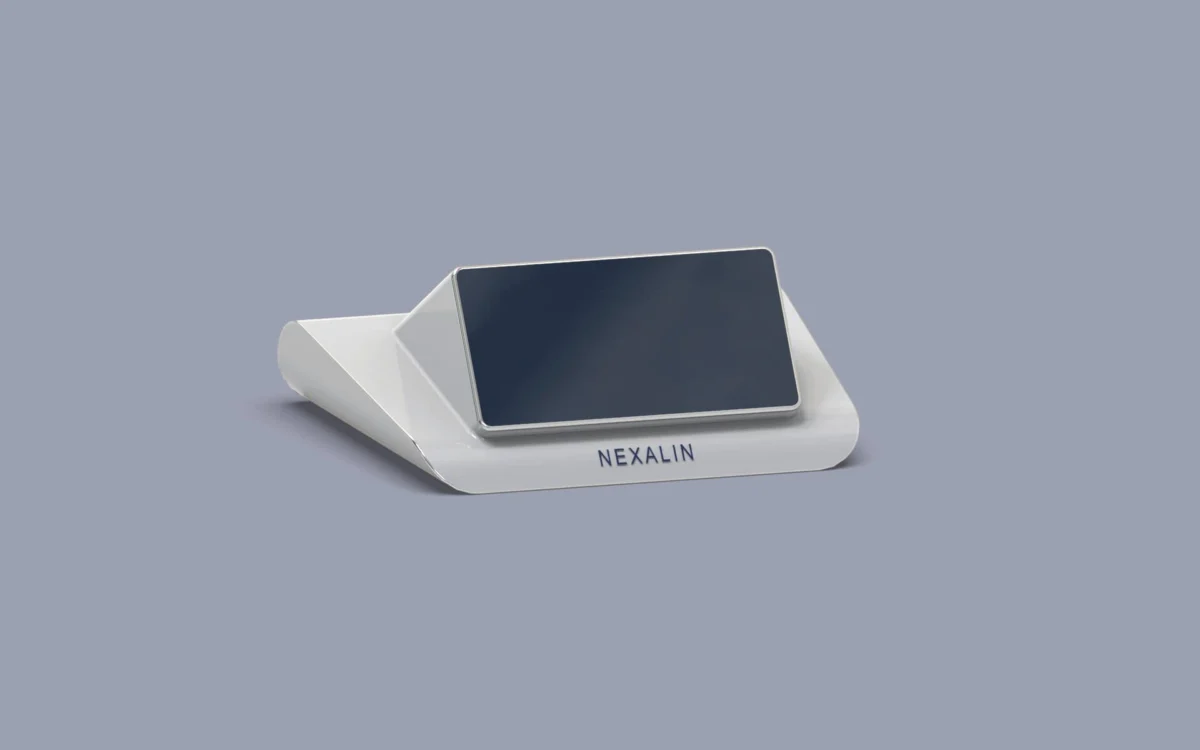
In the complex field of sleep medicine, the quest for non-pharmacological, noninvasive interventions has long been the "holy grail" for clinicians treating patients with chronic insomnia. A landmark study recently published in the peer-reviewed journal Psychotherapy and Psychosomatics has provided what researchers are calling a critical piece of the puzzle. The study offers robust evidence that Nexalin Technology’s Deep Intracranial Frequency Stimulation (DIFS) not only alleviates the subjective symptoms of sleep deprivation but also actively modulates the brain’s core functional networks.
The Core Findings: A Breakthrough in Neurostimulation
For decades, neurostimulation has been viewed with a mixture of skepticism and hope. While deep brain stimulation (DBS) has proven effective for conditions like Parkinson’s disease, it typically requires invasive surgical implantation of electrodes. Nexalin Technology Inc. has challenged this paradigm with a high-power, 15 mA, 77.5 Hz noninvasive stimulation approach.
The randomized, double-blind, sham-controlled trial set out to measure the efficacy of this technology over a four-week period. The results were striking. Participants in the active treatment group saw their scores on the Pittsburgh Sleep Quality Index (PSQI)—the gold standard for measuring sleep quality—plummet from 13.8 to 7.7. In clinical terms, a change of this magnitude is statistically significant (p < 0.001), indicating a profound improvement in sleep architecture and quality of life.
Conversely, the control group, which received "sham" stimulation, saw virtually no improvement, with PSQI scores remaining stagnant at 13.8 to 13.9 (p = 0.74). This clear divergence underscores that the therapeutic benefit is not merely a placebo effect, but a direct result of the DIFS technology.
Chronology: From Concept to Clinical Validation
The path to this publication is part of a broader, methodical effort by Nexalin to establish DIFS as a legitimate therapeutic modality.
- Initial Development: Nexalin’s frequency-based bioelectronic technology was engineered to reach deep into mid-brain structures without the need for surgical intervention. By utilizing high-power, noninvasive waves, the device aims to modulate neural pathways that are often dysregulated in psychiatric conditions.
- The 120-Participant Multicenter Study: Before the current neuroimaging findings, Nexalin established its clinical footprint through a 120-participant multicenter study, which provided the foundational data confirming that the device could effectively reduce insomnia symptoms.
- The Current Study (2024): The recent Psychotherapy and Psychosomatics publication represents the next logical step in the company’s scientific journey: moving from "does it work?" to "why does it work?" By utilizing advanced neuroimaging, researchers were able to observe the physical changes in the brain occurring simultaneously with clinical improvement.
- The HALO Clarity Trial: Currently, the company is deep into its pivotal HALO Clarity trial. This study is designed to be the backbone of a de novo FDA submission, aiming to bring this technology into the mainstream American medical market.
Supporting Data: Mapping the "Hyperaroused" Brain
Perhaps the most significant aspect of the study is its focus on functional connectivity. Chronic insomnia is frequently characterized by "hyperarousal"—a state where the brain remains in a high-alert status, preventing the transition into restorative sleep.
The study identified measurable modulation in two critical neural networks:
- The Default Mode Network (DMN): This network is active when an individual is at rest and is often implicated in self-referential thought and emotional processing. In insomniacs, the DMN is often poorly regulated, leading to the "racing thoughts" that characterize the condition.
- The Salience/Ventral Attention Network: This system helps the brain decide which stimuli are important enough to focus on. Dysregulation here contributes to the inability to "shut off" the brain from environmental or internal triggers during the night.
The study concluded that the 77.5 Hz stimulation effectively "resets" or modulates these networks, dampening the hyperarousal and allowing the brain to enter more efficient states of rest. This provides the "mechanistic support" that regulatory bodies, such as the FDA, look for when evaluating novel medical devices.
Official Perspectives: The Path Forward
The leadership at Nexalin Technology views these findings as a pivot point for the company’s mission. Dr. David Owens, Chief Medical Officer at Nexalin, emphasized the significance of moving beyond symptom-based metrics.
"This publication represents another important scientific validation point for Nexalin and our proprietary DIFS technology," Dr. Owens stated in a recent press release. "We believe these findings go beyond simply suggesting symptom improvement; they also provide neuroimaging evidence indicating that our high-power, noninvasive approach may be modulating key brain networks. This combination of clinical signal and mechanistic support further strengthens the case for Nexalin’s treatment platform and reinforces the broader potential of DIFS across neuropsychiatric indications."
Mark White, CEO of Nexalin, echoed this sentiment, framing the technology as a potential disruption to the current standard of care. "Unlike conventional approaches that may be limited by power, invasiveness, tolerability, or depth of engagement, DIFS is designed to deliver a differentiated, high-power, noninvasive stimulation approach that is undetectable to the human body," White noted. "We believe Nexalin has the potential to meaningfully advance the standard of care for mental health."
Implications: A New Era for Insomnia Treatment
The implications of these findings are far-reaching. If chronic insomnia can be treated by modulating the brain’s core networks, it suggests that we may be moving toward a future where psychiatric conditions are treated as "circuitry disorders" rather than purely chemical imbalances.
1. Reducing Reliance on Pharmacotherapy
Currently, the most common treatments for insomnia are sedative-hypnotics, which carry risks of dependency, daytime grogginess, and rebound insomnia. A device-based intervention that addresses the root cause of network dysregulation could offer a safer, more sustainable long-term solution.
2. Global Expansion
Nexalin is not waiting for domestic approval to expand its reach. The Nexalin Gen-2 15 mA device has already secured regulatory approval in China, Brazil, Oman, and Israel. This global rollout serves as a real-world testing ground, providing additional data that supports the efficacy and safety profile of the technology.
3. Broadening the Horizon
While the current focus is on insomnia, the researchers noted that the Default and Salience networks are implicated in a wide range of neuropsychiatric conditions, including anxiety, depression, and PTSD. By successfully demonstrating that DIFS can modulate these networks, Nexalin has opened the door for future research into using the same device to treat a broader spectrum of brain-based disorders.
Conclusion: The Future of Neuro-Modulation
As the medical community digests these results, the focus will undoubtedly shift to the upcoming HALO Clarity trial. If the data from this pivotal study continues to reflect the positive outcomes seen in the Psychotherapy and Psychosomatics paper, the medical community may be forced to reconsider the standard of care for insomnia.
For patients who have spent years navigating the limitations of current sleep therapies, the prospect of a high-power, noninvasive, and neurologically-targeted treatment is promising. Nexalin has succeeded in bridging the gap between clinical observation and neurological evidence—a feat that could define the next chapter in bioelectronic medicine. As the company prepares for its de novo FDA submission, the scientific world will be watching closely to see if this "undetectable" stimulation can indeed provide the deep, restorative relief that millions of insomnia patients desperately seek.