







In a significant breakthrough for cardiovascular and metabolic medicine, researchers at the UT Southwestern Medical Center have identified a previously unrecognized protein, HELZ2, that serves as a master regulator of how the liver secretes cholesterol-carrying particles into the bloodstream. This discovery, detailed in the American Heart Association journal Circulation, offers a new biological "lever" that could fundamentally shift the treatment landscape for heart disease and non-alcoholic fatty liver disease (NAFLD).
By intervening at the genetic instruction stage—long before cholesterol-laden proteins are even synthesized—this research provides a novel alternative to traditional pharmacological approaches like statins, which primarily target cholesterol metabolism after the proteins have already entered the circulation.
The Core Discovery: A New Mechanism of Control
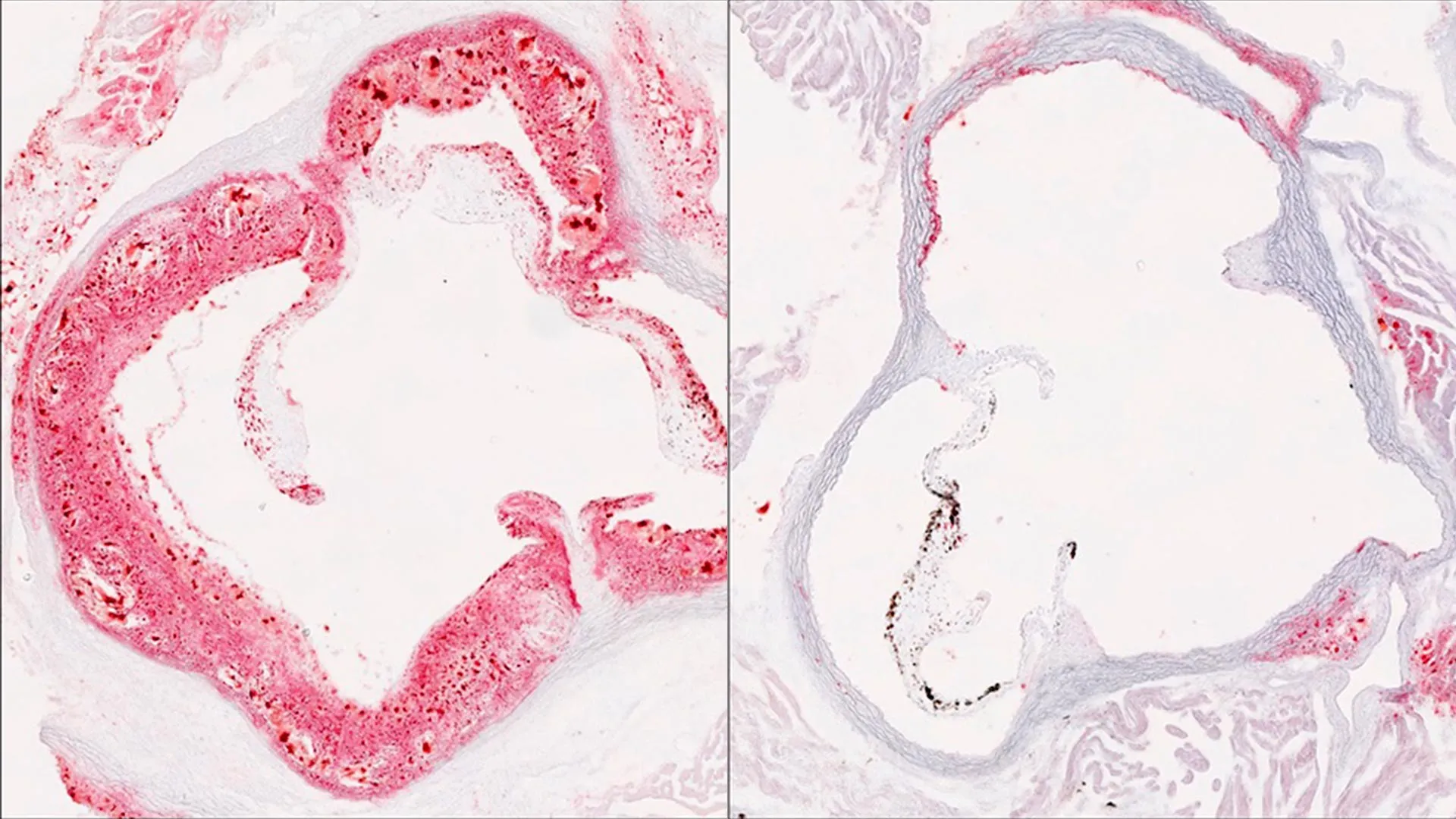
At the heart of the discovery is the protein HELZ2. The liver is the body’s primary engine for lipid management, processing fats and packaging them into lipoproteins—particles such as LDL (low-density lipoprotein) and triglycerides—which are then secreted into the bloodstream. These particles are essential for energy transport, but when produced in excess, they become the primary drivers of atherosclerosis, the process of plaque accumulation that leads to heart attacks and strokes.
The UT Southwestern team discovered that HELZ2 acts as a gatekeeper for the APOB gene. The APOB gene provides the instructions for creating apoB proteins, the structural backbone of these cholesterol-transporting particles. The researchers found that HELZ2 regulates the stability of APOB messenger RNA (mRNA). By shortening the lifespan of this mRNA, HELZ2 effectively limits the volume of "blueprints" available to the liver’s cellular machinery, thereby reducing the production of apoB proteins and, consequently, the number of cholesterol particles released into the blood.
Chronology of the Research: From Genetic Screening to Discovery
The path to this discovery was paved by advanced genetic screening techniques. The research team utilized a large-scale genetic screening system pioneered by Nobel laureate Dr. Bruce Beutler, Director of the Center for the Genetics of Host Defense at UT Southwestern.
The Initial Observation
The study began with an investigation into an unexpected phenomenon: mice exhibiting unusual fat accumulation within their livers. Researchers noted that these specific mice displayed a unique genetic profile that set them apart from the control groups.
Mapping the Mutation
Through meticulous genetic mapping, the team identified a "gain-of-function" mutation. This mutation caused the mice to produce significantly higher levels of HELZ2 activity. As they tracked the physiological downstream effects of this mutation, they observed a striking reduction in blood-borne cholesterol and triglycerides.
Validating the RNA Connection
Once the link between the HELZ2 mutation and lower blood cholesterol was established, the scientists focused on the mechanism. By analyzing liver cell samples, they observed that the high levels of HELZ2 were systematically breaking down APOB mRNA. This confirmed that the protein was operating at the transcriptional level—the "instructional" phase—rather than the post-translational phase where most current cholesterol medications intervene.
Supporting Data: The Delicate Balance of Lipid Homeostasis
The data gathered during the study revealed a fascinating, if complex, trade-off. While the HELZ2-mutated mice showed remarkable protection against atherosclerosis due to lowered circulating lipoproteins, they simultaneously experienced an increase in liver fat.
The "See-Saw" Effect
Dr. Zhao Zhang, senior author and Assistant Professor in the Center for the Genetics of Host Defense and Internal Medicine, described this phenomenon as a biological "dial."
- Turning the Dial Up: Increasing HELZ2 activity reduces blood cholesterol but causes lipids to pool within the liver.
- Turning the Dial Down: Decreasing HELZ2 activity increases the secretion of lipoproteins into the bloodstream, which may clear the liver of fat but raises the risk of arterial plaque buildup.
This "see-saw" effect highlights the complexity of lipid metabolism. The liver is not merely a dumping ground for cholesterol; it is a highly active metabolic organ that must balance internal storage with external secretion. This discovery confirms that manipulating HELZ2 is not a "silver bullet" that solves all lipid issues, but rather a powerful tool that must be balanced carefully to avoid trading cardiovascular health for liver health, or vice versa.
Official Perspectives: Shifting the Paradigm
The research team emphasizes that this finding represents a paradigm shift in how cardiologists and endocrinologists may eventually approach patient care.
"Most previous research focused on what happens to apoB after it’s already made," noted Dr. Yiao Jiang, a postdoctoral researcher in the Zhang Lab and co-author of the study. "What surprised us is that HELZ2 acts much earlier, by controlling how long the apoB ‘message’ survives before the protein is even produced."
Dr. Zhang echoed this sentiment, emphasizing the clinical potential of the discovery: "The idea that we can control apoB at the RNA level represents a major shift in how we think about cholesterol regulation. It gives us a new molecular lever—and potentially a new set of tools—for tackling these conditions."
The inclusion of Dr. Bruce Beutler’s expertise—specifically his renowned genetic screening platform—was instrumental in identifying a protein that might have been overlooked by traditional biochemical methods. By viewing the problem through the lens of genetic mutations rather than just protein assays, the team was able to identify HELZ2 as the central regulator of the entire APOB expression pathway.
Implications for Future Medicine
The implications of this study are far-reaching, particularly for the pharmaceutical industry and patients who are resistant to or experience adverse side effects from current therapies.
Moving Beyond Statins
Statins, the gold standard for cholesterol management, work primarily by inhibiting HMG-CoA reductase, an enzyme involved in the cholesterol synthesis pathway. While highly effective, they are not universally tolerated and do not work for every patient. HELZ2 offers an entirely different mechanism of action. Because it regulates the "message" (mRNA) for lipoprotein production, it could serve as a target for RNA-based therapies, a burgeoning field in medicine that includes antisense oligonucleotides and siRNA treatments.
Addressing Fatty Liver Disease
The study also opens a new door for treating fatty liver disease. If scientists can learn to modulate HELZ2 precisely—perhaps by "tuning" it rather than simply turning it up or down—it may be possible to improve the liver’s ability to process and export fats without triggering a dangerous spike in systemic cholesterol. This dual-purpose potential makes HELZ2 an exceptionally attractive target for drug development.
The Path Forward
The next steps for the team at UT Southwestern involve refining the modulation of HELZ2. The challenge lies in achieving a therapeutic window where the liver can safely export lipids without overwhelming the cardiovascular system. Researchers are optimistic that with further study, this genetic "lever" will become a cornerstone of personalized metabolic medicine.
Conclusion
The discovery of HELZ2 at UT Southwestern is a testament to the power of high-throughput genetic screening in solving complex physiological puzzles. By identifying the protein that dictates the lifespan of APOB mRNA, researchers have uncovered a sophisticated, hitherto unknown regulatory system for lipid metabolism. While the findings are still in the pre-clinical stage, the potential to treat heart disease and liver disease at the level of genetic instructions marks an exciting new chapter in the fight against metabolic disorders.
As the medical community continues to look for more precise and effective ways to manage chronic disease, the story of HELZ2 serves as a reminder that the most effective solutions often lie in the fundamental, underlying genetic processes that keep our biological systems in balance.
This research was supported by grants from the National Institute of Diabetes and Digestive and Kidney Diseases of the National Institutes of Health (R00DK115766 and R01DK130959). Dr. Bruce Beutler, a Regental Professor, holds the Raymond and Ellen Willie Distinguished Chair in Cancer Research, in Honor of Laverne and Raymond Willie, Sr., and is a member of the Harold C. Simmons Comprehensive Cancer Center.