











As the holiday season approaches, the ritual of gift-giving takes on a deeper, more intentional meaning for millions of families navigating the complexities of eldercare. For the fifth consecutive year, the Caregiving Club has released its highly anticipated Holiday Gift Guide, a curated resource designed to bridge the gap between practical necessity and restorative well-being. Under the guidance of CEO Sherri Sniffin, this year’s guide pivots toward a multisensory approach to wellness, grounded in the philosophy that caregivers and older adults alike thrive when their environments and daily routines engage the five senses.

The Core Philosophy: A Multisensory Approach to Care
The foundation of the 2025 guide is rooted in the principles explored in Sherri Sniffin’s book, Me Time Monday. The central thesis posits that environmental wellness—the space we inhabit—is a critical, often overlooked pillar of overall health. By curating products that stimulate sight, sound, smell, taste, and touch, the Caregiving Club aims to provide tools that reduce caregiver burnout while simultaneously enhancing the quality of life for aging loved ones.

"We are highlighting our picks for best Caregiver Wellness Gifts by choosing things that fit into our five senses," Sniffin explains. "In Me Time Monday, I write about the natural, soothing calm we get when we immerse ourselves in nature and by engaging the senses. These gift ideas are designed to embrace that wellness philosophy."

Chronology of the Caregiving Club Gift Guides
Since its inception, the Caregiving Club’s annual guide has evolved from a simple list of gadgets into a comprehensive educational resource.
- 2021: Launched the inaugural guide, focusing on basic assistive technology for aging in place.
- 2022: Expanded to include "AgeTech," highlighting the rise of digital health tools.
- 2023: Introduced specialized categories for dementia care and emotional support.
- 2024: Deepened the focus on "Environmental Wellness" and home modification.
- 2025: Reached the 5th Anniversary milestone with a tri-fold approach: Wellness for Caregivers, Wellness for Older Adults, and Wellness for the Home.
Supporting Data: Why Targeted Gifting Matters
The importance of this guide is underscored by industry data. Statistics show that family caregivers influence or directly purchase 79% of all products utilized by older adults. Despite this massive market influence, many caregivers report feeling overwhelmed, often unaware of the innovations available to help their loved ones age in place safely and with dignity.

Furthermore, with one in three adults over the age of 85 expected to develop some form of dementia, the 2025 guide places a significant emphasis on "dementia-friendly" gifting—products that spark joy, reduce anxiety, and foster connection without the pressure of complex cognitive requirements.

Top Picks: Wellness for the Caregiver
Caregiver burnout is a pervasive health crisis. The 2025 guide suggests shifting the focus toward self-care, acknowledging that a caregiver who is not replenished cannot effectively serve others.

1. The Comfort of Bamboo (Cozy Earth)
Bedding might seem like a standard gift, but for a sleep-deprived caregiver, high-quality bamboo sheets offer a tactile, temperature-regulating experience that can significantly improve sleep hygiene.

2. Wearable Recovery (Acupressure Socks)
For those on their feet all day, these socks offer a non-invasive, low-cost way to manage foot fatigue and stress, integrating the "touch" sense into a wearable form.

3. Vagus Nerve Stimulation (Truvaga)
The Vagus nerve is the body’s master controller for stress. The inclusion of the Truvaga device highlights a growing trend in "neuro-wellness," allowing caregivers to physically signal their nervous system to enter a state of calm.

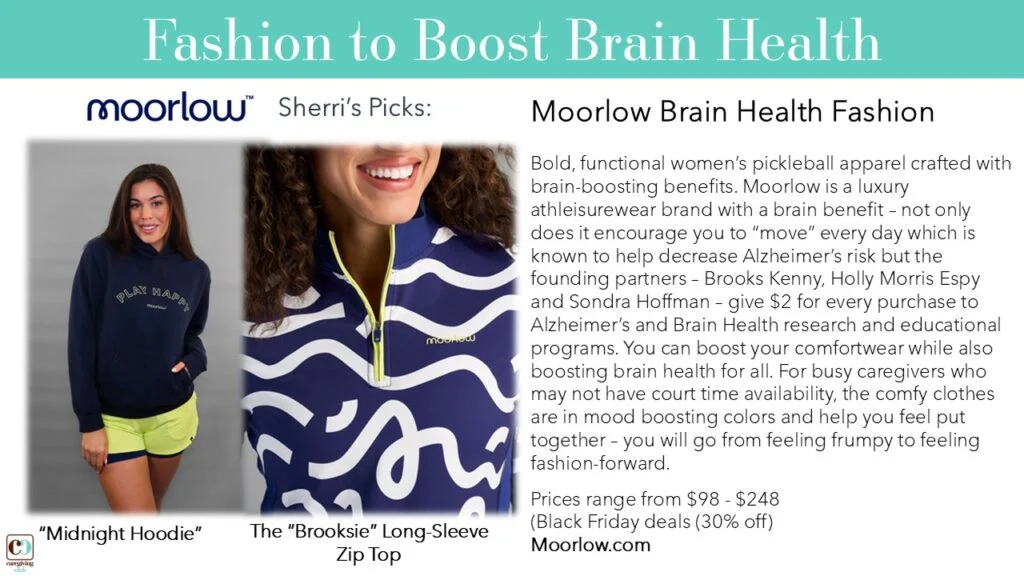
4. Fashion with Function (Moorlow)
Brain health is increasingly linked to mental stimulation. By blending fashion with cognitive engagement, these products prove that wellness tools do not need to look clinical.

5. Respite Care (Respitely)
Perhaps the most significant gift a caregiver can receive is time. Respitely provides the infrastructure for organized, professional respite breaks, directly addressing the mental health toll of 24/7 caregiving.

Wellness for Older Adults: Safety Meets Joy
The products selected for older adults focus on autonomy. The goal is to provide tools that assist with daily tasks while maintaining the individual’s sense of independence.
1. Mobility and Style (Vivaia)
Footwear is a critical safety factor. These flats combine ergonomic support with a modern aesthetic, ensuring that the wearer feels confident and stable.

2. The "Smart" Home Revolution (GoGoGrandparent)
This platform remains a staple for a reason: it connects seniors to reliable, on-demand services without requiring them to master complex smartphone interfaces.

3. The UPbed (Journey Health)
Sleep is the foundation of health. The motorized UPbed is a prime example of AgeTech that transforms a standard piece of furniture into a medical-grade wellness tool, assisting with mobility and circulation.

4. Dementia Care: Digital and Tactile
For those living with dementia, the guide highlights the "Memory Board"—a digital tool that keeps memories alive—and Teepa Snow’s Companion Cards. These items are designed to minimize the frustration often associated with memory loss, focusing instead on "dementia play" to keep anxiety at bay.

Wellness for the Home: Designing a Sanctuary
Environmental wellness is the final frontier in the 2025 guide. As Sniffin notes, "Creating well home design goes beyond making homes accessible and safe. It includes things such as air care and biophilic design."

1. Biophilic Elements
From succulent kits to rain chains, the guide encourages bringing the "outside in." Research consistently shows that biophilic design—the incorporation of natural elements—lowers blood pressure and improves mood.

2. Self-Care in the Kitchen
The inclusion of "Mind Over Batter" (baking as therapy) and easy-to-use egg cookers reflects the need for low-stress, high-reward activities that keep the home environment active and nurturing.

Implications for the Future of Caregiving
The Caregiving Club’s 2025 guide sends a clear message to the industry: the future of care is holistic. We are moving away from a model that focuses solely on medical intervention and toward one that emphasizes the quality of the living environment.

The integration of podcast interviews with CEOs of companies like Carewell, GoGoGrandparent, and AlzAuthors provides a layer of professional vetting that is rare in typical holiday gift guides. It invites the audience to listen to the "why" behind the products, rather than just the "what."

Official Resources and Shopping Codes
For those looking to utilize these recommendations, the Caregiving Club has provided a universal discount code: CARES15, applicable at select partners. Furthermore, the club continues to support specialized communities like AlzAuthors, which provides a library of resources for those on the dementia journey.

A Note on Accessibility
The guide is available in both written and video format. Each section is introduced by a commentary from Sherri Sniffin, which can be viewed on the Caregiving Club’s YouTube channel. This multisensory delivery ensures that caregivers—who may be visually exhausted from reading medical charts and screens—can consume the information in a way that is most convenient for them.
As the season concludes, the overarching takeaway from the 2025 guide is one of empowerment. Caregiving is a marathon, not a sprint, and the tools we choose to bring into our homes should serve as companions in that journey—reminders that even in the most challenging of times, there is space for comfort, beauty, and, most importantly, connection. Whether you are buying for a loved one or gifting yourself a moment of respite, the 2025 Holiday Gift Guide serves as a roadmap to a more balanced, wellness-focused year ahead.