










A breakthrough in metabolic medicine has emerged from the laboratories of the University of California San Diego (UCSD) School of Medicine. Researchers have unveiled findings from a Phase IIb clinical trial involving an experimental therapeutic, ION224, which demonstrates a profound ability to disrupt the biological mechanisms driving metabolic dysfunction-associated steatohepatitis (MASH). As the global incidence of fatty liver disease reaches epidemic proportions, this development offers a glimmer of hope for millions of patients currently navigating a landscape of limited pharmacological options.
The study, published in the prestigious medical journal The Lancet, details how ION224—an antisense therapy—successfully inhibits the production of fat within the liver. By targeting the enzyme DGAT2, the drug intervenes in the disease process rather than merely addressing its secondary symptoms, marking a paradigm shift in how clinicians may soon manage aggressive liver disease.
The Silent Crisis: Understanding the MASH Epidemic
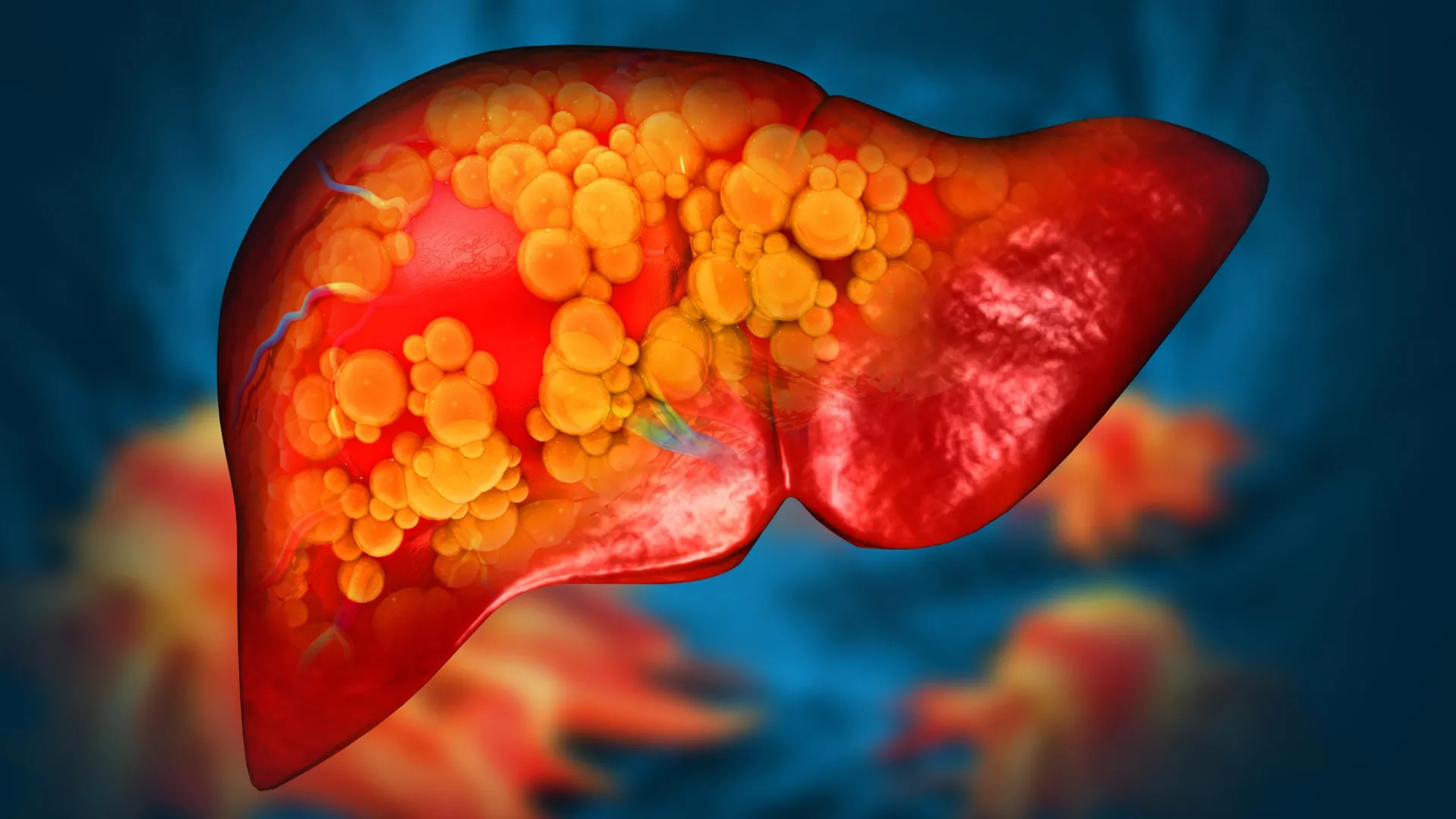
To appreciate the significance of the ION224 trial, one must first understand the gravity of MASH. Formerly referred to as nonalcoholic steatohepatitis (NASH), MASH is a severe manifestation of metabolic dysfunction-associated steatotic liver disease (MASLD). It is a "silent" condition, often progressing for decades without presenting overt symptoms. During this period, the liver accumulates toxic levels of fat, triggering chronic inflammation and the progressive deposition of collagen—a process known as fibrosis.
If left unchecked, this architectural damage to the liver culminates in cirrhosis, where healthy tissue is replaced by permanent scarring. At this stage, the organ loses its ability to filter toxins, regulate metabolism, and produce essential proteins, eventually leading to liver failure or hepatocellular carcinoma (liver cancer).
The epidemiological data is sobering. Researchers estimate that one in four adults globally lives with some form of fatty liver disease. In the United States alone, the figure exceeds 100 million people. The rise in MASH is inextricably linked to the parallel rise in metabolic syndrome, specifically obesity and type 2 diabetes. As these conditions become more prevalent, the burden on global healthcare systems—particularly regarding the need for liver transplants—is expected to grow exponentially.
Chronology of a Medical Breakthrough
The development of ION224 represents the culmination of years of molecular research into the pathways of de novo lipogenesis—the metabolic process by which the liver synthesizes fat.
- Preclinical Discovery: Scientists identified DGAT2 (diacylglycerol O-acyltransferase 2) as a critical enzyme in the final steps of triglyceride synthesis. By inhibiting this enzyme, researchers theorized they could essentially "turn off" the liver’s internal fat-factory.
- The Phase IIb Trial: Recognizing the potential, a clinical trial was organized to test the safety and efficacy of ION224 in humans. The study enrolled 160 adults across the United States, all of whom had biopsy-confirmed MASH and varying degrees of mild to moderate fibrosis.
- The 51-Week Intervention: Over a period of 51 weeks, participants were administered monthly injections of either ION224 at varying dosages or a placebo. This structure allowed for a robust comparison of efficacy and safety.
- Data Publication: Following the completion of the trial, the results were compiled and subjected to rigorous peer review before being published in The Lancet, signaling a high level of confidence in the trial’s methodology and outcomes.
Supporting Data: Efficacy and Safety Profiles
The results of the Phase IIb trial were statistically significant and clinically encouraging. Among the most striking findings was the dose-dependent response observed in the participants.
Key Findings:
- Meaningful Improvement: Approximately 60% of patients receiving the highest dose of ION224 experienced a significant improvement in liver health markers compared to the placebo group.
- Mechanism of Action: Unlike current interventions that rely on lifestyle modifications or weight-loss drugs, ION224 operates independently of weight loss. While weight loss is beneficial for MASH patients, the drug demonstrated that it could reduce intrahepatic fat even in patients who did not shed significant pounds.
- Safety and Tolerability: A common hurdle for liver-targeted therapies is the potential for adverse systemic effects. However, ION224 was generally well-tolerated. Crucially, the drug did not trigger the dangerous spikes in triglycerides often seen in other experimental therapies that attempt to block fat production.
This data is transformative because it validates the use of antisense technology—a method of silencing specific genes—in treating metabolic liver disease. By bypassing the limitations of traditional small-molecule drugs, ION224 provides a more precise surgical strike against the biochemical pathways of disease.
Official Perspectives: The Clinical Significance
Dr. Rohit Loomba, MD, the study’s principal investigator and chief of the Division of Gastroenterology and Hepatology at UC San Diego School of Medicine, has been a vocal advocate for this new approach.
"This study marks a pivotal advance in the fight against MASH," Dr. Loomba stated. "By blocking DGAT2, we’re interrupting the disease process at its root cause, stopping fat accumulation and inflammation right in the liver."
Loomba’s optimism is echoed by the broader medical community, which has long been searching for a "targeted therapy." For years, the standard of care for MASH was largely confined to recommending diet and exercise. While these are essential, they are often insufficient for patients who have already developed significant fibrosis. The ability to offer a pharmacological intervention that directly mitigates the damage caused by fat buildup represents a shift from "symptom management" to "disease modification."
The research team, which included experts from Ionis Pharmaceuticals and Arizona Liver Health, emphasized that this drug is not intended to exist in a vacuum. As clinical development moves forward, the focus will likely shift to how ION224 can be integrated into a "cocktail" of therapies, potentially pairing it with GLP-1 agonists or other metabolic regulators to maximize patient outcomes.
Implications for Future Treatment Strategies
The successful trial of ION224 provides a blueprint for the future of hepatology. There are three primary implications for the medical field:
1. The Era of Precision Hepatology
We are moving away from the "one-size-fits-all" approach to fatty liver disease. By identifying the specific enzyme pathways (like DGAT2) responsible for a patient’s liver damage, physicians may soon be able to tailor treatments to the specific metabolic profile of the individual.
2. Combination Therapy Potential
The realization that ION224 can improve liver health without requiring significant weight loss suggests a synergistic future. Patients struggling with the metabolic triad—obesity, diabetes, and MASH—could theoretically take a weight-loss medication to improve systemic health while using ION224 to protect the liver from direct, fat-induced damage.
3. Preventing the "Cirrhosis Pipeline"
If ION224 proves effective in larger trials, it could drastically reduce the number of patients who progress to end-stage liver disease. By catching the disease at the fibrosis stage and halting its progression, the medical system could see a reduction in the demand for liver transplants, which remain a scarce and resource-intensive medical intervention.
The Path Forward: What Happens Next?
Despite the success of the Phase IIb trial, the medical community remains cautious and focused on the next hurdle: the Phase III clinical trials. These large-scale, multi-center studies are the "gold standard" required by regulatory bodies such as the FDA to confirm safety and long-term efficacy across a much broader and more diverse patient population.
The researchers behind the ION224 project are currently preparing for these expanded studies. The focus will be on long-term outcomes, including the impact of the drug on the incidence of cirrhosis, liver failure, and liver-related mortality.
Funding for the initial phase was provided by Ionis Pharmaceuticals, demonstrating a significant investment from the pharmaceutical industry in the potential of antisense technology for metabolic conditions. With the results now in the public domain, the momentum behind DGAT2 inhibition is likely to accelerate, attracting further academic and commercial interest.
For the millions of patients living with the anxiety of a silent, progressive liver condition, the news from UCSD is not just a scientific data point—it is a tangible step toward a future where MASH is no longer a life-threatening inevitability, but a manageable, and perhaps even reversible, condition. As the world watches the Phase III preparations, the promise of ION224 stands as a testament to the power of targeted molecular medicine to address one of the most stubborn public health challenges of the 21st century.