








By Elise Reuter
Published May 27, 2026
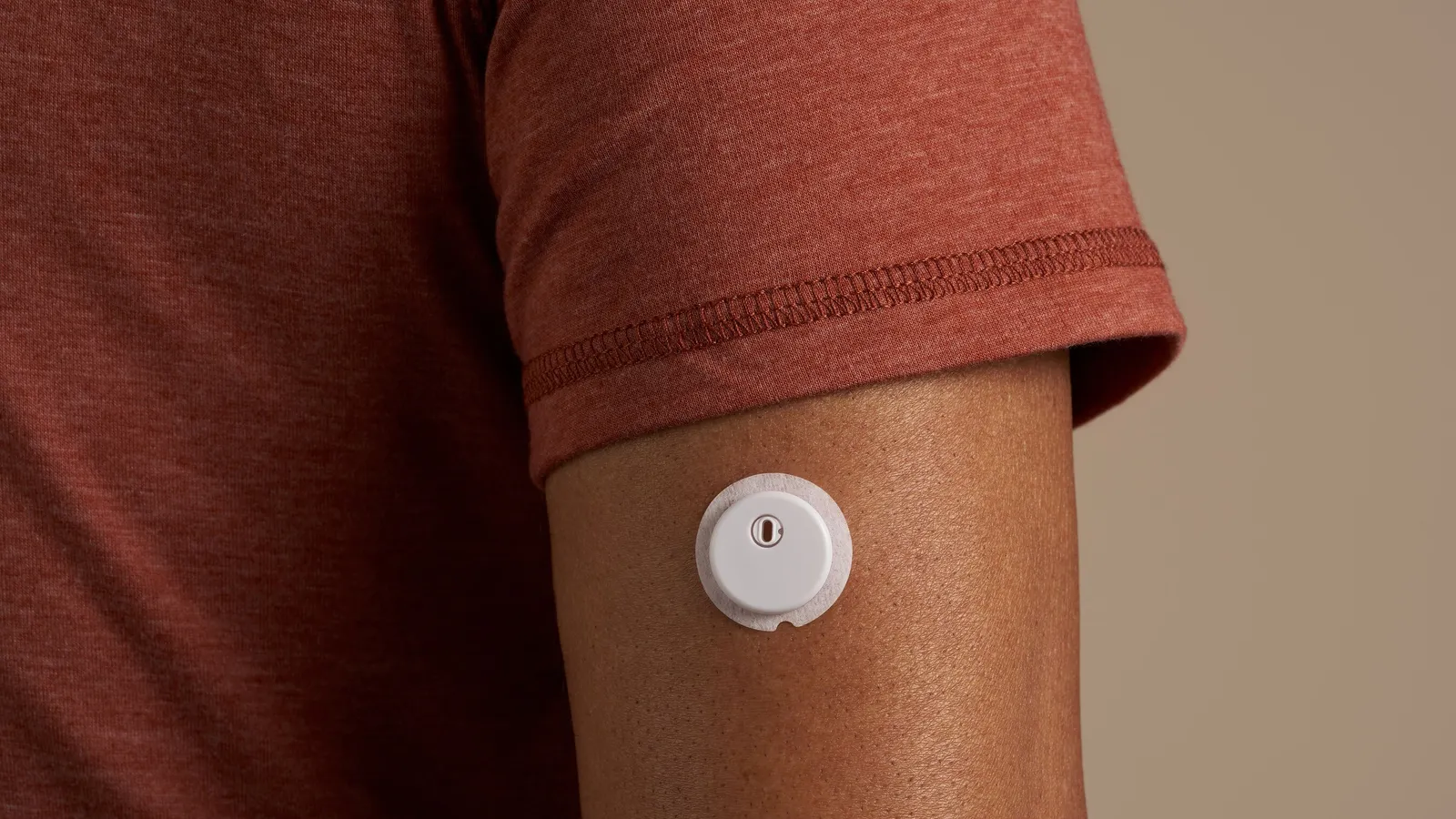
In a milestone development for the field of medical technology, Abbott has secured the CE mark for its Libre Duo sensor, the company’s first dual-analyte wearable designed to monitor both glucose and ketone levels continuously. This regulatory breakthrough in Europe positions Abbott at the vanguard of a new era in biowearable technology, effectively transitioning from single-signal glucose monitoring to comprehensive metabolic oversight. As the medical community digests the implications of this device, the competitive landscape of continuous monitoring is rapidly intensifying, with major industry players vying for dominance in the next frontier of personal health management.
The Core Innovation: Moving Beyond Glucose
For millions living with diabetes, the daily management of blood sugar has been the primary focus of medical technology. However, glucose levels provide only a partial picture of metabolic health. The Libre Duo represents a significant technical leap, as it provides real-time, continuous data on ketones—a crucial metabolic indicator.
Traditionally, checking for ketones has been an episodic, invasive, and often inconvenient process involving blood or urine tests. These tests are typically reserved for "sick days" or when a patient experiences symptoms of hyperglycemia, such as nausea, vomiting, or fatigue. By integrating ketone monitoring directly into a continuous glucose monitor (CGM), Abbott’s Libre Duo enables the early detection of diabetic ketoacidosis (DKA), a life-threatening complication that occurs when the body lacks enough insulin to process glucose and begins breaking down fat for energy at a dangerously high rate.
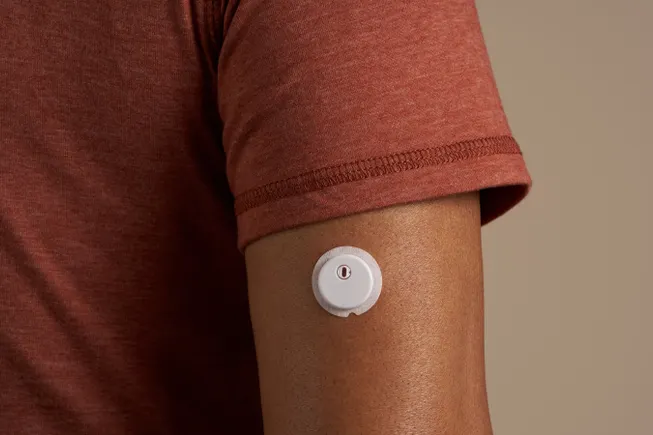
The device itself, a compact, discreet wearable, simplifies a process that once required active intervention from the patient. By automating the monitoring of ketones, the Libre Duo transforms a reactive safety measure into a proactive health management tool.
Chronology: From Vision to Market Reality
The journey toward the Libre Duo began in earnest during the 2022 Consumer Electronics Show (CES). It was there that Abbott CEO Robert Ford first unveiled the company’s vision for the future of biowearables. Ford articulated a roadmap where sensors would evolve to track multiple biological signals, explicitly mentioning glucose, ketones, and lactate as the target metrics for the next generation of Abbott devices.
- January 2022: Abbott announces its "Future of Biowearables" strategy at CES, outlining the ambition to expand beyond glucose monitoring.
- 2023-2025: Extensive research, development, and clinical validation phases are conducted to ensure the accuracy of dual-analyte sensing in a single, small-form factor device.
- April 2026: During the Q1 earnings conference call, CEO Robert Ford confirms that the company is on track for a significant launch, noting that the FDA review process in the United States is well underway, with approval anticipated in the second half of 2026.
- May 27, 2026: Abbott officially announces the receipt of the CE mark, authorizing the commercial rollout of the Libre Duo across the European market.
This timeline reflects a disciplined execution of the company’s long-term strategy, demonstrating the resilience of its R&D pipeline even as competitors have ramped up their own development efforts.
Supporting Data: The Clinical Necessity
The impetus for developing the Libre Duo is grounded in stark public health data. According to the Centers for Disease Control and Prevention (CDC), the burden of hyperglycemic crises—which include DKA and hyperosmolar hyperglycemic state (HHS)—remains a significant challenge. In 2021, the number of hospitalizations related to these hyperglycemic crises was more than four times higher than those resulting from hypoglycemia.
These hospitalizations are often preventable. The delay in recognizing DKA symptoms is frequently attributed to their similarity to common ailments like the flu or food poisoning. By the time a patient realizes their symptoms are related to metabolic instability, they are often in need of urgent clinical care.
Furthermore, the clinical guidelines regarding ketone monitoring have been evolving. Organizations like Breakthrough T1D (formerly JDRF) have been instrumental in establishing international consensus guidance for continuous ketone monitoring. This advocacy has underscored the necessity for technology that moves beyond "spot-checks," providing the medical community with the clinical evidence required to support the adoption of dual-analyte sensors.
Strategic Implications and Ecosystem Integration
The Libre Duo is not merely a standalone sensor; it is designed as a foundational element of a broader digital health ecosystem. Abbott has confirmed that users will be able to share their glucose and ketone data directly with caregivers and healthcare providers, facilitating a more collaborative approach to chronic disease management.
Perhaps most importantly, Abbott is actively engaged in partnerships with automated insulin delivery (AID) system manufacturers. The goal is to integrate the Libre Duo with insulin pumps, creating a closed-loop system that can adjust insulin delivery not only based on glucose trends but also in response to the metabolic state indicated by ketone levels. This level of integration would be a game-changer, potentially reducing the frequency of severe glycemic events and hospitalizations.

Competitive Dynamics
The market for dual-analyte sensing is becoming increasingly crowded. Dexcom, Abbott’s primary rival in the CGM space, has also signaled its intent to enter this arena. However, the two companies appear to be pursuing slightly different clinical pathways. While Abbott is prioritizing the diabetes-ketone management pipeline, Dexcom has indicated an interest in monitoring glucose and potassium, a combination specifically tailored to support patients with chronic kidney disease.
This divergence suggests that the "dual-analyte" market will likely segment based on specific patient populations and comorbidities. For the patient, this means the future of wearable technology is increasingly personalized, with devices calibrated to the specific metabolic risks of their underlying conditions.
Official Responses and Future Outlook
In the wake of the CE mark announcement, the response from the medical community has been cautiously optimistic. Endocrinologists and diabetes educators have long advocated for tools that provide more context to glucose readings.
"The ability to track ketones in real-time takes the guesswork out of sick-day management," said one industry analyst familiar with the technology. "It’s a transition from managing a number on a screen to managing a metabolic state."
Abbott’s focus remains on the upcoming U.S. regulatory milestone. With the FDA currently reviewing the system, the company is preparing for a wide-scale rollout. CEO Robert Ford’s confidence during the recent investor call suggests that the technology has successfully met the rigorous standards required by both European and American regulatory bodies.
As the Libre Duo hits the European market, the data collected will be invaluable. Real-world evidence regarding user adherence, the impact on hospitalization rates, and the integration of data into clinical workflows will likely shape the next generation of biowearables.

Conclusion: A New Standard for Metabolic Health
The introduction of the Libre Duo by Abbott represents more than just a new product launch; it is a fundamental shift in how we approach the monitoring of chronic metabolic conditions. By making ketone monitoring as effortless as glucose monitoring, Abbott is addressing a critical blind spot in current diabetes care.
As the industry watches for the outcome of the FDA review and the subsequent adoption rates in Europe, one thing is clear: the era of the single-analyte monitor is drawing to a close. The future belongs to integrated, multi-analyte systems that provide a holistic view of the body’s internal chemistry. For patients, this shift promises not only improved health outcomes but also the peace of mind that comes with knowing their metabolic health is being monitored around the clock, with the precision and reliability that modern technology can provide.
As Abbott moves toward the next phase of its "Future of Biowearables" strategy, the Libre Duo stands as a testament to the power of targeted, patient-centric innovation. Whether through further expansion into lactate sensing or deeper integration with insulin delivery systems, Abbott is clearly positioned to remain at the forefront of this rapidly evolving digital health landscape.