
For many, the transition into their 60s is accompanied by a subtle but persistent shift in body composition. It is a biological reality: as we age, the body naturally experiences a decrease in muscle mass—a process known as sarcopenia—and a shift in metabolic efficiency. However, the narrative that muscle tone is a relic of youth is scientifically inaccurate. With the right approach, the body remains remarkably adaptive well into one’s golden years.
The key to revitalizing your physique after 60 isn’t found in grueling, high-impact gym sessions that demand intense scheduling and heavy equipment. Instead, the most sustainable path to firmer, more capable muscles lies in "frictionless" home training. By integrating targeted resistance exercises into your daily routine, you can restore muscle tone, improve posture, and enhance functional independence.
The Science of Aging and Muscle Maintenance
Muscle tone after 60 is governed by two primary pillars: the synthesis of lean muscle tissue and the management of body fat. As research from the National Center for Biotechnology Information highlights, age-related muscle loss can be significantly mitigated through consistent, progressive resistance training.
It is important to clarify a common misconception: "spot training" or trying to lose fat in one specific area is ineffective. True muscle tone—that feeling of firmness and vitality—comes from a holistic approach. By combining targeted strength work with adequate protein intake and a consistent movement pattern, the body initiates a physiological response that tightens the skin’s appearance and increases muscle density. The goal is to move from "watered-down" exercise to practical, intentional strength training that respects the unique needs of the mature body.
The Strategy: Why Home Workouts Win
Gym classes often come with significant "friction": the stress of commuting, the pressure to keep pace with others, and the rigid structure of class times. Home training eliminates these barriers. When you train at home, you have the autonomy to adjust resistance levels, slow down the tempo to prioritize form, and—most importantly—build a habit that is sustainable rather than sporadic.
The six exercises outlined below utilize simple tools—resistance bands, dumbbells, and body weight—to stimulate the muscles that support posture, mobility, and aesthetic firmness.
1. Standing Band Rows: The Posture Powerhouse
The modern lifestyle, characterized by prolonged sitting and hunching over devices, often leads to a rounded upper back. Standing band rows are designed to reverse this. By providing constant tension, these rows target the lats, rear shoulders, and rhomboids.
- The Mechanism: Unlike machines that allow for momentum, band rows force the user to maintain tension throughout the entire range of motion. A controlled "squeeze" at the peak of the movement is what triggers muscle growth.
- Functional Benefit: Stronger pulling muscles directly translate to daily life—carrying groceries, lifting objects, and maintaining a dignified, upright posture.
- Pro Tip: Focus on driving through your elbows rather than just pulling with your hands. Keep your shoulders locked down, away from your ears, to ensure the upper back, not the traps, is doing the work.
2. Band Pull-Aparts: The Shoulder Stabilizer
If you want to improve your upper body profile, the rear deltoids are the secret. Band pull-aparts are perhaps the most efficient movement for correcting forward-slumped shoulders.
- The Mechanism: This exercise isolates the smaller, often neglected muscles of the upper back. By pulling the band apart until it touches your chest, you engage the rhomboids and rear delts, creating a balanced, broad shoulder appearance.
- The Impact: Better shoulder stability reduces the risk of injury during more strenuous activities, such as pushing movements or lifting objects from overhead shelves.
- Execution: Maintain a slight bend in your elbows and ensure your core remains braced. The movement should be slow and deliberate; avoid the temptation to "snap" the band, as controlled eccentric movement is where the tone is built.
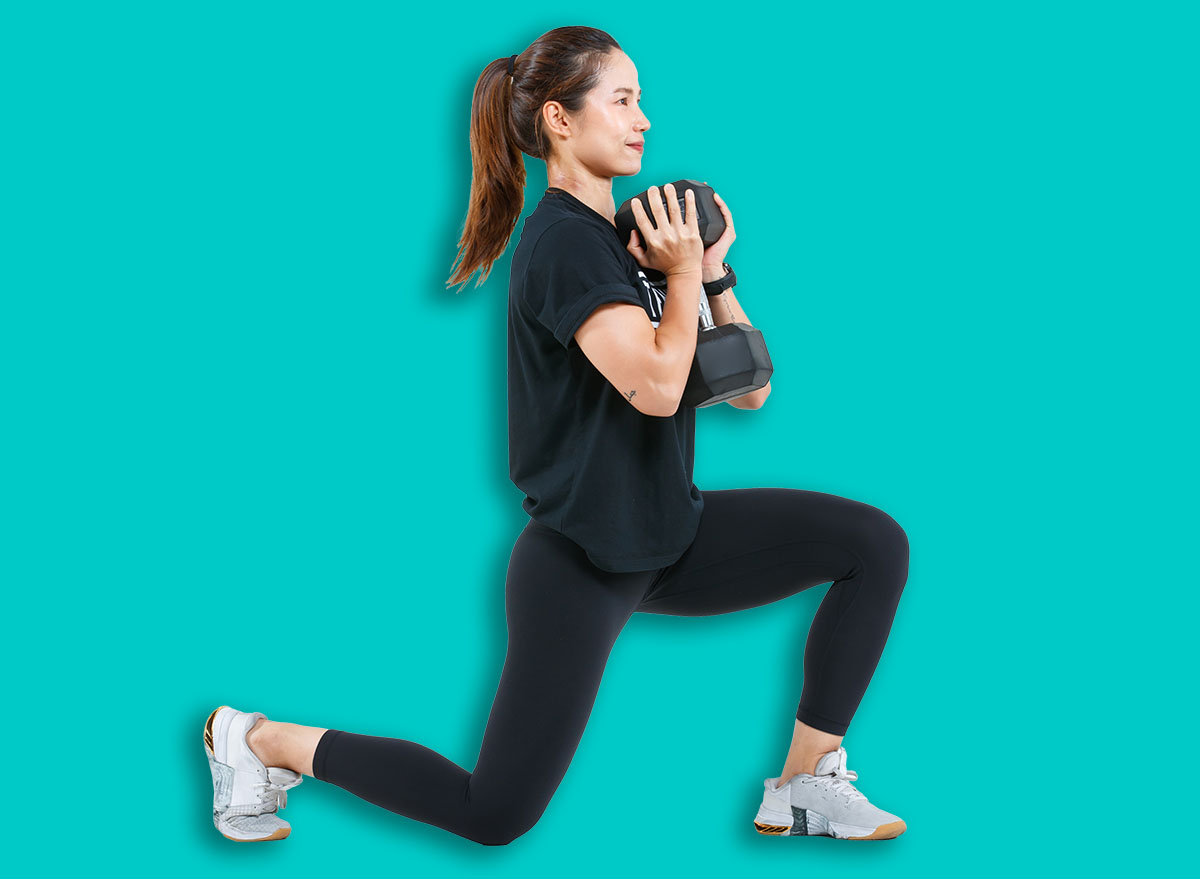
3. Goblet-Hold Lunges: Lower Body Foundation
Lunges are the gold standard for leg strength, but the "goblet hold"—holding a weight at your chest—adds a crucial element: core stabilization.
- The Mechanism: By holding the weight in front of you, your core is forced to engage to prevent you from tipping forward. This dual-activation of the legs and midsection provides a superior metabolic stimulus compared to standard bodyweight lunges.
- Functional Benefit: This move builds the strength required for stairs, rising from low chairs, and general stability.
- Refinement: Drive through the heel of your front foot to maximize glute engagement. If balance is an issue, start by using a wall for light assistance until your stabilizer muscles catch up to your strength.
4. Flutter Kicks: The Deep Core Sculptor
Lower abdominal tone is a common concern for those over 60. Flutter kicks target the deep core and hip flexors, providing a challenge that is both safe for the lower back and highly effective.
- The Mechanism: By keeping the legs in constant, rhythmic motion, the abdominal wall is forced to stabilize the pelvis.
- Form Integrity: The "form tip" here is critical: keep your lower back pressed into the floor. If your back arches, the exercise loses its effectiveness and increases the risk of strain.
- Consistency: Small, controlled kicks are far more effective than wide, fast, and uncontrolled movements. The tension should be felt in the lower belly, not the hip joints.
5. Wall Push-Ups: The Upper Body Toning Essential
Floor push-ups can be daunting and often cause wrist or shoulder pain for those with limited mobility. Wall push-ups provide the same muscle-building stimulus for the chest, triceps, and shoulders but at an angle that is entirely customizable.
- The Mechanism: The wall provides a stable platform, allowing you to focus on the contraction of the chest and triceps.
- Progression: As you gain strength, you can increase the difficulty by stepping your feet further away from the wall, which shifts more of your body weight into your arms.
- Form Note: Keep your elbows at a 45-degree angle from your body. This "arrowhead" position is much safer for the shoulder joints than flared-out elbows.
6. Banded Glute Bridge: The Hip Stabilizer
The glutes are the largest muscle group in the body and the primary drivers of movement. Banded glute bridges force the hip stabilizers to work harder, helping to tone the glutes and hamstrings simultaneously.
- The Mechanism: Placing a resistance band around your knees forces you to push outward, which fires up the gluteus medius—the muscle responsible for hip stability and pelvic alignment.
- The Result: A stronger posterior chain improves your gait and reduces lower back pain by taking the pressure off the lumbar spine.
- Execution: Pause for two seconds at the top of the movement and squeeze your glutes. This "peak contraction" is essential for building muscle tone.
Implications for Longevity
The implications of this home-based approach extend far beyond aesthetics. When we talk about "restoring tone" after 60, we are effectively talking about functional longevity.
- Metabolic Health: Increased muscle mass acts as a metabolic engine. More muscle means a higher resting metabolic rate, which helps keep body fat percentages in a healthy range.
- Bone Density: Resistance training is one of the few ways to actively combat bone density loss. The mechanical tension applied to the bones during these movements signals the body to strengthen the skeletal structure.
- Mental Confidence: There is a profound psychological benefit to feeling physically capable. Being able to perform daily tasks with ease—carrying groceries, gardening, playing with grandchildren—fosters a sense of independence that is vital for mental well-being in the later stages of life.
A Note on Consistency and Nutrition
No training program operates in a vacuum. To see the results of these six moves, two additional factors must be addressed:
- Protein Intake: Muscle protein synthesis slows down as we age. It is vital to prioritize high-quality protein (lean meats, fish, legumes, or Greek yogurt) in every meal to provide the amino acids necessary for muscle repair.
- The "Slow-Motion" Rule: The most common mistake in home training is rushing. To trigger a physiological change, you must provide enough time under tension. If a set takes you 10 seconds, you are moving too fast. If it takes you 40 to 60 seconds, you are doing the work required to build muscle.
Conclusion: The Path Forward
The journey to reclaiming your body’s potential after 60 is not about transforming into a fitness model; it is about building a body that supports the life you want to live. By stripping away the complexities of the modern fitness industry and focusing on these six foundational movements, you create a routine that is not just a "workout," but a sustainable habit.
Keep your resistance bands in a place where you will see them daily. Make the commitment to slow down, focus on your form, and prioritize your muscle health. Your body is ready to respond—it only requires the right, consistent stimulus to begin the process of renewal.