










The sun set hours ago, leaving the city in darkness, yet in a sterile, climate-controlled room tucked away in a university wing, the world is still very much awake. The only illumination comes from the cool, clinical glow of a workstation and the flicker of a computer monitor displaying complex streams of genetic sequencing data. A timer dings—a rhythmic, insistent sound that punctuates the silence. A researcher, weary but focused, pulls on a pair of nitrile gloves and meticulously prepares the next sample. The timer is reset. The cycle begins again.
This is the reality of cancer research. It is a world far removed from the polished press releases, the celebratory headlines, and the triumphant announcements of “miracle” breakthroughs. It is a world of quiet, relentless dedication—the unglamorous, iterative labor that serves as the bedrock for every life-saving therapy that eventually reaches a patient.
The Anatomy of Discovery: The Science of Iteration
To the public, medical progress often appears as a series of sudden leaps—a "eureka" moment where a cure is found. In truth, science is a slow, steady, and often grueling accumulation of data. The experiment described above is rarely a singular event; it is a single data point in a project that may require thousands of repetitions to validate.
Think of scientific research as an exacting culinary pursuit. A chef writes down a recipe with precise measurements, but when they recreate the dish, the flavor profile shifts. Why? Perhaps the humidity changed the texture of the flour, or the oven’s heating element behaved differently due to an ambient temperature shift. In a kitchen, a "failed" dish is a minor inconvenience. In a laboratory, a failed experiment—or even one with slightly inconsistent results—is a critical puzzle.
Scientists must act as detectives, isolating every variable: the chemical purity of a reagent, the calibration of a centrifuge, the precise timing of a protein incubation. They adjust, they rethink, and they try again. This "slow churn" is where progress is actually forged. Each failure is not a setback; it is a piece of intelligence, a necessary clue that narrows the field of possibility.
The Human Element: Resilience at the Bench
During National Cancer Research Month, the Cancer Research Institute (CRI) aims to pull back the curtain on this unseen labor. The work is physically taxing and emotionally demanding. Months can pass with inconclusive data, and weeks of intense focus can lead to a dead end.
Yet, the scientists return. They possess a unique brand of professional stubbornness, driven by the knowledge that every failure is simply a step closer to the unknown. As these small, incremental steps aggregate, a signal begins to emerge from the noise. A hypothesis, once fragile and theoretical, begins to hold weight. It is only when the data is reproducible, consistent, and beyond reproach that it can move forward.
However, even then, the journey has only just begun. The finding must undergo the gauntlet of peer review, where it is scrutinized, challenged, and tested by other labs under different conditions. Only once it survives this rigorous vetting process can it begin the transition from a laboratory bench to preclinical trials and, finally, to the clinic.

Official Perspectives: The Funding Crisis
The engine that powers this monumental effort is research funding. Without consistent, long-term financial support, the "space" for discovery—the ability to ask difficult, unconventional questions—vanishes.
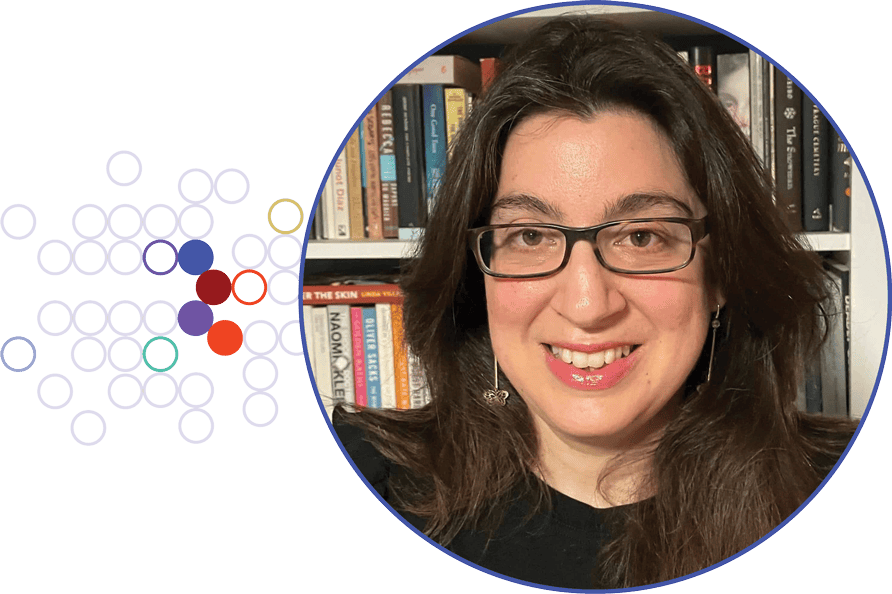
"Funding cuts are disproportionately impacting young investigators and researchers," notes Dr. Alicia Zhou, CEO of the Cancer Research Institute. "These are individuals who are just beginning their careers, standing at the precipice of what could be a lifetime of scientific contribution. If we don’t protect this next generation, we risk losing the very people who will drive the discoveries of tomorrow."
The concern is echoed by experts across the field. The translation of laboratory success into clinical outcome is not guaranteed; it requires a specialized infrastructure that is increasingly fragile.
"There is a massive need for the support of translational research," explains Dr. Valsamo (Elsa) Anagnostou, a CRI CLIP investigator. "We must ensure that the bridge between the discovery in the lab and the intervention that changes a patient’s life is reinforced. We are talking about taking abstract science and turning it into tangible, life-saving clinical outcomes."
Chronology of a Breakthrough: From Concept to Clinic
The path from a hypothesis to a patient is measured in years, often decades. The chronology of a medical breakthrough generally follows a rigorous, non-linear path:
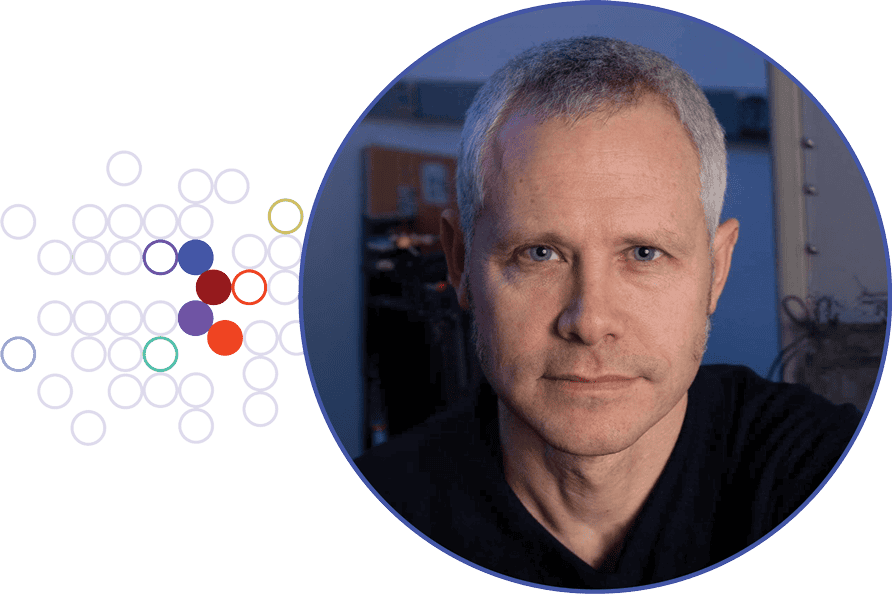
- Fundamental Discovery (Years 1–5): Identifying a biological mechanism, such as a gene mutation or an immune cell function. This is the stage of "stumbling across" knowledge. As Dr. Kenneth Murphy, winner of the 2026 AACR-CRI Lloyd J. Old Award, notes: "The truth is, we stumbled across that gene for the wrong reasons, and it was a disaster, and we finally figured out what was missing."
- Preclinical Validation (Years 3–8): Testing the discovery in controlled models to ensure the findings are consistent and safe.
- Translational Development (Years 5–10): Engineering the discovery into a viable drug or therapy.
- Clinical Trials (Years 7–15+): Rigorous human testing across multiple phases to ensure safety and efficacy.
- Regulatory Approval and Implementation: The final stage where the therapy becomes a standard of care.
This timeline highlights the critical nature of the work being done in the "quiet hours" of the lab. Every stage of this process relies on the persistence of scientists who refuse to quit when the answers aren’t obvious.
The Stakes: Why the "Quiet Work" Matters
The implications of this research are not merely academic—they are existential. The work done in the dead of night by a scientist in a lab is the direct precursor to every improved outcome for cancer patients worldwide.
Dr. E. John Wherry, Associate Director of the CRI’s Scientific Advisory Council, emphasizes the fragility of this ecosystem: "If we don’t protect this next generation of researchers, we risk losing the very people who will drive the discoveries of tomorrow. The progress we see today is the result of seeds planted by the researchers of yesterday. We must ensure we are planting for the future."
The stakes are best summarized by those who have benefited from this persistence. Sharon Belvin, a survivor of Stage 4 melanoma, stands as a testament to the cumulative nature of this work. "My life, and the lives of so many others, are living proof that this work actually matters," she says. Her survival is the endpoint of a chain that began with a single, repetitive experiment conducted by a scientist who, perhaps years prior, kept the lights on long after the sun went down.
Implications and Future Outlook
The current landscape of cancer research is at a crossroads. While technology—such as AI-driven drug discovery and advanced immunotherapy—is accelerating the pace of analysis, the core requirement remains unchanged: the human need for time, resources, and the freedom to pursue the unknown.
The "slow churn" of science is not a flaw in the system; it is the system. It is the filter that ensures that only the most robust, well-vetted, and reliable treatments reach the public. As we look toward the future, the challenge lies in sustaining this ecosystem. We must advocate for funding models that prioritize long-term, high-risk, high-reward inquiry rather than short-term gains.
Tonight, in thousands of labs around the world, the lights are on. A timer is dinging. A scientist is adjusting a variable, recording a data point, and preparing to repeat an experiment. They are the architects of the next breakthrough, working in the shadows so that others may live in the light.
To learn more about the critical work being conducted by these researchers and how you can support the future of oncology, visit the Cancer Research Institute’s official portal for funded research. The next great breakthrough is currently being incubated in the silence of a lab—let us ensure it has the support it needs to thrive.