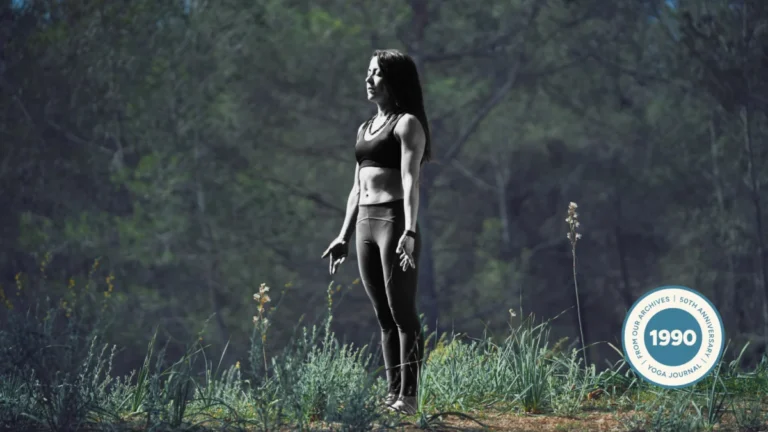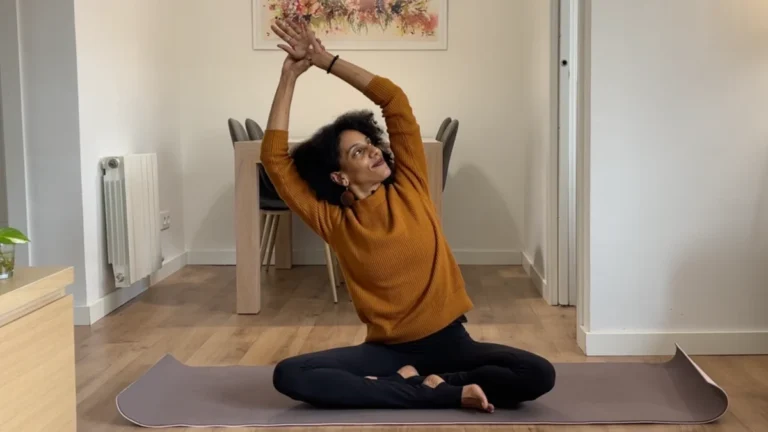
In the modern era, the practice of yoga is frequently confined to the sanctuary of the studio. For many, the mental image of a yoga session involves dim lighting, ambient music, and a premium rubber mat. However, as the boundaries between structured exercise and organic movement continue to blur, a growing movement of practitioners is challenging the notion that yoga must be confined to a designated space.
If you have ever felt the urge to transition into a Downward-Facing Dog while standing in a cramped grocery store aisle, you are not alone. The "lure of the out-of-place pose" is a burgeoning phenomenon among wellness enthusiasts who view the world as their practice space. By integrating subtle, functional standing poses into the mundane architecture of daily life—waiting for public transit, standing in a checkout line, or pacing during a conference call—practitioners are discovering that the true essence of yoga lies in presence, not proximity to a studio.
The Science of Habitual Movement: Why "Yoga in the Wild" Works
The shift toward incorporating yoga into everyday life is not merely a lifestyle trend; it is supported by behavioral psychology. Research consistently demonstrates that the primary obstacle to a sustainable fitness routine is the "friction" required to initiate the practice. When yoga is treated as a separate, scheduled event, it becomes easier to skip when life gets busy.
Conversely, "habit stacking"—the practice of anchoring a new habit to an existing one—increases the likelihood of long-term adherence. By turning the act of standing in line at the bank into an opportunity for Mountain Pose, you are removing the barriers to entry. According to a 2026 study published in the Journal of Personality and Social Psychology, individuals who exhibit high levels of behavioral flexibility and who incorporate movement into their daily environment report higher levels of self-efficacy and lower baseline stress markers.

When you commit to these small, frequent physical interventions, you aren’t just stretching; you are training your nervous system to seek calm and alignment in the midst of chaos. This is the bridge between the "yogi life" you aspire to and the reality of a busy schedule.
A Chronology of the "Urban Yogi" Movement
The rise of public, discreet yoga can be traced back to the post-2020 wellness boom. As remote work became the norm, the distinction between "office space" and "living space" dissolved, leading people to seek ways to counteract sedentary habits.
- 2021-2022: The emergence of "micro-dosing" movement. Influencers and physical therapists began promoting two-minute movement snacks to combat the physical toll of prolonged sitting.
- 2023-2024: The normalization of public stretching. Following a surge in global mindfulness awareness, simple stretches in public spaces—previously viewed as eccentric—began to be seen as markers of health-conscious, intentional living.
- 2025-2026: The current era, where "Yoga in the Wild" has become a recognized, low-impact strategy for stress management, bolstered by wearable tech that tracks HRV (Heart Rate Variability) and encourages users to find "movement windows" throughout the day.
Supporting Data: The Impact of Micro-Movements
The benefits of these poses are not merely psychological; they are profoundly physiological. Our bodies were not designed for the static posture of standing in lines or sitting in traffic.
Musculoskeletal Alignment
When we stand for long periods, we often collapse into our hips or slump our shoulders, leading to chronic tension. By engaging in "Mountain Pose" (Tadasana) while waiting for coffee, you activate the core stabilizers and lengthen the spine, mitigating the "tech-hunch" that plagues the modern professional.
Breath and Nervous System Regulation
The practice of yoga is inextricably linked to the breath. In the middle of a stressful day—perhaps during a frustrating commute—taking three intentional, deep breaths while in an "Upward Salute" (Urdhva Hastasana) can trigger the parasympathetic nervous system. This "rest and digest" state lowers cortisol levels, effectively resetting your mood before you reach your destination.
5 Standing Yoga Poses for Your Daily Routine
To practice yoga in the wild, one must master the art of discretion. These five poses are designed to be effective, safe, and entirely unobtrusive.
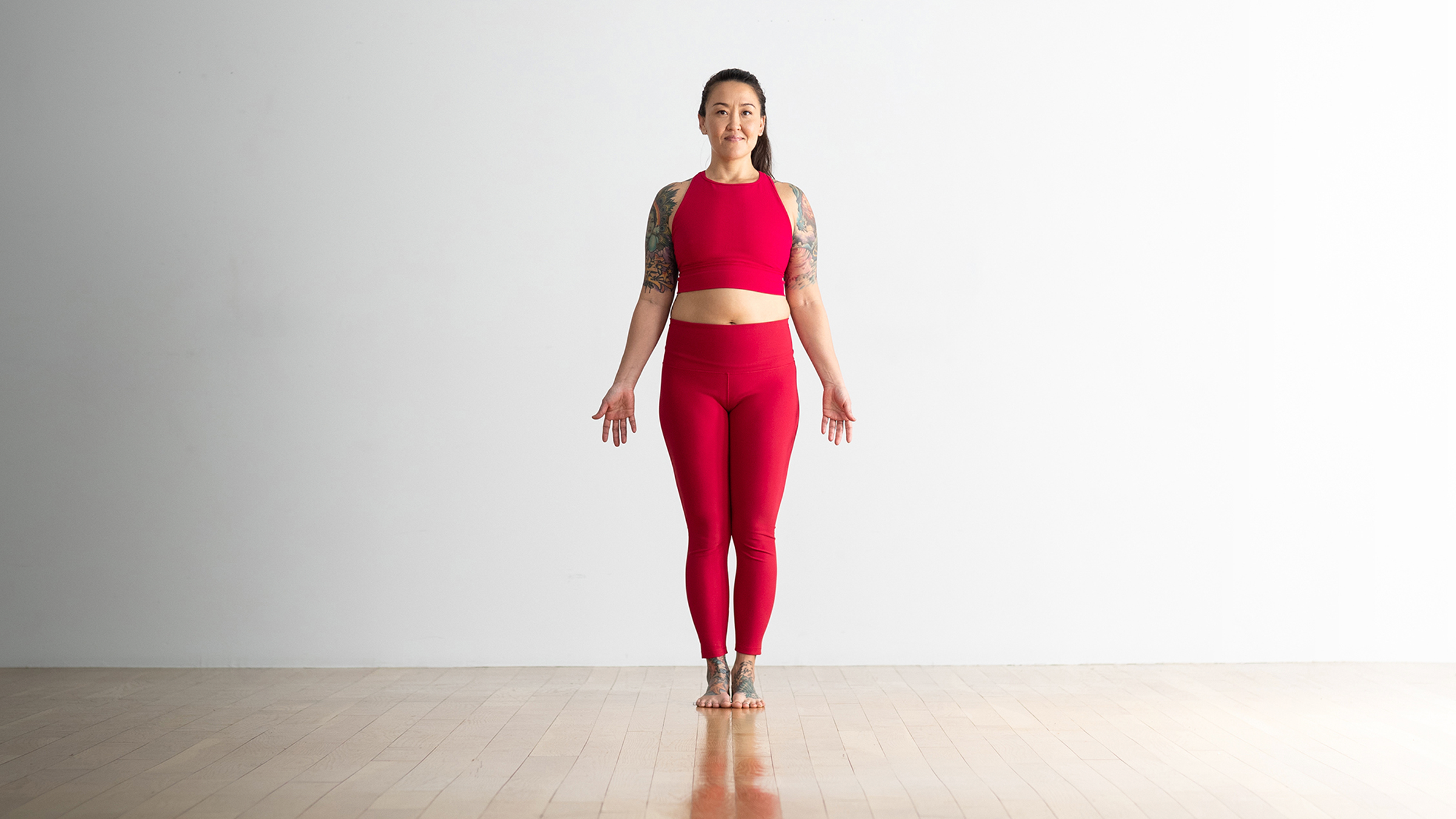
1. Mountain Pose (Tadasana): The Cornerstone
Mountain Pose is the foundation of all standing postures. It is less about "doing" and more about "being."
- The Execution: Distribute your weight evenly across both feet. Engage your quadriceps slightly, lengthen your tailbone toward the floor, and pull your shoulder blades down your back.
- The Context: Any time you are waiting—for the bus, a train, or a friend—this is your go-to. It is the ultimate exercise in postural correction.
2. Tree Pose (Vrksasana): The Subtle Balance
Tree Pose challenges your proprioception and stability. In public, you needn’t bring your foot to your inner thigh; placing the sole of your foot against the opposite ankle, with the toes resting on the ground like a "kickstand," is perfectly effective.
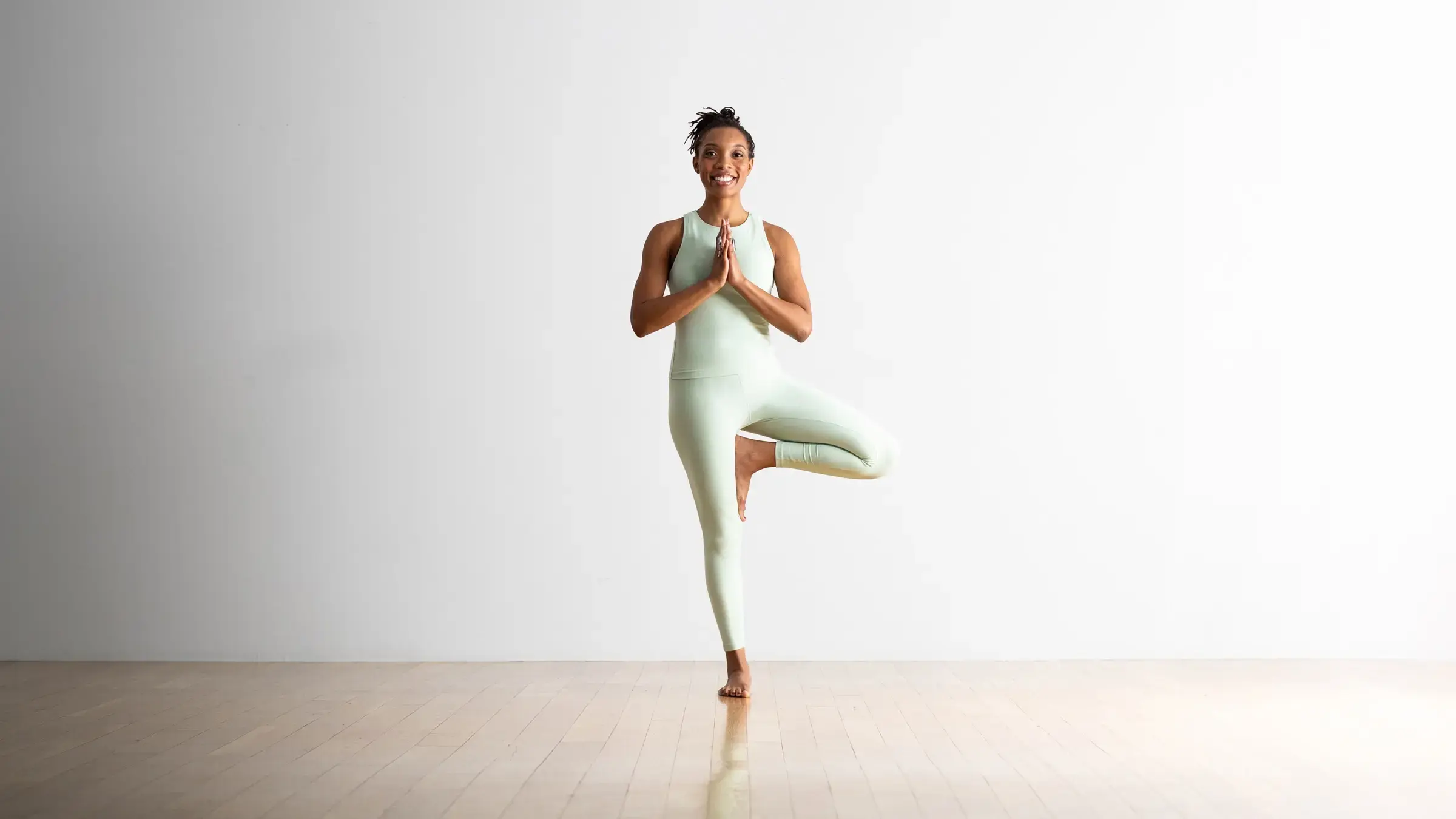
- The Execution: Shift your weight to one leg, find a focal point, and stabilize.
- The Context: Ideal for home office standing desks or while waiting for the kettle to boil. It builds core strength and improves focus.
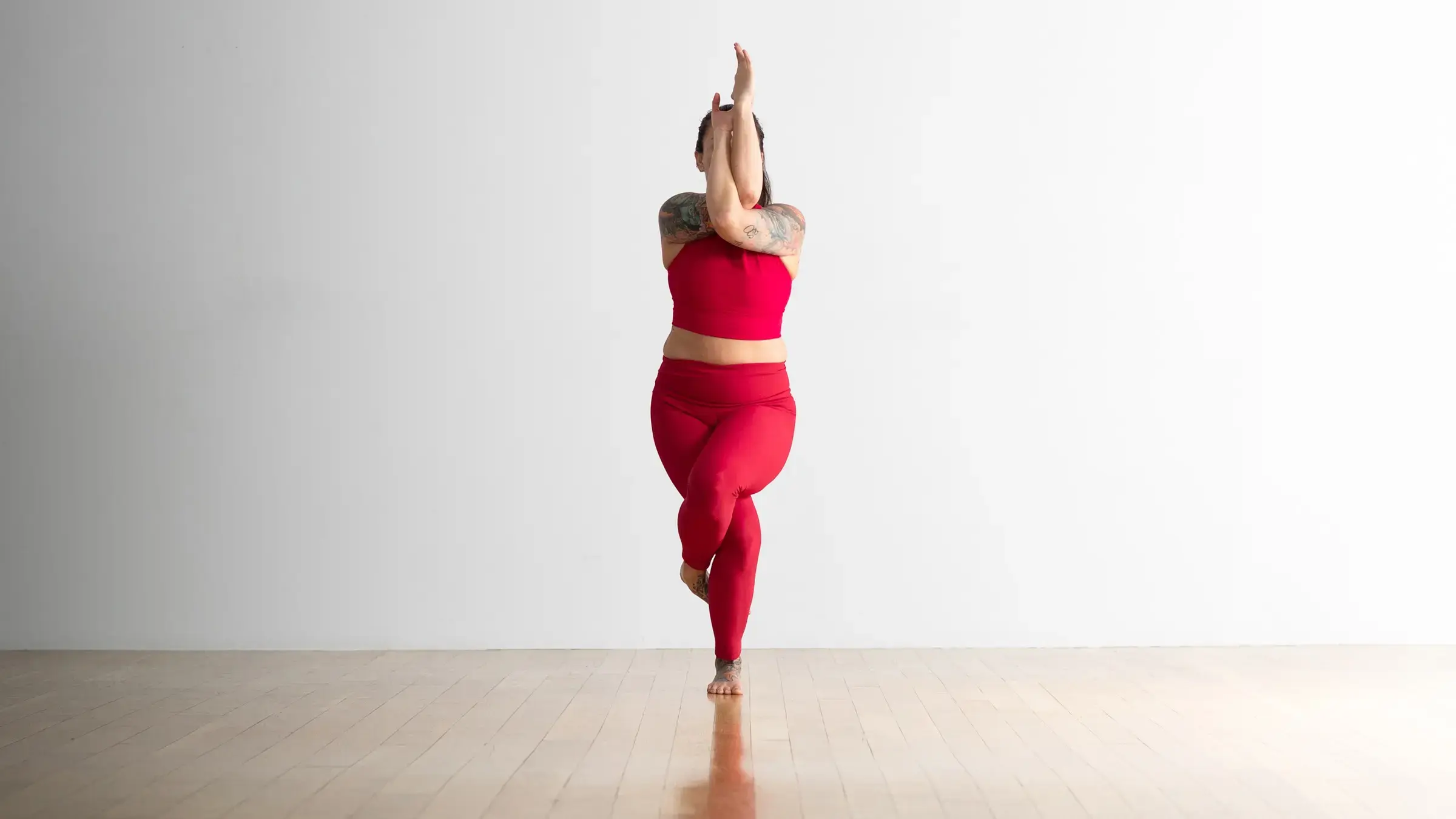
3. Eagle Arms (Garudasana Arms): The Tech-Hunch Combatant
The full Eagle Pose, with legs entwined, can be difficult in a public setting. However, the arms alone offer profound relief for upper-back tightness.
- The Execution: Cross your arms in front of your chest, hooking the elbows and attempting to bring your palms to touch. Lift your elbows to shoulder height.
- The Context: This is an excellent, low-key stretch for public transport. It targets the rhomboids and traps, areas that often tighten up during long days of screen time.
4. Standing Forward Bend (Uttanasana): The Full-Body Release
While you may not want to do this in the middle of a crowded boardroom, it is a perfectly acceptable move in parks, hiking trails, or waiting areas.
- The Execution: Hinge at your hips, keeping a soft bend in your knees to protect your lower back. Let your torso drape over your legs.
- The Context: This pose is a decompression move. It is particularly useful after a long flight or a drive, allowing the spine to decompress and blood to flow to the head, which can provide a natural mental energy boost.
5. Upward Salute (Urdhva Hastasana): The Energy Catalyst
Often seen as a simple stretch, the Upward Salute is a powerful way to invite energy into the body.
- The Execution: Stand in Mountain Pose, then reach your arms overhead, palms facing each other. Keep your shoulders down away from your ears.
- The Context: This is the most "socially acceptable" pose. Because it mimics a natural stretch, observers will simply assume you are feeling energized or enjoying the day. It is an excellent way to break up a period of lethargy.
Implications: Changing the Culture of Health
The broader implication of this "Yoga in the Wild" approach is a fundamental shift in how we define health. For too long, exercise has been viewed as a task to be completed—a box to check. By integrating these movements into our environment, we move toward a model of "integrated wellness."
When we normalize yoga in public spaces, we break down the elitism that often surrounds the practice. Yoga becomes a tool for the masses, accessible to anyone with a few spare inches of floor space and a desire to be more present.
Official Perspectives: A Note of Caution
While these poses are safe for the general population, physical therapists and yoga instructors emphasize the importance of mindfulness. "The goal of practicing in the wild is not to show off or to push your limits," says movement expert Dr. Elena Vance. "The goal is to maintain the connection between mind and body. If you are rushing through a pose just to say you did it, you lose the benefits. The ‘wild’ practice should be slow, intentional, and respectful of your surroundings."
Furthermore, beginners should avoid attempting poses that require intense balance or deep stretching in high-traffic or hazardous areas, such as busy intersections or slippery surfaces. Safety, as always, is the primary requirement of any movement practice.
Conclusion
The path to a more consistent yoga practice does not necessarily lead to a studio. It leads to the grocery store, the bus stop, and your own living room. By embracing these five standing poses, you can transform the mundane moments of your day into a continuous, flowing practice of mindfulness. In doing so, you prove that yoga is not something you do for an hour a day; it is a way of inhabiting the world. As you stand in your next line, take a breath, ground your feet, and find your Mountain. The world is your studio—begin wherever you are.