









Executive Summary: A New Frontier in Transplantation
In a landmark achievement for regional medicine, UC San Diego Health has successfully performed the first lung transplant on a patient living with Human Immunodeficiency Virus (HIV) in San Diego County. This surgical milestone marks a significant shift in the landscape of thoracic surgery, signaling that patients previously considered ineligible for life-saving organ transplants due to chronic infectious diseases are now viable candidates.
The procedure, conducted at the Center for Transplantation at UC San Diego Health, represents years of evolving clinical protocols, multidisciplinary collaboration, and a commitment to health equity. By successfully navigating the complexities of immunosuppression and viral management, the medical team has effectively expanded the boundaries of who can receive critical care, setting a new precedent for academic medical centers across the United States.
The Chronology of Care: From Screening to Recovery
The journey to this historic surgery began long before the patient entered the operating theater. Performing a lung transplant on a patient with HIV requires a highly granular, multi-stage clinical approach that spans months of preparation.
1. The Pre-Transplant Evaluation
Candidates for organ transplantation who are living with HIV must meet rigorous clinical criteria. The primary objective is to ensure that the patient’s viral load is undetectable and their CD4 count—the indicator of immune system health—is stable. This stage involves an intensive screening process to ensure the patient’s overall organ function is robust enough to withstand both the trauma of major thoracic surgery and the lifelong regimen of immunosuppressive drugs that follows.
2. Multidisciplinary Coordination
The surgery was the result of a concerted effort by a specialized team, including transplant surgeons, pulmonologists, infectious disease experts, and clinical pharmacists. This group worked in tandem to synchronize antiretroviral therapy (ART) with the complex immunosuppressive medications required to prevent organ rejection. The coordination was critical: the drugs used to suppress the immune system to prevent lung rejection can potentially interfere with HIV medications, necessitating a bespoke pharmacological strategy.
3. The Surgical Intervention
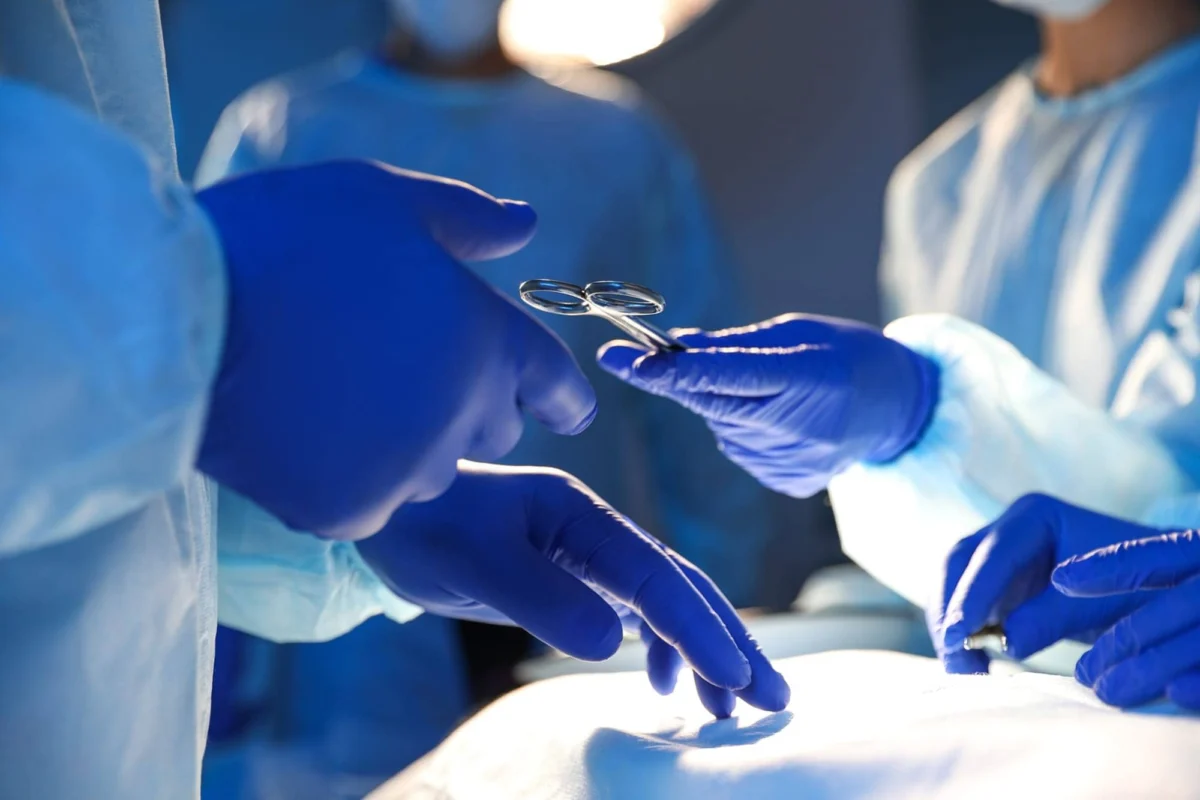
Led by Dr. Eugene Golts, the surgical director of the lung transplant program, the procedure was performed with precision to minimize complications. Following the surgery, the patient entered a phase of continuous, high-intensity monitoring. Dr. Saima Aslam, the medical director of the solid organ transplant infectious disease program, played a vital role in managing the patient’s postoperative immune response, ensuring that the HIV remained fully suppressed while the body accepted the new lung tissue.
Supporting Data: Why This Achievement Matters
The success of this procedure is not merely a clinical curiosity; it is a vital development in the context of transplantation demographics.
Expanding the Donor and Recipient Pool
Historically, an HIV-positive diagnosis was an absolute contraindication for organ transplantation. However, advances in modern medicine—specifically the efficacy of highly active antiretroviral therapy (HAART)—have allowed people living with HIV to live longer, healthier lives. As the patient population ages, the prevalence of end-stage lung disease in this group has increased, creating a demand for equitable access to transplant programs.
The Role of Academic Centers
UC San Diego Health serves as the only academic medical center in the region, a designation that provides the infrastructure necessary to handle high-acuity cases. The program performs approximately 50 lung transplants annually, placing it among the most active in the nation. This high volume of cases provides the surgical team with the necessary expertise to handle “high-risk” populations, including those with:
- Hepatitis C: The center has established protocols to manage patients with chronic liver infections.
- Multidrug-Resistant (MDR) Bacterial Infections: Through the use of innovative treatments like bacteriophage therapy—which uses viruses to target and destroy bacteria—the center manages infections that are otherwise untreatable with standard antibiotics.
The Technical Infrastructure
The success at UC San Diego Health is underpinned by its investment in advanced therapies. By integrating infectious disease research directly into the surgical transplant program, the center ensures that patients with complex immunological profiles receive care that is not available at community hospitals.
Official Responses and Clinical Philosophy
The medical leadership at UC San Diego Health views this achievement as a moral and clinical imperative.
“This achievement reflects a shift of what is possible in lung transplantation in San Diego,” said Dr. Kamyar Afshar, medical director of the lung transplant program. “Our goal is to safely expand access and availability to lung transplantation for patients who historically may not have qualified, while maintaining the highest standards of outcomes.”
The philosophy driving the team is rooted in the idea of "equitable access." For years, the medical community operated under conservative guidelines that excluded certain patient groups based on generalized risk profiles. Dr. Afshar’s comments suggest a movement toward personalized risk assessment—where the focus shifts from a binary "yes or no" based on a patient’s HIV status to an individualized assessment of whether the patient can survive and thrive post-transplant.
Dr. Saima Aslam’s participation underscores the importance of the infectious disease component. By treating HIV not as a barrier, but as a manageable chronic condition, the team has proven that transplant medicine can evolve alongside infectious disease management.
Implications for the Future of Medicine
Redefining Eligibility Criteria
The success of this transplant will likely influence national guidelines for thoracic surgery. As more centers replicate the multidisciplinary model seen at UC San Diego Health, the national criteria for transplant candidacy are expected to become more inclusive. This is a crucial step toward dismantling the stigma surrounding HIV in clinical settings.
The Rise of Precision Transplant Medicine
The use of bacteriophage therapy at UC San Diego Health, combined with the successful management of an HIV-positive transplant recipient, positions the center at the forefront of "precision transplant medicine." This field focuses on tailoring the entire transplant journey—from the pre-operative workup to the long-term immunosuppression strategy—to the unique genetic and immunological profile of the patient.
Regional Health Equity
For residents of San Diego County, this development means that patients no longer need to seek care in distant metropolitan hubs to receive specialized transplant services. By keeping this high-level care local, the center ensures that patients can remain within their support systems—family, friends, and local doctors—which is a critical component of the recovery process after a major organ transplant.
Long-Term Monitoring and Sustainability
The implication for the patient is a lifetime of ongoing viral monitoring. While the transplant was a success, the long-term strategy involves individualized medication strategies to optimize outcomes. This requires a sustainable, long-term relationship between the patient and the transplant team, ensuring that any fluctuations in either HIV viral load or lung function are caught and addressed immediately.
Conclusion: A New Standard of Care
The first lung transplant for an HIV-positive patient in San Diego County is a testament to the progress of medical science. By bridging the gap between infectious disease management and advanced surgical intervention, UC San Diego Health has demonstrated that, with the right expertise and infrastructure, the "impossible" is becoming the "standard."
As the program continues to refine its surgical approaches and advanced therapies, the medical community looks toward this success as a blueprint. It is a reminder that the field of transplantation is not static; it is a dynamic, evolving discipline that must adapt to the needs of a diverse and aging population. Through this milestone, UC San Diego Health has not only saved a life but has also paved the way for a more inclusive future in thoracic medicine.