







21 May, 2026
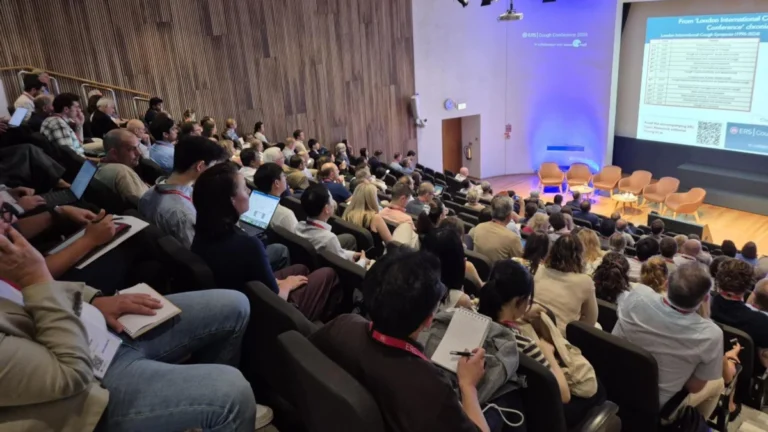
The European Respiratory Society (ERS) has officially unveiled a bold new strategy for its upcoming annual Congress, signaling a decisive shift in how global medical organizations manage the environmental footprint of large-scale professional gatherings. As the scientific community continues to grapple with the existential threat of climate change—a crisis that is inextricably linked to respiratory health—the ERS is taking proactive steps to align its logistical operations with its clinical mission. By offering substantial financial incentives and recognition programs for delegates who choose rail over air travel, the Society is setting a new industry standard for sustainable event management.
Main Facts: Incentivizing a Greener Journey to Barcelona
The ERS Congress, one of the world’s most significant gatherings for respiratory professionals, is placing sustainability at the heart of its 2026 agenda. Recognizing that the carbon footprint of international travel constitutes the single largest environmental impact of such events, the ERS has launched a multifaceted campaign to encourage greener transit options for attendees traveling to Barcelona.
At the center of this initiative is a strategic partnership with Renfe, Spain’s national rail operator. Delegates traveling to the host city, Barcelona, are now eligible for a 15% discount on all AVE high-speed and long-distance rail services. This move is designed to bridge the cost gap that often discourages international travelers from choosing rail, a mode of transport that produces significantly lower greenhouse gas emissions compared to short- and medium-haul aviation.
Beyond the rail discount, the Society has introduced an "Incentive Hub" at the Congress venue. The first 150 delegates who arrive at the ERS Sustainability Stand in the World Village—provided they can offer verified proof of a rail journey exceeding 250 kilometers—will receive a comprehensive "Greener Travel Gift Pack." This pack includes a €75 registration fee reimbursement, a local Barcelona transit pass, a reusable, high-quality ERS water bottle, and the tangible contribution of a tree planted in their name through a partnership with the reforestation initiative, Treedom.
Chronology: The Road to a Sustainable Congress
The shift toward a greener ERS Congress did not happen overnight. It is the culmination of years of internal policy reviews and a growing mandate from the membership base to address the "climate-health nexus."
- 2023–2024: During the planning phases of the post-pandemic congress circuit, the ERS Governing Council began commissioning environmental impact audits. These reports highlighted that nearly 70% of the total carbon emissions associated with the annual congress were derived from delegate travel.
- January 2025: The ERS Sustainability Taskforce was officially formed, tasked with identifying "low-hanging fruit" in the event logistics chain. The taskforce prioritized rail travel as the most viable alternative to flying for European-based delegates.
- November 2025: Negotiations with regional transport authorities in Spain and European rail providers began in earnest. The goal was to secure a scalable discount model that would be easy for delegates to access via the registration portal.
- May 2026 (Current Date): The formal announcement of the Renfe partnership and the launch of the incentive program mark the final rollout phase.
- September 5, 2026: The official launch of the onsite Sustainability Stand at the Congress, where the physical distribution of rewards will commence at 9:00 AM.
Supporting Data: The Case for Rail over Air
The rationale behind the ERS initiative is backed by robust data regarding the environmental impact of transport. According to the European Environment Agency, rail travel emits approximately 14 grams of CO2 per passenger kilometer, whereas short-haul flights can emit upwards of 250 grams per passenger kilometer. For a delegate traveling from Paris to Barcelona, the choice of a high-speed train instead of a flight can reduce their individual carbon footprint by more than 90%.
Furthermore, the ERS is cognizant of the "flight shame" phenomenon, which has seen a marked increase in public interest regarding corporate environmental responsibility. By providing a €75 rebate, the ERS is essentially offsetting the potential price premium of high-speed rail, which is often perceived as more expensive than low-cost air carriers. The inclusion of a tree-planting initiative via Treedom is not merely symbolic; it provides a mechanism for carbon sequestration and allows delegates to monitor the ecological impact of their travel choice through a digital tracking platform, effectively "gamifying" the sustainability experience.
Official Responses: Leadership Perspectives
In a recent press briefing, the ERS leadership emphasized that this initiative is a moral imperative. "As respiratory experts, we witness daily how environmental pollution and climate change directly exacerbate chronic lung diseases," stated a representative from the ERS Executive Committee. "To host a congress that contributes significantly to the very problem we are trying to solve would be a contradiction. We believe that by incentivizing rail travel, we are not just talking about health—we are actively preserving it."
Professional travel partners have also lauded the decision. A spokesperson for Renfe noted, "We are proud to support the ERS in their mission. High-speed rail in Spain is one of the most efficient networks in Europe. By connecting the European medical community via our tracks, we are helping to demonstrate that professional excellence does not have to come at the expense of our planetary health."
The response from the delegate community has been largely positive. Early registration surveys indicate a 22% increase in interest for rail-accessible routes compared to previous years, suggesting that the combination of financial incentives and environmental messaging is effectively shifting behavioral patterns.
Implications for Future International Conferences
The ERS initiative is likely to have significant implications for the wider world of international medical and scientific congresses. For years, the "gold standard" for professional development has been the international, face-to-face conference. However, the travel-heavy nature of these events is now under intense scrutiny.
1. Standardizing Sustainability Metrics
By tracking the number of delegates who opt for rail and quantifying the total carbon saved, the ERS is creating a blueprint for future "Green Reporting." This data will be vital for organizations seeking to achieve net-zero status by 2040.
2. Redefining "Value" for Attendees
The ERS is shifting the definition of conference value. Traditionally, value was measured by the number of sessions, networking opportunities, and educational credits. By adding a "sustainability component" to the registration process, the Society is signaling that professional prestige is now inextricably linked to ethical conduct.
3. The Future of Hybrid Participation
While the ERS is focusing on greener travel for those who attend, this move also highlights the potential for future conferences to adopt "hub and spoke" models, where local clusters of delegates gather in regional rail-accessible hubs to reduce long-haul flight dependency.
4. Long-term Industry Shifts
If the ERS program proves successful in terms of uptake and attendee satisfaction, it is highly probable that other major global societies—such as those in oncology, cardiology, and public health—will adopt similar mandates. We are likely to see an increase in "green travel" clauses within host city contracts, where convention centers are chosen based on their proximity to major rail hubs rather than just hotel capacity.
Conclusion: A Step Toward a Healthier Planet
The 2026 ERS Congress in Barcelona represents a turning point for professional societies. By moving beyond rhetoric and implementing concrete financial and logistical incentives for sustainable travel, the ERS is demonstrating that leadership requires more than just clinical expertise—it requires the courage to change established behaviors.
As delegates prepare to descend upon Barcelona this September, the presence of the Sustainability Stand and the sight of arriving train passengers will serve as a visual testament to a changing industry. The journey to a sustainable future is long, but for the ERS, the path is clear: it starts with the choice of how we travel, and it ends with a healthier world for the patients we serve. For those attending, the opportunity to participate in this shift is not just an incentive—it is a responsibility.
For more information on the ERS Congress, the specific terms of the Renfe discount, or to learn more about the sustainability initiatives being rolled out in Barcelona, visit the official ERS website.