











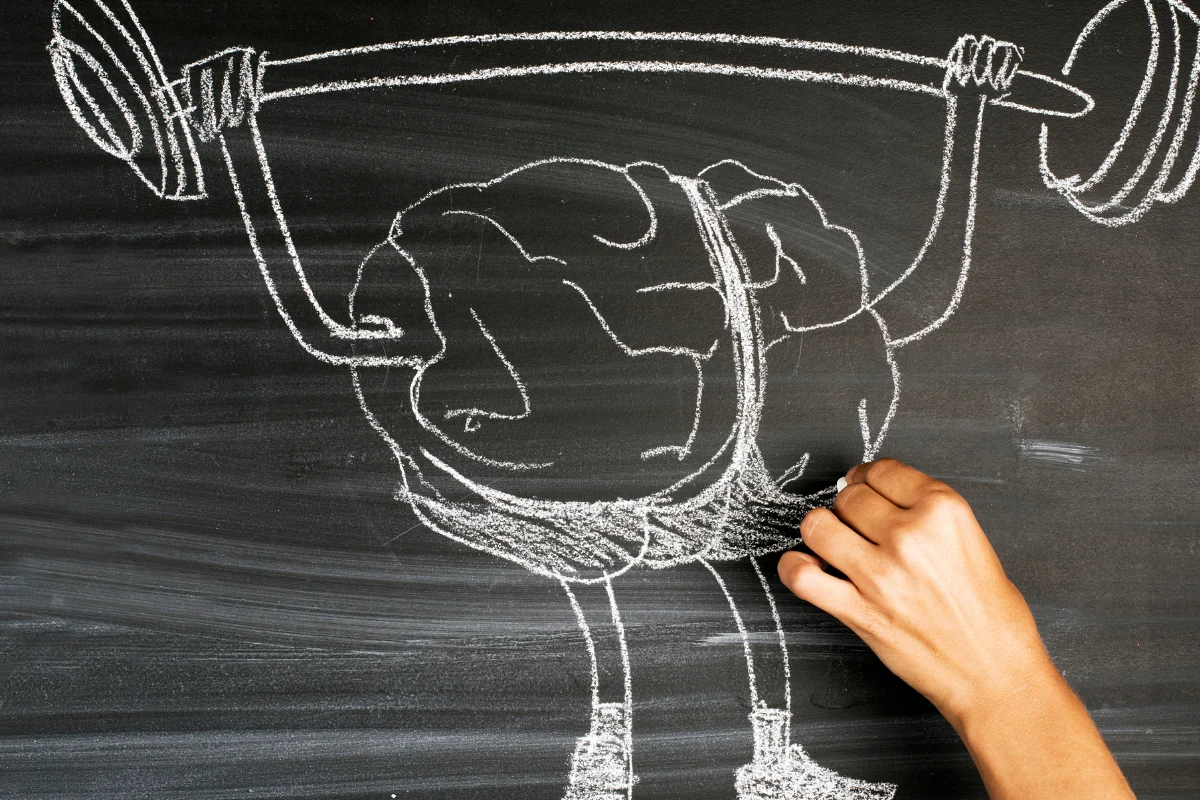
For decades, the medical community has championed physical activity as a cornerstone of metabolic health. We have long understood that regular aerobic and resistance training can act as a potent medicine, effectively managing hypertension, mitigating the risk of type 2 diabetes, and reducing the incidence of cardiovascular disease. However, a seismic shift has occurred in exercise science: the focus has moved from the neck down to the neck up.
Emerging research is now confirming that physical activity is not merely a strategy for body composition or heart health; it is a fundamental requirement for optimal brain function. From the developmental years of childhood to the twilight of the human lifespan, exercise acts as a neuroprotective catalyst, sharpening our cognition, enhancing our resilience, and safeguarding the structural integrity of the most complex organ in the body.
The Cognitive Connection: Defining the Impact
At its core, cognition—the intricate web of thinking, reasoning, remembering, and learning—is profoundly sensitive to our physical state. Scientific investigations led by researchers such as Sibley and Etnier have demonstrated a robust positive correlation between physical activity and cognitive performance in children aged 4 to 18. This is not limited to test scores; the data suggests that active youth exhibit superior perceptual skills, higher intelligence quotients, and improved academic readiness.
Furthermore, the "cognitive reserve" hypothesis, championed by researchers like van Praag, suggests that childhood exercise builds a buffer against age-related degeneration. By promoting enhanced cortical development, exercise fosters a more resilient brain, allowing it to withstand the natural wear and tear of aging with greater efficiency.
A Chronological Perspective: From Childhood to Golden Years
The benefits of movement are not confined to any single life stage. Research indicates a longitudinal trajectory of cognitive health tied to physical activity:
- Childhood and Adolescence: Beyond the classroom, physical activity is a pillar of developmental health. Studies by Field, Diego, and Sanders (2001) revealed that high school seniors who dedicated seven or more hours per week to sports and exercise boasted higher grade point averages, lower rates of substance abuse, and improved interpersonal relationships compared to their sedentary peers.
- Young Adulthood: While the research pool is thinner for this demographic, the consensus among experts is that exercise acts as a preventative maintenance tool. It prepares the brain for the cognitive demands of adulthood, establishing neural pathways that remain functional well into middle age.
- The Aging Population: The most compelling evidence of neuroprotection emerges in studies of the elderly. A landmark study by Yaffe et al. (2001) tracked 5,925 women over the age of 65 for nearly a decade. The findings were stark: those who maintained higher levels of physical activity—specifically through walking and recreational movement—experienced the least cognitive decline.
Supporting Data: The Biological Mechanics of the Mind
Why does movement lead to better thinking? The answer lies in the biological changes occurring beneath the skull. Animal models, which have served as the primary vehicle for this research, have illuminated three primary mechanisms:
1. Neurogenesis
Perhaps the most exciting discovery is that the brain is not a static organ. Van Praag identifies exercise as the most potent "neurogenic stimulus" known to science. It triggers the birth of new nerve cells, particularly in the hippocampus—the brain’s command center for memory and learning. This process of cell proliferation appears to be a lifelong capability, provided the individual remains physically active.
2. Synaptic Plasticity and Neurotransmitters
Exercise does more than build new cells; it enhances the "communication capacity" of the brain. By increasing the production of neurotransmitters—the chemical messengers that bridge the gaps between neurons—exercise facilitates faster and more efficient neural signaling. This includes the surge of endorphins associated with the "runner’s high," as well as other chemicals that improve mood and cognitive clarity.
3. Vascular Adaptations
The brain is a high-energy organ, consuming approximately 20% of the body’s oxygen at rest. Aerobic exercise stimulates the formation of new blood vessels, essentially "upgrading" the brain’s plumbing. Improved circulation ensures a steady supply of nutrients and oxygen, which is essential for warding off the cognitive decline associated with restricted blood flow.
The "Executive Central Command"
Kramer, Erickson, and Colcombe have identified the prefrontal cortex—often referred to as the "executive central command"—as the primary beneficiary of physical training. This region is responsible for the most sophisticated human functions: working memory, multitasking, planning, and navigating ambiguity.
As we age, these specific functions are often the first to falter. However, the data suggests that consistent, varied exercise programs—combining aerobic activity, resistance training, and flexibility—can help maintain the executive command’s efficiency. The combination of these modalities likely triggers a broader range of neural and chemical adaptations than any single type of exercise alone.
Official Responses and Clinical Implications
Despite the overwhelming evidence, the prioritization of physical activity in institutional settings remains inconsistent. Hillman and his colleagues have pointed out a troubling paradox: many schools have reduced or eliminated physical education requirements to prioritize academic performance. Yet, there is no empirical evidence to suggest that replacing movement with extra desk time improves test scores. On the contrary, the data suggests that physical activity is a prerequisite for, rather than a distraction from, academic success.
For the fitness industry, these findings provide a new vocabulary. Professionals are being encouraged to move beyond "weight loss" or "aesthetic" marketing. Instead, the narrative is shifting toward "neuroprotection." By positioning exercise as a way to sharpen the mind and increase one’s ability to process complex information, fitness professionals can tap into a powerful, intrinsic motivator for their clients.
10 Fascinating Facts About the Human Brain
To understand why the brain needs the support of a healthy body, one must appreciate the sheer complexity of the organ itself:
- Massive Networking: The average human brain weighs roughly three pounds and contains approximately 100 billion neurons.
- Vascular Network: If you were to unspool the blood vessels within the brain, they would stretch for 100,000 miles.
- Endless Growth: As long as the brain is challenged through mental and physical activity, it continues to generate new neurons.
- Oxygen Demand: While the brain represents only a fraction of body weight, it consumes 20% of the body’s resting oxygen.
- Stress Vulnerability: Excessive, prolonged stress can physically alter brain cells and degrade the brain’s structural integrity.
- Self-Awareness: The brain is capable of distinguishing between external stimuli and its own movements, which is why you cannot tickle yourself.
- Bio-Electricity: While awake, the brain generates 10–23 watts of power—enough to illuminate a low-wattage LED light bulb.
- Constant Illumination: Every time you blink, the brain compensates to ensure your vision remains steady, keeping the world "illuminated" despite the flicker.
- Thought Volume: The average person experiences approximately 70,000 thoughts every single day.
- Hydration Requirement: Approximately 75% of the brain is composed of water, highlighting the importance of proper hydration for cognitive function.
Conclusion: The Path Forward
We are currently in a state of scientific infancy regarding the perfect "exercise prescription" for brain health. We do not yet know the precise optimal duration, intensity, or frequency required to maximize cognitive gain. However, the message from the current body of research is clear: the brain is not a static, declining asset. It is a dynamic, living system that responds to the environment we create for it.
By integrating cardiovascular health, strength training, and flexibility, we do more than just build a stronger body—we build a more resilient mind. Whether you are a student aiming for better grades or an aging adult seeking to maintain mental sharpness, the path is the same: stay active. Your brain is waiting for the cue to grow, adapt, and perform at its peak. The science is in, and it tells us that a workout is, quite literally, a way to keep your mind as young as you feel.