




As the calendar turns to May, the United States simultaneously observes Older Americans Month and Mental Health Month. This dual recognition provides a critical window to address a burgeoning public health crisis that often hides in the quiet corners of our communities: the pervasive epidemic of loneliness and social isolation among the elderly.
While the modern era is characterized by hyper-connectivity, millions of seniors find themselves increasingly untethered from the social fabric. Experts argue that this disconnection is not merely a psychological struggle but a physiological crisis that demands urgent attention from families, policymakers, and healthcare providers.
Main Facts: A Crisis of Connection
Loneliness is a subjective feeling of being alone, regardless of the amount of social contact, while social isolation is the objective state of having few social relationships or infrequent social contact with others. Both conditions are increasingly recognized as significant determinants of health.
According to data from the National Institute on Aging (NIA), approximately one in four adults aged 65 and older are considered socially isolated. This statistic underscores a reality that transcends socioeconomic boundaries, affecting individuals regardless of their past career achievements, family structures, or residential settings. The crisis is multifaceted; it is driven by physical limitations, the loss of lifelong peers, and a rapidly changing technological landscape that can leave older adults feeling alienated.
Chronology: The Evolution of Isolation
The progression toward social isolation in later life is often subtle, beginning long before a person identifies as "lonely." Understanding this trajectory is essential for early intervention.
- The Early Retirement Phase (Ages 65–70): The primary disruption during this period is the loss of the professional network. For many, work is the primary source of social stimulation. Retirement often leads to a sudden contraction of daily interactions.
- The Physical Transition Phase (Ages 70–80): As mobility begins to decline, the ease of maintaining social circles diminishes. Tasks that were once routine—driving to a club, walking to a neighborhood gathering, or navigating public transit—become daunting or impossible.
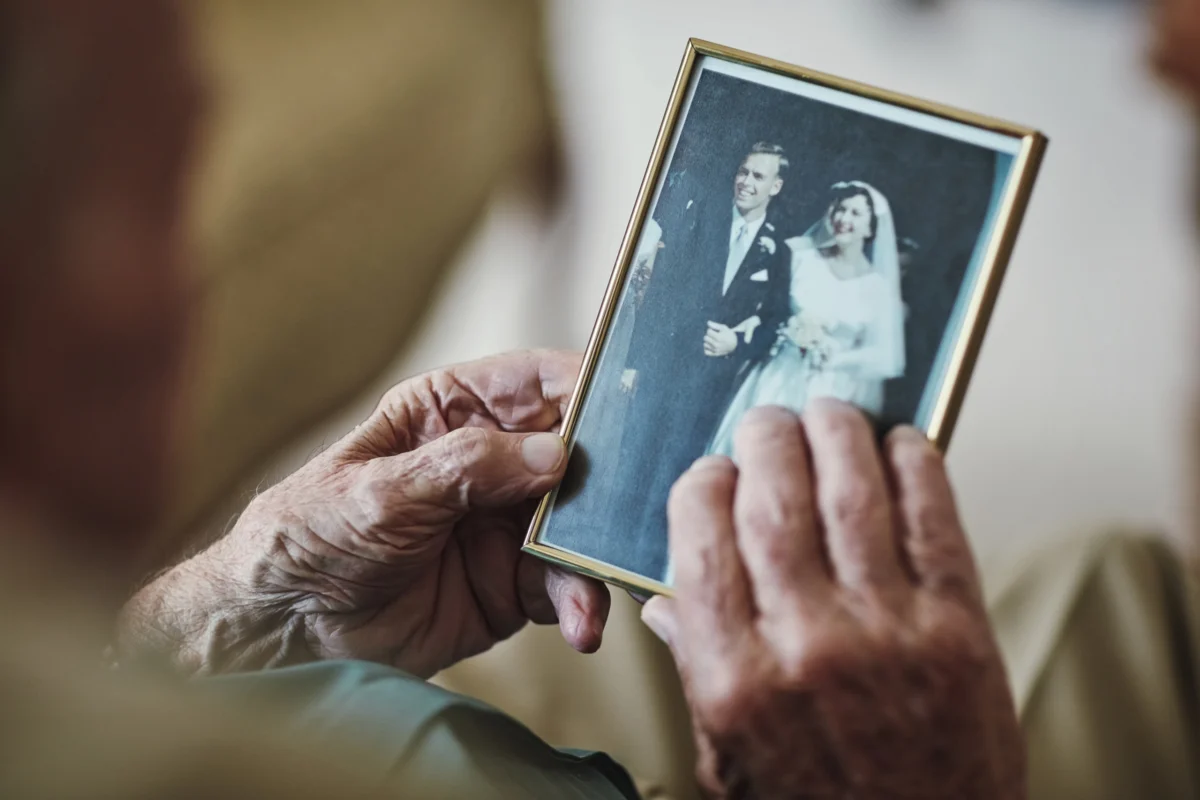
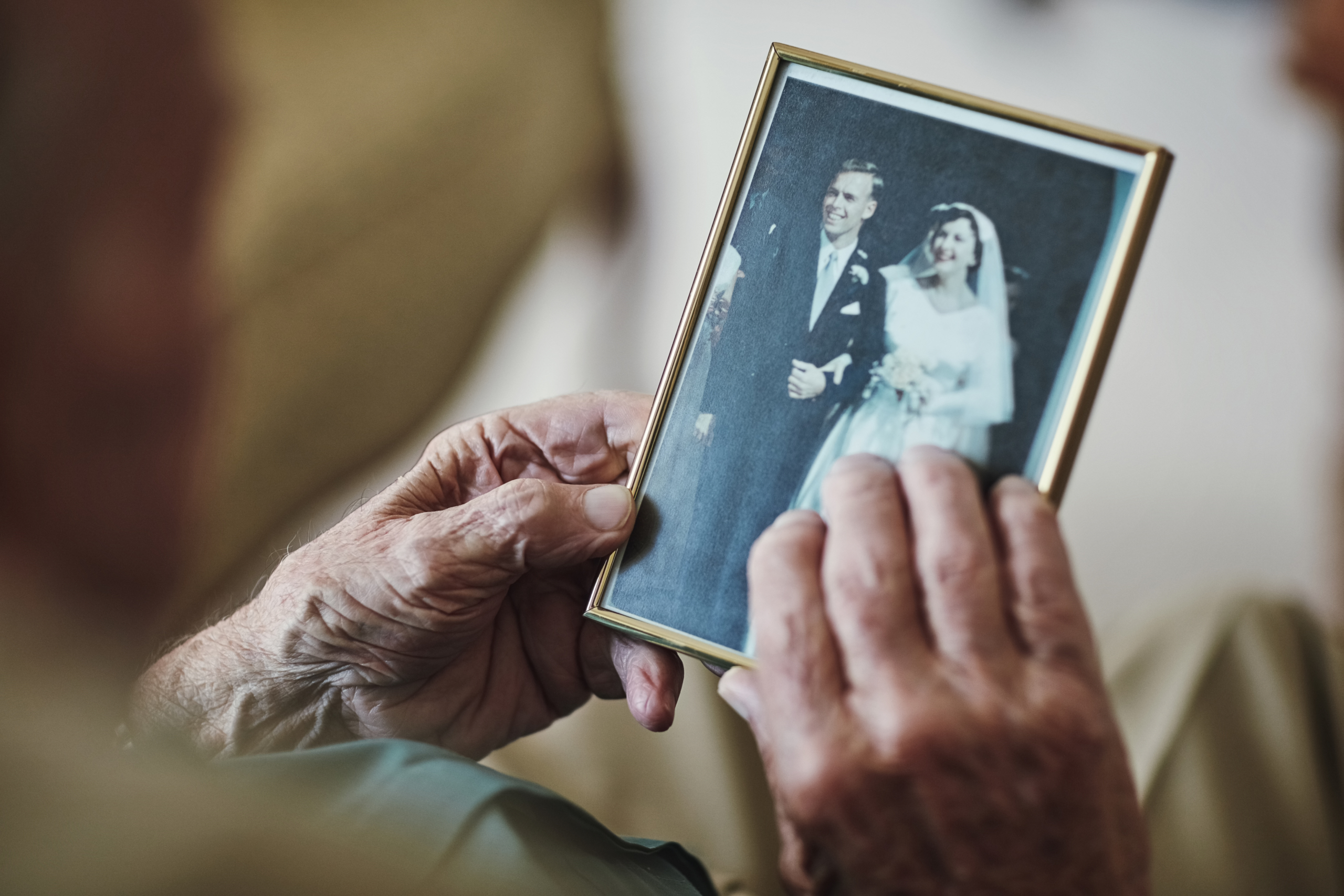
- The Bereavement and Loss Phase (Ages 80+): This period is frequently marked by the loss of spouses, siblings, and lifelong friends. The social safety net begins to fray, and the cognitive and physical effort required to form new relationships becomes significantly higher.
- The Technological Divide: Over the last two decades, the migration of community interactions to digital platforms has created a new barrier. Seniors who are not digitally literate often find themselves excluded from community planning, family group chats, and local information exchanges, deepening the sense of being "left behind."
Supporting Data: The Health Implications
The medical community has moved away from viewing loneliness as a mere emotional hardship. Extensive research has linked social isolation to a host of physical and mental health pathologies. The biological impact of loneliness is comparable to smoking 15 cigarettes a day, according to some studies by the U.S. Surgeon General’s office.
The Physical Toll
Social isolation is significantly associated with an increased risk for:
- Cardiovascular Disease: Loneliness triggers chronic stress responses, leading to inflammation and increased blood pressure, which elevates the risk of heart disease and stroke by nearly 30%.
- Cognitive Decline: Studies have indicated a 50% increase in the risk of developing dementia for those who report feeling consistently lonely.
- Immune System Suppression: The body’s ability to fight off infections is weakened when an individual is under the chronic stress of isolation, leading to higher rates of morbidity from common illnesses.
The Psychological Impact
The mental health outcomes are equally concerning:
- Depression and Anxiety: Loneliness is a primary driver of geriatric depression, which is often misdiagnosed as "normal aging."
- Sleep Disturbance: The lack of social security creates a hyper-vigilant brain, leading to fragmented sleep patterns that exacerbate health issues.
- Cognitive Impairment: Without the "social workout" of conversation and debate, cognitive faculties can decline more rapidly.
Contributing Factors: Why It Happens
Social isolation is rarely the result of a single event. It is usually the accumulation of "micro-barriers" that prevent seniors from engaging with the world.
Mobility and Transportation
For many older adults, independence is tied to mobility. When a senior loses their driver’s license or develops a gait disorder that makes walking difficult, their "social radius" shrinks to their front door. The inability to navigate public transportation or reach community centers leads to a withdrawal from the public square.
Communication Barriers
Sensory decline, particularly hearing loss, is a major, often overlooked contributor to isolation. When an individual struggles to follow conversations in a crowded room, they often choose to stop attending social events altogether to avoid the embarrassment of misunderstanding others. This choice is a precursor to total social withdrawal.
Cognitive and Emotional Barriers
The loss of confidence is a powerful inhibitor. Many seniors fear being a "burden" to their families or feel that they no longer have common ground with younger generations. This internal narrative—that they no longer have value to contribute—is a profound barrier to seeking connection.
Official Responses and Strategic Interventions
The federal government and various advocacy groups are shifting their approach from individual solutions to systemic ones. The NIA, in partnership with other health organizations, has rolled out comprehensive toolkits designed to bridge the gap between isolation and community.
The Role of the Eldercare Locator
The Eldercare Locator, a public service of the U.S. Administration on Aging, serves as a bridge for families. It provides an extensive directory of services ranging from home-delivered meals and transportation assistance to social programming at community senior centers. By centralizing these resources, the government aims to reduce the "bureaucratic friction" that often prevents seniors from finding help.
Community-Based Strategies
Local governments are increasingly prioritizing "Age-Friendly" city initiatives. These programs focus on:
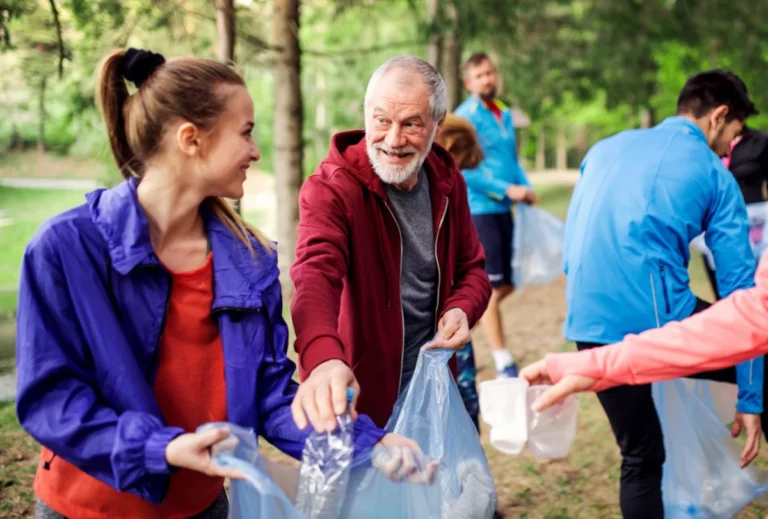
- Intergenerational Programming: Schools and community colleges are integrating seniors into mentorship programs, providing them with a renewed sense of purpose.
- Technology Training: Providing seniors with the tools to video chat with family or participate in online interest groups has proven to be a vital lifeline.
- "Social Prescribing": Some healthcare providers have begun "prescribing" social activities—such as volunteerism or exercise classes—to patients who show early signs of loneliness, treating the condition with the same clinical seriousness as hypertension.
Implications: Moving Forward
The implications of an aging population that is increasingly lonely are profound. We are looking at a future where the strain on healthcare systems will grow exponentially if we do not address the root causes of isolation.
The solution requires a cultural shift. We must move away from the stigmatization of aging and toward an inclusive model where the elderly are integrated into the daily lives of our neighborhoods. It requires families to take a more active role in the social wellness of their elders, recognizing that a phone call or a visit is not just a social gesture, but a health intervention.
As Katie Riley, Vice President of Communications at the Alliance, suggests, resources are available, but they require proactive engagement. Whether it is utilizing the Eldercare Locator or leveraging NIA toolkits, the first step is recognizing that loneliness is not an inevitable part of aging—it is a condition that can be managed and often reversed.
Conclusion: A Call to Action
This May, as we reflect on the contributions of older Americans, let us commit to ensuring that no senior is left to face the silence alone. By identifying the early signs of isolation, advocating for better mobility and communication support, and fostering intergenerational bonds, we can build a society that values the wisdom of its elders while ensuring they remain active, connected participants in the human story.
The health of our seniors is a barometer for the health of our society. It is time we prioritize the social connection that keeps us all thriving, regardless of age.